cross-browser-testing
(6)
BrowserStack rents you the rest of the internet.
Your code works on your laptop. BrowserStack asks the more expensive question: will it work on everybody else’s? A Mumbai-born business turned that awkward gap into a global testing platform.

Ritesh Arora and the website that refused to be finished
A two-day website exposed a problem that would occupy Ritesh Arora for years. With IIT Bombay classmate Nakul Aggarwal, he turned the chore of browser testing into BrowserStack - and eventually brought part of that success back to their old hostel.

Sauce Labs and the Art of Renting Time
A test can click a button. A testing company must make that click mean something across browsers, phones, and release deadlines. Sauce Labs built its business in the gap.
The Test Lab Learned to Write Its Own Tests
LambdaTest became TestMu AI when a fast testing grid stopped being the whole answer. Its bet: let agents draft and diagnose tests, then run them on the browsers and phones developers already need.
Autify
Autify is an AI-powered software testing platform that lets engineering and QA teams create, run, and maintain automated tests without heavy scripting. Founded in 2016 by Ryo Chikazawa and Sam Yamashita, the company pairs no-code recording with autonomous AI agents that generate test cases from requirements, write test code, and self-heal tests when the underlying app changes. With offices in San Francisco and Tokyo, Autify serves web and mobile teams at companies like DeNA, NEC, Yahoo, and ZOZO, and has raised roughly $29-32M across seed, Series A, and a 2024 Series B.
Chromatic
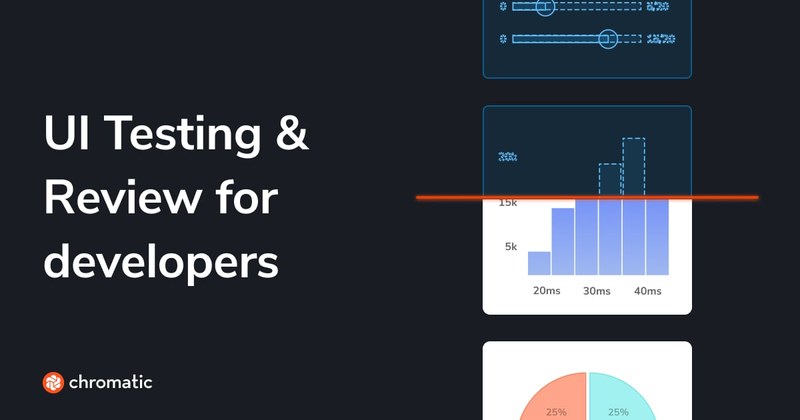
Chromatic is a cloud platform for frontend UI testing and review, built by the team behind the open-source tool Storybook. It runs visual, interaction, and accessibility tests across real browsers to catch UI regressions before they ship, then layers on a team review workflow so designers, PMs, and engineers can sign off on changes. Used by teams at GitHub, Adobe, the BBC, Square, and Monday.com, Chromatic turns the messy, manual job of UI QA into an automated step in the CI pipeline.