critical-thinking
(6)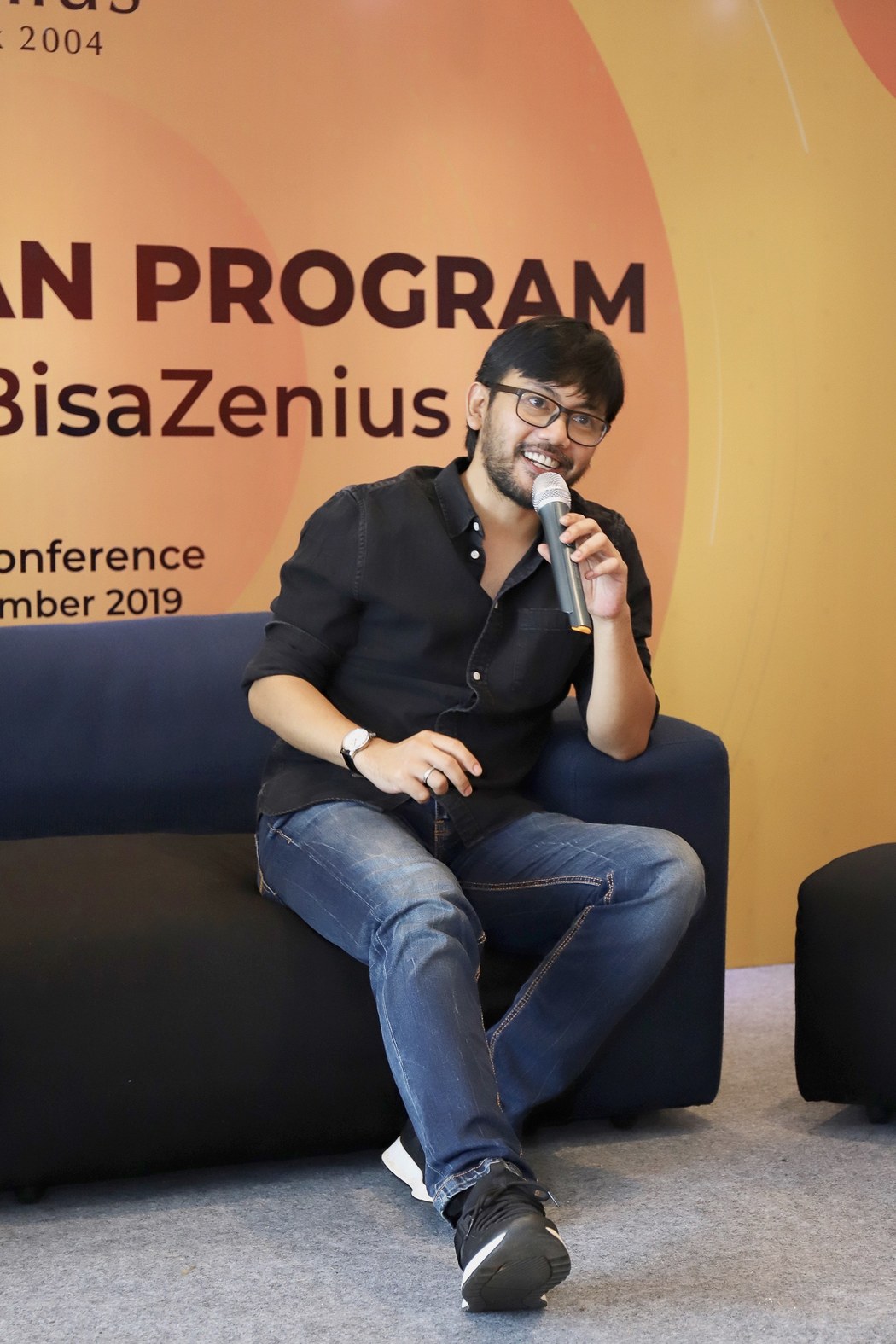
Sabda PS and the trouble with knowing the answer
The Zenius co-founder built a teaching business around a stubborn question: what if passing the test leaves you unable to think? From classroom fees and CDs to an operational pause and a return, his work keeps coming back to the foundations.
The Strategy Skills Podcast: Hear the thinking behind the slides
FIRMSconsulting turns strategy work into something you can listen to. The useful part is hearing how a problem gets diagnosed before anyone starts polishing the answer.

IBM’s AI Warning: The Judgment Gap Is Growing
Workers are learning to operate AI faster than companies are redesigning the work around it. IBM’s new global study finds a widening gap between the judgment leaders demand and the support employees receive.

Zenius
Zenius was Indonesia's pioneering education-technology company, founded in 2004 as a Jakarta tutoring center and reborn in 2010 as one of the country's first video-based learning platforms. Built around founder Sabda PS's belief that education should teach fundamental skills and critical thinking rather than rote memorization, Zenius grew into a digital learning ecosystem with a library of more than 100,000 video lessons, a large UTBK question bank, AI-powered tools like ZenCore and ZenBot, and live classes. After acquiring legacy tutoring brand Primagama in 2022 to push into hybrid learning, the company struggled with the post-pandemic funding downturn and suspended operations in January 2024 after roughly 20 years.
Po-Shen Loh
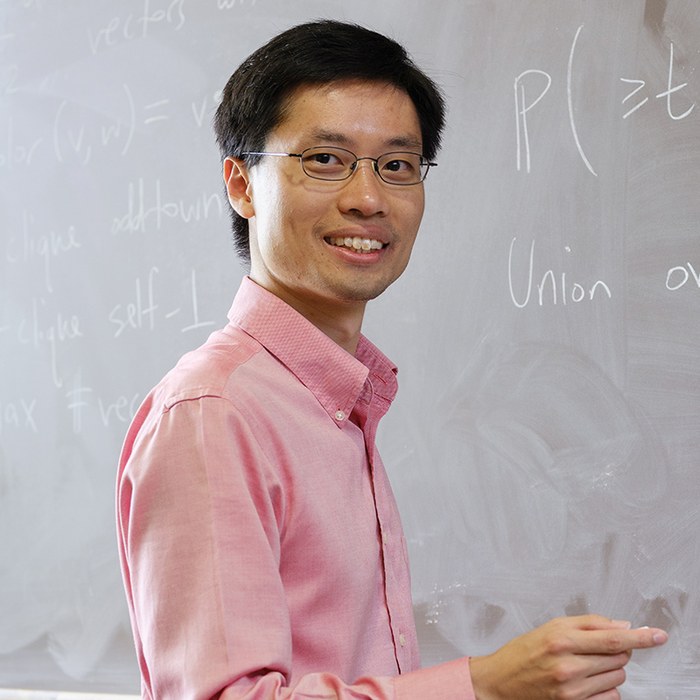
Carnegie Mellon math professor and former U.S. Math Olympiad coach Po-Shen Loh argues that as AI surpasses humans at logic and language, the most important skill young people can develop is autonomous thinking. He warns that using AI to do school writing is 'like driving a car one mile for exercise,' explains why AI now solves original Olympiad problems he couldn't, and lays out a win-win-win education ecosystem that pairs middle schoolers, high-school math talent, and Broadway-caliber acting coaches to teach kids how to generate their own ideas, empathize, and think critically in an age of biased information.

Polygence
Polygence is an online research mentorship platform that pairs ambitious high school students one-on-one with PhD-level mentors from institutions like Stanford, MIT, Harvard and Oxford to design and complete an independent research project over roughly 10 sessions. Founded in 2019 by two Stanford PhDs, Janos Perczel and Jin Chow, it turns curiosity into tangible outcomes - published papers, apps, novels, podcasts - and gives students a distinctive credential for college applications. The company now spans a network of 2,000+ mentors across 40+ fields and runs a biannual Symposium of Rising Scholars where students present their work to a global audience.