cre-data
(5)
The $1 Trillion Marketplace Trying to Make Commercial Real Estate Move Like Software
Crexi began with a broker's frustration at fax-era dealmaking. A decade later, it is pairing a national property marketplace with data, auctions and AI tools designed to turn days of commercial real estate preparation into minutes.
CompStak
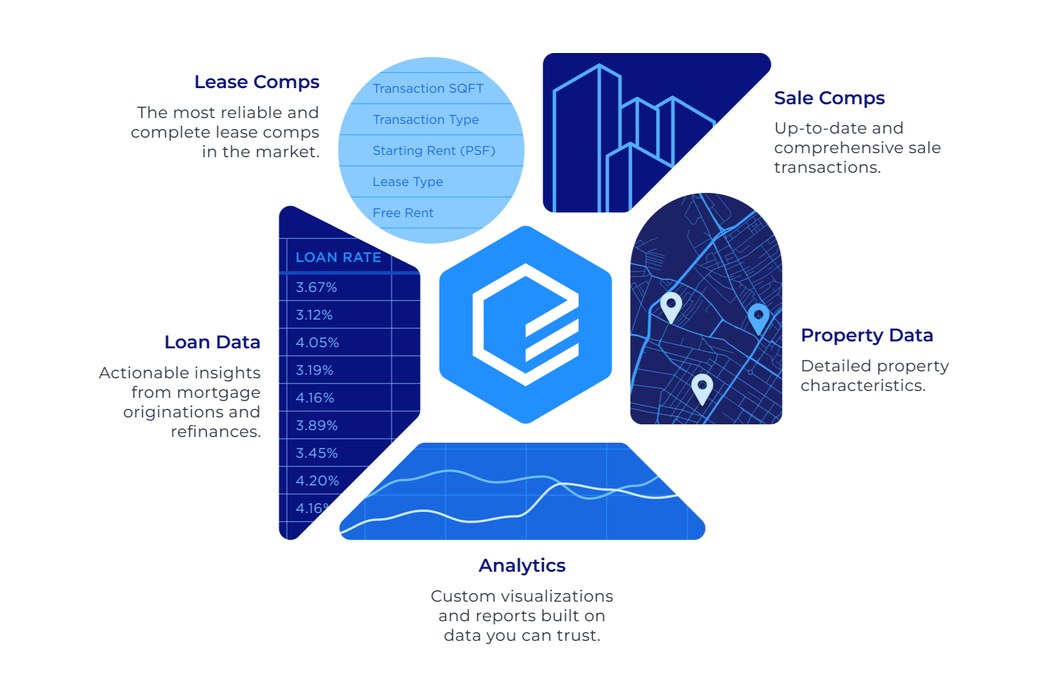
CompStak is a New York-based commercial real estate data and analytics company that runs a crowdsourced marketplace where brokers, appraisers and researchers trade verified lease and sale comps for credits. Founded in 2012 by former broker Michael Mandel and engineer Vadim Belobrovka, it turns hard-to-find transaction details - starting rents, net effective rents, cap rates, net operating income - into structured, analyst-reviewed data used by many of the largest CRE investors, lenders and banks in the U.S.

Michael Mandel
Michael Mandel is the co-founder and CEO of CompStak, a New York-based commercial real estate data platform that crowdsources lease and sale comparables from brokers, appraisers, and researchers, then sells verified analytics to landlords, lenders, and investors. A former Grubb & Ellis broker who got tired of chaotic Monday-morning comp-swaps, he launched CompStak in 2012 with Vadim Belobrovka and has since raised roughly $89M and built a national platform used across every major U.S. market.

Prophia
Prophia is a San Francisco-based AI platform that turns the messy stack of commercial real estate lease documents into structured, searchable, decision-ready data. Founded in 2018 by Cameron Steele and Chris Hsu, the company combines machine learning with human quality control to deliver lease abstracts, rent rolls, and portfolio insights for CRE owners and asset managers.

Cameron Steele
Cameron Steele is the Co-Founder and CEO of Prophia, an AI-powered data intelligence platform for commercial real estate that manages over 330 million square feet of assets. With a 30-year career spanning Oracle, Royal Bank of Canada, private equity, buuteeq (sold to Booking Holdings for $135M), OpenTable, and Booking.com, Steele brings rare cross-disciplinary depth to PropTech. He co-founded Prophia in 2018 to fix what he identified as a fundamental data crisis in one of the world's largest asset classes - an industry where 53% of rent rolls contain material financial errors and leading firms were still managing contractual data with pre-internet manual services.