connected-fitness
(7)
Myzone Built a Gym Community. Now You Can Bring Your Own Watch.
Myzone turned heartbeats into points and gym floors into shared scoreboards. Its next bet is that the community matters more than whose sensor you wear.

The Stanford Dorm Algorithm That Turned a Spin Bike Into a Rhythm Game
freebeat took the music algorithm two Stanford students built in a dorm, wired it into a $599 bike, and bet that people will exercise longer if the workout scores them like a video game. So far the bet is holding.

The Fitness Company That Runs Your Treadmill For You
iFIT turned a decades-old treadmill maker into a subscription platform where a trainer in Patagonia can change your machine's incline from 3,000 miles away. Here is how the Logan, Utah company built connected fitness on its own terms.

Johnson Health Tech. Co., Ltd.
A Taichung foundry became a global fitness portfolio by controlling nearly every step between raw steel and a finished workout. Fifty years on, Johnson Health Tech is betting that factories, stores and software belong in the same routine.
Zwift
Zwift made the stationary trainer social, competitive and oddly habit-forming. Now, with its own hardware and ROUVY under the same roof, the company is trying to make indoor cycling easier to enter without sanding away the game that built its community.

Peloton Interactive
Peloton built a camera-ready fitness studio around a stationary bike. Now its higher-margin subscriptions, AI coaching and move into commercial gyms reveal the more durable idea underneath: fitness that feels scheduled, social and personal wherever you train.
Tempo
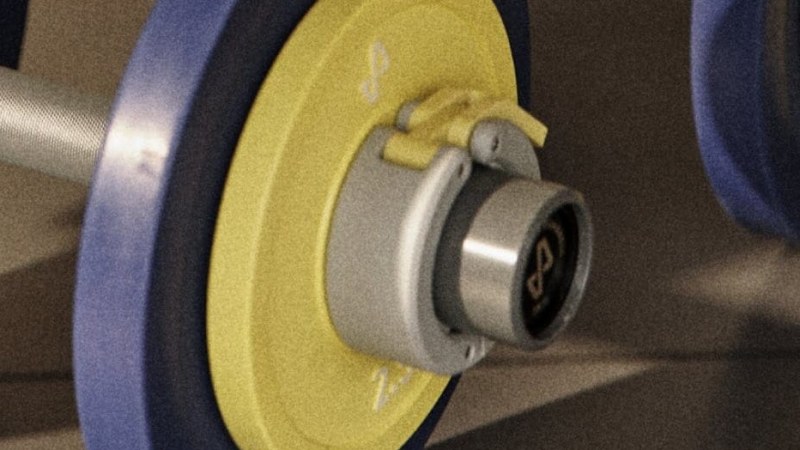
Tempo is a San Francisco-based connected fitness company building an AI-powered home gym. Its flagship Tempo Studio uses 3D infrared sensors and computer vision to track form in real time, coach lifters through strength workouts, and adapt programs to each user. Founded in 2015 by Moawia Eldeeb and Josh Augustin, the company has raised over $316M, including a $220M Series C led by SoftBank in 2021.