chicago-biotech
(5)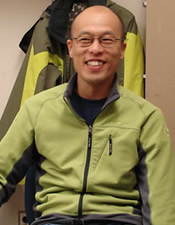
Nobu Ueki Is Looking for Cancer's Off Switch
The Chicago scientist built a career around a stubborn question: can a drug wait until a cancer cell gives it permission to act? His answer spans two molecular locks, one active US patent, and a startup betting on the peculiar weakness of cells in transit.

PRUNUS Therapeutics Is Betting the Company on the Moment Cancer Lets Go
Most cancer drugs chase a mutation, receptor or pathway. This tiny Chicago biotech is chasing a moment - when a metastatic cell leaves home and reveals a weakness.

Syntax Bio
Syntax Bio is a Chicago synthetic biology company building Cellgorithm, a CRISPR-based platform that programs stem cells to differentiate on command. Instead of coaxing stem cells into specialized cell types through months of manual, growth-factor-heavy protocols, Cellgorithm encodes the sequence of gene activations that mimic human development into a single DNA program, collapsing timelines from months to weeks. Spun out of the University of Illinois Chicago and formerly known as Cellgorithmics, the company has raised more than $25 million and is advancing a pancreatic beta cell therapy for type 1 diabetes while partnering with biopharma to program cells at scale.
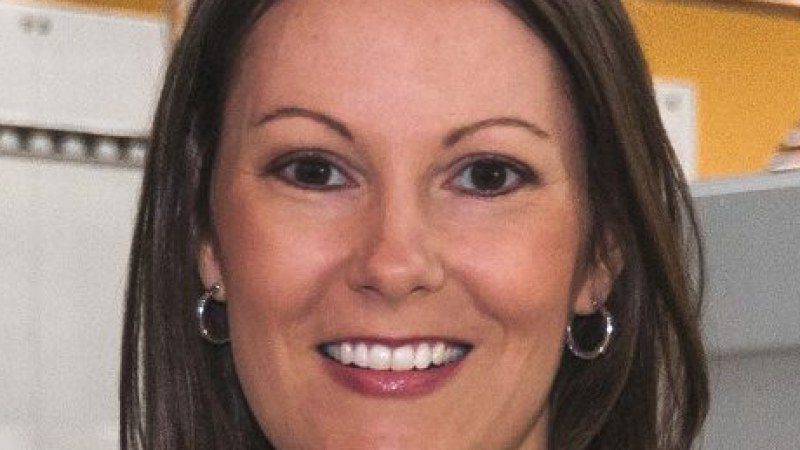
Caralynn Nowinski Collens
Caralynn Nowinski Collens is a physician-turned-entrepreneur and the co-founder and CEO of Dimension Bio (formerly Dimension Inx), a Chicago biotechnology company building regenerative therapeutics that give the body a blueprint to heal itself. Its BioNidum platform fuses materials science, 3D-printing, and digital manufacturing to turn cells into implantable, tissue-like therapies. Before biotech, she spent eight years co-founding and running UI LABS, the innovation collaborative that launched MxD, the U.S. national hub for digital manufacturing. She trained as an M.D./MBA at the University of Illinois at Chicago and has been recognized on Crain's Forty Under Forty, Tech 50, and Notable Women in STEM lists.

Dimension Bio
Dimension Bio (formerly Dimension Inx) is a Chicago-based regenerative therapeutics company that turns living cells into implantable, tissue-like therapies. Its BioNidum platform fuses materials science, 3D printing, and digital manufacturing to build three-dimensional microenvironments that help transplanted cells survive, vascularize, and function in the body. A Northwestern University spinout, the company already brought the first FDA-cleared 3D-printed regenerative bone graft (CMFlex) to patients and is now aiming its lead program at acute liver failure - building an engineered, mini-liver-like therapy to stabilize patients and give their own organs a chance to recover.