cellular-reprogramming
(4)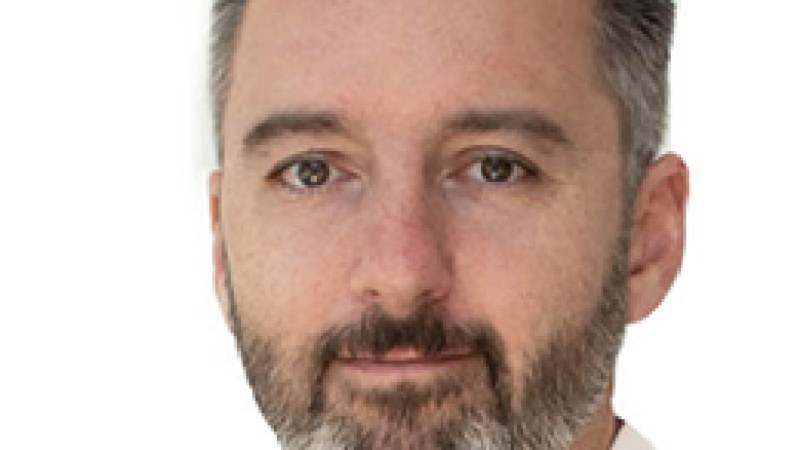
Alex Aravanis
Alex Aravanis is the CEO and co-founder of Moonwalk Biosciences, a precision epigenetics company he launched in 2024 with $57 million and Broad Institute scientist Feng Zhang. An engineer-turned-physician with degrees from UC Berkeley and Stanford, he co-founded the cancer early-detection company GRAIL, later returned to Illumina as Chief Technology Officer, and now wants to rewrite the 'software of the genome' without cutting a single strand of DNA.
Moonwalk Biosciences
Moonwalk Biosciences is a San Francisco Bay Area biotech building precision epigenetic medicines. Co-founded by former Illumina CTO Alex Aravanis and CRISPR pioneer Feng Zhang, the company pairs whole-genome, single-cell epigenome mapping with AI-guided 'read-and-write' epigenetic editing tools that reprogram cells to a healthy state without cutting or altering the underlying DNA. Launched out of stealth in January 2024 with $57 million in seed and Series A funding, Moonwalk aims to file its first IND within a few years.
Retro Biosciences
Retro Biosciences is a clinical-stage longevity biotech in Redwood City, California with a single, unsubtle goal: add ten healthy years to the human lifespan. Founded in 2018 and launched publicly in 2021 with $180 million from OpenAI CEO Sam Altman, the company attacks aging at the cellular level across three platforms - autophagy enhancement, cellular reprogramming, and plasma-inspired therapeutics. Its lead drug, RTR242, an autophagy-restoring small molecule aimed at Alzheimer's disease, entered a first-in-human Phase 1 trial in 2025. A 2026 raise valued Retro at $1.8 billion.
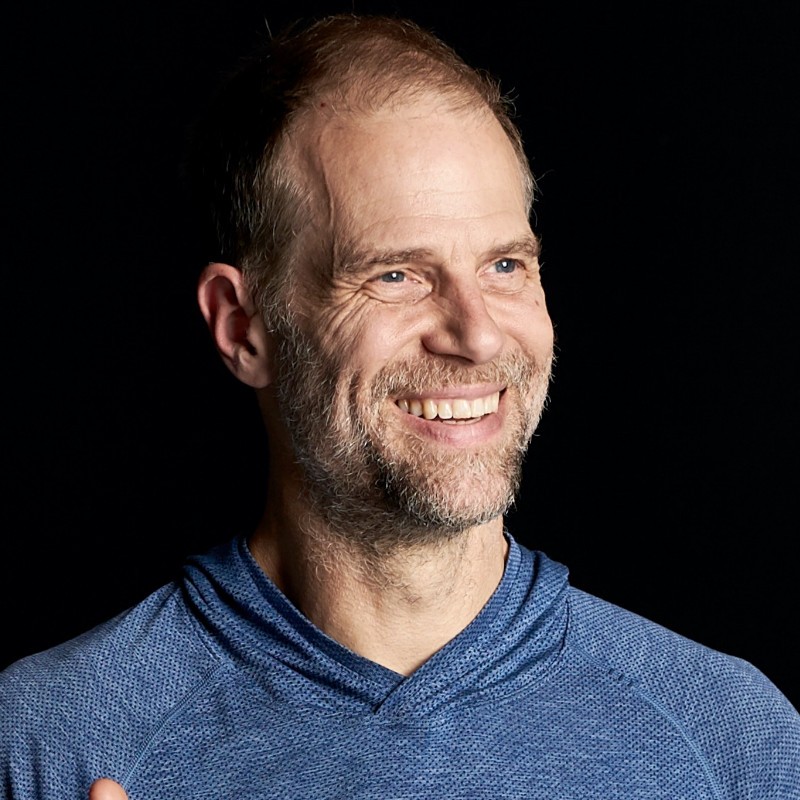
Joe Betts-LaCroix
Joe Betts-LaCroix is the co-founder and CEO of Retro Biosciences, a San Francisco longevity biotech on a mission to add 10 healthy years to the human lifespan. A scientist-turned-serial-entrepreneur who once held a Guinness World Record for building the world's smallest Windows PC, he now leads a company backed by OpenAI's Sam Altman, valued at $1.8 billion in 2026, that has run an Alzheimer's clinical trial and co-developed a longevity-focused AI model with OpenAI. He came to biology by an unlikely route: a D-average high schooler who tinkered in shared houses, then earned straight A's, transferred to Harvard, and did research at MIT and Caltech before co-discovering principles of electron transfer in proteins.