cell-and-gene-therapy
(9)
The Firm That Bets on the Toolmakers, Not the Cure
For nearly four decades, Ampersand Capital Partners has skipped the lottery of drug discovery and quietly backed the companies that make the drug discovery possible. In May 2026 it closed a $1.5 billion fund in a single day.
Form Bio
Form Bio is an Austin-based computational life sciences company that builds AI-driven software to speed up the design, characterization, and manufacturing of genetic medicines, especially adeno-associated virus (AAV) cell and gene therapies. Spun out of Colossal Biosciences in 2022 with a $30M Series A, its platform lets scientists model billions of therapeutic vector designs in silico to improve efficacy, safety, and manufacturability before ever entering the lab, targeting the manufacturing bottleneck that drives the majority of FDA rejections in the field.
Made Scientific
Made Scientific is a Princeton, New Jersey-based contract development and manufacturing organization (CDMO) focused exclusively on cell therapies. Formerly BioCentriq, it was rebranded in March 2025 and is backed by South Korea's GC Corporation. The company runs a 60,000 sq. ft. GMP facility with five ISO 7 / Grade B cleanrooms, offering process and analytical development, GMP manufacturing of autologous and allogeneic products, aseptic fill and finish, QC release testing, regulatory consulting, and workforce training, taking cell therapy programs from preclinical development through commercial supply.
Joel Schneider
Joel Schneider is the founder, president and CEO of Carbon Biosciences, a Waltham, Massachusetts biotech building gene therapies from parvovirus-derived vectors rather than the more common adeno-associated viruses. He launched the company out of stealth in 2022 with a $38 million Series A led by Agent Capital, pairing his operating background with the science of gene therapy pioneer Robert Kotin. Trained as a stem cell biologist with a Rutgers Ph.D. and a Harvard postdoc, Schneider was the first employee at Solid Biosciences before founding Carbon to push vectors that carry larger genetic payloads, target specific tissues such as the lung, and sidestep the pre-existing immunity that limits current gene therapies. Carbon's lead program targets cystic fibrosis.
SmartLabs
SmartLabs is a Boston-based life-sciences company that sells laboratory infrastructure the way cloud providers sell servers: as-a-service. Its Managed Research Centers give biotech and pharma teams private, enterprise-grade R&D and manufacturing space - fully built, operated, and staffed - without the multi-year leases and capital buildouts that normally slow science down. Companies can move into a running lab in weeks, keep full control of their intellectual property, and scale space up or down as programs change.
I Peace, Inc.
I Peace, Inc. is a Palo Alto- and Kyoto-based biotech that mass-manufactures clinical-grade induced pluripotent stem cells (iPSCs) using a proprietary automated, closed-cassette platform. Founded in 2015 by Koji Tanabe - a co-author of the world's first human iPSC paper from Shinya Yamanaka's Nobel Prize-winning lab - the company operates as a CDMO supplying GMP-grade iPSCs to pharmaceutical companies, biotechs, and research institutions, and offers personal iPSC banking and longevity services that aim to make cell therapy affordable and accessible.

Asimov
Asimov is a Boston-based synthetic biology company building computer-aided design (CAD) tools for engineering living cells. Founded in 2017 by bioengineers from MIT and Boston University, it combines mammalian synthetic biology, software, and machine learning through its Kernel platform and 'Edge' production systems to help drug makers design and manufacture cell, gene, and RNA therapies more reliably. The company has raised over $200M, including a $175M Series B in January 2023 led by CPP Investments.
Stephen Rubino
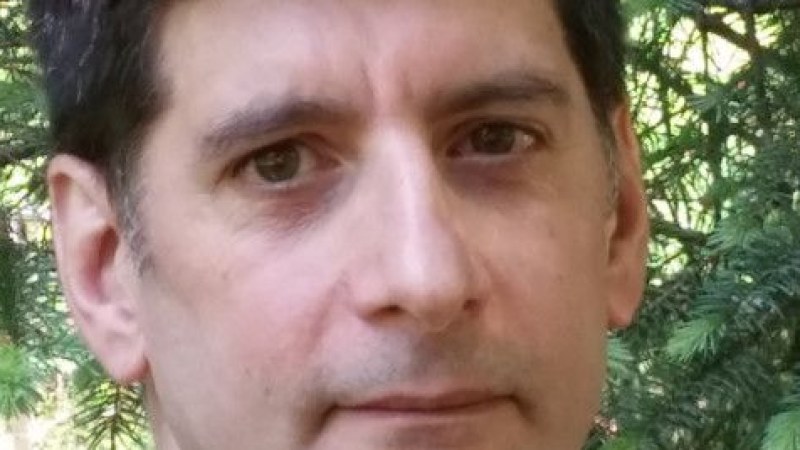
Stephen Rubino is the CEO of Sporos Bioventures, a Houston-based biotech that runs cancer drug development as a portfolio rather than a single bet. A Cornell-trained virologist with a Baruch MBA, he spent three decades in business development and commercial roles at Schering-Plough, Novartis, Celyad Oncology and Fortress Biotech before taking the helm at Sporos in 2022, where the lead program is SPR1, a next-generation TEAD inhibitor aimed at hard-to-drug cancers.
Elaine Cheung
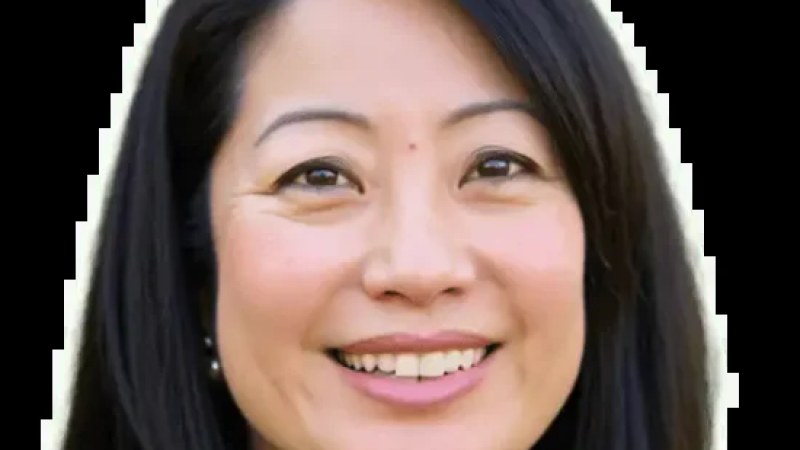
Elaine Cheung is Chief Business Officer at Moonwalk Biosciences, a South San Francisco biotech backed by $57 million in funding and co-founded by CRISPR pioneer Feng Zhang and former Illumina CTO Alex Aravanis. With 20+ years navigating the inflection points of genomic medicine - from spinning GRAIL out of Illumina, helping architect its $900M+ Series B, and steering Lyell Immunopharma through its IPO - Cheung brings a rare combination of scientific literacy and deal-making precision. At Moonwalk, she is helping build the business infrastructure for a company that has pivoted from epigenetic editing to siRNA-based therapeutics targeting adipose biology and obesity.