cancer-research
(8)
When Events Vanished, Princess Margaret's $180.8 Million Fundraising Machine Kept Moving
The Toronto foundation learned the hard way that a beloved event can disappear overnight. Its answer was a portfolio of rides, lotteries, major gifts and donor tools that produced CA$180.8 million net in fiscal 2026 - a practical blueprint for charities that need both emotion and financial durability.

The Biotech Betting That Cancer Drugs Fail Because Nobody Looked at the Proteins
80% of cancer compounds that reach clinical trials fail. Yatiri Bio thinks the problem is that drug developers have been reading the wrong molecules - and it built a proteomics platform to prove it.
Leucid Bio
Leucid Bio is a clinical-stage London biotech developing next-generation CAR-T cell therapies for refractory solid tumors. Spun out of King's College London in 2014 to commercialize two decades of research by Dr John Maher, the company's proprietary Lateral CAR platform redesigns the CAR receptor so its signalling domains sit laterally alongside the cell membrane - mimicking natural immune receptors to boost potency while reducing toxicity. Its lead candidate, LEU011, is an autologous NKG2D-targeting CAR-T therapy now in the Phase I/IIa AERIAL trial for refractory solid tumors.

Pathos AI
Pathos AI is an AI-driven biotech company building what it describes as one of the largest multimodal foundation models in oncology. By combining millions of clinical, molecular, and imaging records with proprietary AI, Pathos aims to identify the right patients for a given therapy, design smarter adaptive clinical trials, and de-risk cancer drug development. Founded in 2020 by Eric Lefkofsky and Ryan Fukushima and led since 2025 by CEO Iker Huerga, the company raised a $365 million Series D that valued it at roughly $1.6 billion.
Stellaromics Inc.
Stellaromics is a Boston-based spatial biology company building tools that map gene expression in three dimensions inside intact tissue. Spun out of the labs of Karl Deisseroth (Stanford) and Xiao Wang (MIT/Broad Institute), the company commercializes its Pyxa platform, which uses proprietary STARmap and RIBOmap chemistry to deliver multiplexed 3D spatial transcriptomics and translatomics in tissue sections up to 100 microns thick at subcellular resolution. It targets researchers in neuroscience, oncology and immunology who need to preserve native tissue architecture rather than rely on flat 2D thin-section methods.
Sus Clinicals, Inc.
Sus Clinicals, Inc. is a Cincinnati- and Chicago-based biotechnology company commercializing the Oncopig Cancer Model - a genetically engineered pig that develops human-like tumors on demand. Billed as the only FDA-cleared large animal cancer platform, the Oncopig carries KRAS and TP53 mutations found in more than half of human cancers, giving drug, device, and diagnostic developers a predictive testing ground that sits between the mouse and the human clinical trial. Alongside live animal supply, the company runs histology services and a tumor-tissue biorepository, and partners with CROs across the US and Europe.
HistoWiz
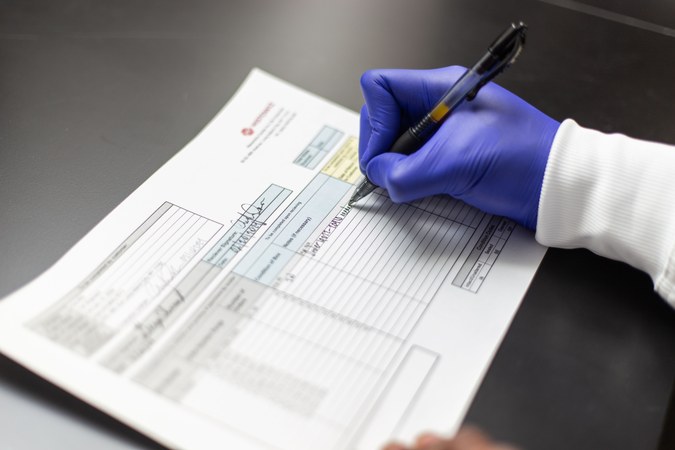
HistoWiz is a New York-based histopathology company that turns tissue specimens into publication-quality digital slides in as little as three days. By pairing an automated, robot-driven lab with PathologyMap, a cloud platform hosting one of the world's largest preclinical pathology databases, it gives academic and biotech researchers fast, standardized histology plus AI analysis and access to board-certified pathologists - work that traditionally took weeks of slow, manual lab effort.
xCures Inc.
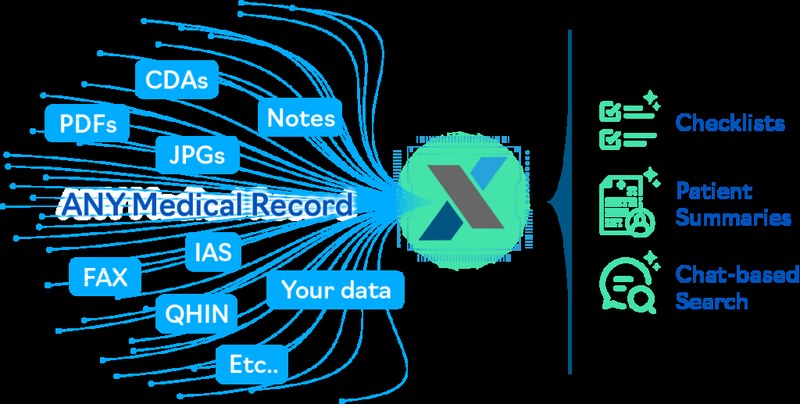
xCures is an AI-powered health-data platform that automatically retrieves medical records from any care site in the United States, then structures, normalizes, and validates that messy, unstructured data into searchable, source-traceable clinical insights. Born in oncology, it generates regulatory-grade real-world evidence, AI-built clinical checklists, and natural-language patient summaries that help researchers, biopharma, advocacy groups, and clinicians understand each patient's full medical journey - and run continuously learning 'virtual trials' across all patients, all treatments, all the time.