cancer-immunotherapy
(32)
Caribou Cut a Third of Its Team to Bet the Company on Two Cancer Drugs - Here’s What Focus Costs in Biotech
The CRISPR pioneer traded a sprawling platform story for two off-the-shelf cancer therapies, a smaller herd, and a very specific test: can ready-made CAR-T match custom-built medicine before the cash clock runs out?
Legend Biotech
Legend Biotech turned an experiment from a room the size of a freight elevator into a medicine used to treat more than 10,000 people. Now it must prove that one demanding, personalized therapy can become a platform for the next generation of cancer care.

Arcus Biosciences
Arcus built a biotech around a deceptively practical idea: own the pieces of a drug combination before trying to assemble it. After a major TIGIT setback, its next chapter now rests on a kidney-cancer pill, a pancreatic-cancer trial and a careful expansion into inflammation.

Ankyra Therapeutics
Ankyra Therapeutics is a clinical-stage Boston biotech developing anchored immunotherapy - a platform that physically tethers potent immune-modulating drugs to aluminum hydroxide so they stay concentrated inside a tumor rather than spreading through the body. Its lead candidate, tolododekin alfa (ANK-101), anchors the powerful cytokine IL-12 in the tumor microenvironment, aiming to unlock IL-12's anti-tumor activity while avoiding the systemic toxicity that has historically limited it. Founded in 2019 out of MIT science and led by CEO Howard L. Kaufman, the company is running Phase 1/1b trials in advanced solid tumors, including combinations with immune checkpoint inhibitors.
Sanavia Oncology Inc.
Sanavia Oncology is a New York-based biotech company developing next-generation cancer immunotherapies for patients who don't benefit from existing treatments. Its proprietary platform pairs high-throughput sequencing, single-molecule super-resolution microscopy, 3D protein modeling and artificial intelligence to discover novel, clinically relevant cancer-specific epitopes in drug-resistant tumors, then generates antibodies with atomic-level specificity to those targets. The company is building antibody drug conjugates (ADCs), bispecific T cell engagers (TCEs) and CAR-T therapies - led by its SANA-01 ADC - and is backed by Two Bear Capital.
Teon Therapeutics, Inc.
Teon Therapeutics is a clinical-stage, privately held biopharmaceutical company in Redwood City, California, developing a focused portfolio of orally administered small-molecule drugs that block immunosuppressive, cancer-promoting signaling pathways in the tumor microenvironment. Its GPCR-directed candidates - TT-702, a first-in-class adenosine A2B receptor antagonist, and TT-816, a first-in-class cannabinoid CB2 receptor antagonist - aim to restore anti-tumor immunity for the roughly 88% of solid-tumor patients who do not benefit from existing immunotherapies. The founding team members were primary inventors of Lexiscan, the only FDA-approved selective adenosine therapeutic.
Triumvira Immunologics, Inc.
Triumvira Immunologics is a clinical-stage immuno-oncology company developing engineered T cell therapies built on its proprietary T cell Antigen Coupler (TAC) platform. Unlike CAR-T, the TAC molecule co-opts the natural T cell receptor to recognize and attack cancer cells, aiming for a more physiological immune response with a potentially safer profile. The company advances autologous and allogeneic TAC T cell candidates against solid-tumor antigens such as HER2, Claudin 18.2, GPC3 and GUCY2C.

Eureka Therapeutics, Inc.
Eureka Therapeutics is a clinical-stage biopharmaceutical company in Emeryville, California, developing next-generation T-cell therapies for cancer, with a focus on hard-to-treat solid tumors. Founded in 2006 by Dr. Cheng Liu, the company pairs its E-ALPHA phage-display antibody engine with its ARTEMIS T-cell receptor platform - an alternative to conventional CAR-T designed to keep engineered T cells potent inside immunosuppressive tumors while sharply reducing the inflammatory cytokine release linked to CAR-T toxicity. Its lead program, ECT204, targets GPC3-positive advanced liver cancer and has received FDA RMAT designation.

Aulos Bioscience
Aulos Bioscience is a Larkspur, California, clinical-stage immuno-oncology company using artificial intelligence to design antibody therapeutics that unlock the anti-cancer power of interleukin-2 (IL-2). Its lead candidate, imneskibart (AU-007) - described as the first AI-designed human monoclonal antibody to enter human clinical trials - redirects IL-2 away from immune-suppressing regulatory T cells and toward immune-activating effector T cells and NK cells, aiming to treat solid tumors such as melanoma and non-small cell lung cancer while avoiding the toxicity that has limited earlier IL-2 therapies.

Dispatch Bio
Dispatch Bio is a Philadelphia-based cancer biotech that emerged from stealth in July 2025 with $216 million to pursue a 'universal' immunotherapy for solid tumors. Its first-in-class Flare platform uses an engineered virus to install a synthetic, tumor-specific antigen on cancer cells while remodeling the tumor's immune-suppressive environment, effectively giving CAR T cells a target where none existed. Founded in 2022 out of the Parker Institute for Cancer Immunotherapy and ARCH Venture Partners, the company is led by CEO Sabah Oney and counts CAR T pioneer Carl June among its scientific co-founders.
Glycyx
Glycyx is a San Francisco biopharmaceutical company developing axelopran, an orally administered peripheral mu-opioid receptor antagonist, to counter opioid-induced immunodeficiency in cancer patients. Roughly 45% of immunotherapy patients take opioids for pain, and studies link that use to sharply worse outcomes on checkpoint inhibitors. Axelopran blocks opioid signaling on immune cells - without touching pain relief - to restore T-cell infiltration into tumors and make 'cold' tumors respond to immunotherapy. The company is Phase 2b-ready with an active IND and has drawn NIH SBIR grant support.
KaliVir Immunotherapeutics
KaliVir Immunotherapeutics is a clinical-stage biotech developing next-generation oncolytic viral immunotherapies for cancer. Its proprietary Vaccinia Enhanced Template (VET) platform engineers vaccinia viruses that can be delivered intravenously, replicate selectively in tumors, and express therapeutic payloads that reshape the tumor microenvironment. Founded in 2019 and headquartered in Pittsburgh, the company advances an internal lead candidate, VET3-TGI, alongside partnered programs licensed to Astellas Pharma and Roche.

Lyvgen Biopharma
Lyvgen Biopharma is a Shanghai-based clinical-stage immuno-oncology company founded in 2016 by veteran oncology scientist Dr. Jieyi Wang. It builds agonist antibodies - drugs that switch the immune system on rather than release its brakes - using a proprietary xLinkAb platform designed to concentrate immune activation inside tumors while limiting toxicity elsewhere. Its lead program, the CD137/4-1BB agonist antibody LVGN6051 (exlinkibart), is in Phase Ib/II trials in the US and China, including combinations with Merck's Keytruda, alongside a CD40 agonist (LVGN7409), a PD-1 blocker (LVGN3616), and bispecific candidates. Backed by IDG Capital and others through a Series C, Lyvgen runs R&D in Shanghai, a CMC/manufacturing center in Suzhou, and clinical and business development teams spanning China and the US.
T-knife Therapeutics
T-knife Therapeutics is a clinical-stage biotech engineering T-cell receptor (TCR-T) therapies to treat solid tumors. Spun out of Berlin's Max Delbrück Center in 2015, it built a proprietary humanized-TCR mouse platform (HuTCR) that grows a full human immune repertoire in mice, letting the company harvest fully human TCRs naturally selected for affinity and specificity. Now dual-based in San Francisco and Berlin, T-knife is advancing 'supercharged' TCR-T candidates - including a PRAME-targeted, CRISPR-armored therapy (TK-6302) entering the clinic - against cancers that have long resisted cell therapy.

Flashpoint Therapeutics
Flashpoint Therapeutics is a clinical-stage biotech spun out of Chad Mirkin's nanotechnology lab at Northwestern University, developing 'structural nanomedicines' - drugs whose potency comes not from new molecules but from how existing therapeutic components are arranged at the nanoscale. By co-delivering RNA, DNA, peptide and CRISPR payloads to individual cells with precise stoichiometry and synchronized activation, the company reports it can turn conventionally ineffective drug components into curative therapies, with early data showing dramatically stronger immune activation and tumor killing. Founded by Adam Margolin and backed by a $10M seed round led by Riyadh-based Beta Lab plus a $50M KAIMRC partnership, Flashpoint is advancing its lead immuno-oncology candidate FLASH-001 through the clinic.

Shennon Biotechnologies
Shennon Biotechnologies is a San Francisco biotech turning immune-cell target discovery from a months-long slog into a same-day job. Its proprietary TCELERATOR platform fuses ultra-high-throughput microfluidics with AI to functionally profile millions of single immune cells in hours, pinpointing the rare T and B cells that recognize cancer antigens. Founded in 2021 by physicist-turned-founder Li Sun, the company is building a pipeline of validated targets for solid tumors and autoimmune disease, backed by a $13M seed round led by DCVC.
T-Cypher Bio
T-Cypher Bio is an Oxford, UK biotechnology company building a pipeline of TCR (T cell receptor) therapeutics for solid tumours and immune-mediated diseases. Spun out of Orbit Discovery in 2021 on technology licensed from the University of Oxford, it pairs a high-throughput, functional bead-display platform with immunopeptidomics, AI and bioinformatics to deconvolute vast T cell repertoires, find disease-specific targets, and identify potent, target-specific TCRs.

AvenCell Therapeutics
AvenCell Therapeutics is a clinical-stage cell therapy company building switchable, universal CAR-T treatments that can be turned 'off' and 'on' even after they are inside a patient. By pairing this controllable switch with a CRISPR-engineered, off-the-shelf allogeneic platform, AvenCell aims to widen the narrow safety window of conventional CAR-T while cutting the cost and wait time of manufacturing, targeting hard-to-treat blood cancers like AML, B-cell malignancies and, increasingly, autoimmune disease.

Bonum Therapeutics
Bonum Therapeutics is a Seattle biotechnology company building conditionally active biologics - drugs that switch on only where they are needed and switch off everywhere else. Spun out of Good Therapeutics after Roche's $250M acquisition in 2022, Bonum kept the platform blueprint and its founding team, then raised a $93M Series A to extend the approach. Its patented dual-binding antibody (DBA) technology uses a single domain that binds either an effector cytokine or a marker protein, but only one at a time, creating fully reversible medicines aimed at cancer, autoimmunity, metabolic disease and pain.

Clasp Therapeutics
Clasp Therapeutics is a clinical-stage immuno-oncology company building off-the-shelf, antibody-like T cell engagers that target cancer driver mutations presented on tumor cells via HLA. Spun out of Johns Hopkins and co-founded by cancer-genetics pioneer Bert Vogelstein and immunotherapy leader Drew Pardoll, Clasp uses its proprietary pHLAre platform to redirect a patient's own T cells to kill tumors with what the company calls absolute specificity - hitting mutant peptides found only on cancer cells while sparing healthy tissue. The company launched publicly in March 2024 with a $150 million Series A and dosed its first patient in April 2025.

HanchorBio Inc. 漢康生技股份有限公司
HanchorBio is a clinical-stage biotechnology company building next-generation cancer and autoimmune therapies on its proprietary Fc-Based Designer Biologics (FBDB) platform. Founded in 2020 by Henlius co-founder Scott Liu, the company engineers multi-target Fc fusion proteins designed to reach tumors that resist conventional PD-1/PD-L1 checkpoint drugs. Its lead candidate, HCB101, is an affinity-optimized SIRPalpha-Fc fusion protein targeting the CD47-SIRPalpha 'don't eat me' pathway, engineered to spare red blood cells and avoid the anemia that sank earlier anti-CD47 programs. With operations spanning Taipei, Shanghai, and the San Francisco Bay Area, HanchorBio is advancing a pipeline across solid and hematologic cancers and autoimmune disease.
HebeCell Corp
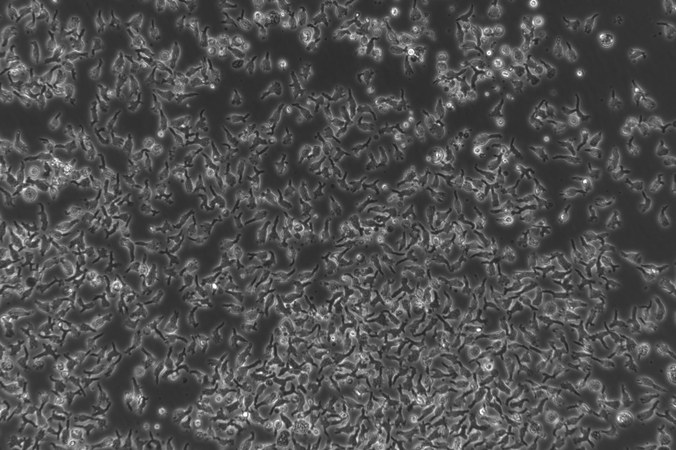
HebeCell Corp is a Natick, Massachusetts biotech developing allogeneic, off-the-shelf cell therapies grown from induced pluripotent stem cells (iPSCs). Its core invention is a suspension-bioreactor platform, ProtoNK, that produces natural killer (NK) cells indefinitely and at scale - a manufacturing approach the company says no other lab can match. Founded in 2016, HebeCell aims to make cancer and degenerative-disease therapies cheaper, safer, and available without a matched donor, under the tagline 'Incurable no more.'
NeoPhore Ltd
NeoPhore is a UK small-molecule immuno-oncology company developing first-in-class inhibitors of the DNA mismatch repair (MMR) pathway. By temporarily switching off MMR, its drugs are designed to make tumours generate fresh neoantigens, become visible to the immune system, and respond to checkpoint immunotherapy - extending the benefit of drugs like Keytruda to patients whose cancers are otherwise immune-cold. A 2017 spin-out of Cambridge's PhoreMost, NeoPhore has raised roughly $47M and counts Bristol Myers Squibb and Memorial Sloan Kettering among its backers and collaborators.
OncoC4, Inc.
OncoC4, Inc. is a Rockville, Maryland clinical-stage biopharmaceutical company building first-in-class and best-in-class antibody therapies for hard-to-treat cancers and Alzheimer's disease. Founded by immunologists Yang Liu and Pan Zheng, the company discovered the innate immune checkpoint CD24-Siglec-10 and is advancing a pipeline led by gotistobart (ONC-392), a next-generation anti-CTLA-4 antibody partnered with BioNTech, alongside SIGLEC10, PD-1/VEGF, and CD24-targeting programs.

Seneca Therapeutics, Inc.
Seneca Therapeutics is a clinical-stage biopharmaceutical company developing targeted oncolytic immunotherapeutics built on SVV-001, a non-pathogenic Seneca Valley Virus that selectively replicates in solid-tumor cells expressing the TEM8/ANTXR1 receptor. Founded by oncolytic-virus pioneer Dr. Paul Hallenbeck, the company pairs SVV-001 with immune modulators and checkpoint inhibitors to spark systemic anti-tumor immunity, and is advancing a Phase I/II trial in high-grade neuroendocrine neoplasms while building a pipeline of armed and neo-antigen viral constructs.

SURGE Therapeutics
SURGE Therapeutics is a Cambridge, Massachusetts clinical-stage biotech building intraoperative immunotherapy: a biodegradable, injectable hydrogel (SURGERx) placed directly into the surgical wound at the moment a tumor is removed. The goal is to turn the body's post-surgical inflammation from immunosuppressive to immunostimulatory and stop residual cancer cells from seeding recurrence and metastasis. Founded on research from Harvard Medical School and led by founder-CEO Michael Goldberg, Ph.D., the company has raised about $58M and is advancing its lead candidate SRG-514 toward a registrational trial in triple-negative breast cancer.

Wugen
Wugen is a clinical-stage biotechnology company in St. Louis engineering off-the-shelf, allogeneic cell therapies for cancer. Spun out of Washington University in St. Louis in 2018, it builds CRISPR-edited CAR-T cells and cytokine-induced memory NK cells designed to be manufactured once from healthy donors and delivered to many patients. Its lead program, WU-CART-007 (soficabtagene geleucel), is a CD7-targeted allogeneic CAR-T in a pivotal trial for relapsed/refractory T-cell leukemia and lymphoma, carrying FDA Breakthrough Therapy, RMAT, Fast Track, Orphan Drug and Rare Pediatric Disease designations.
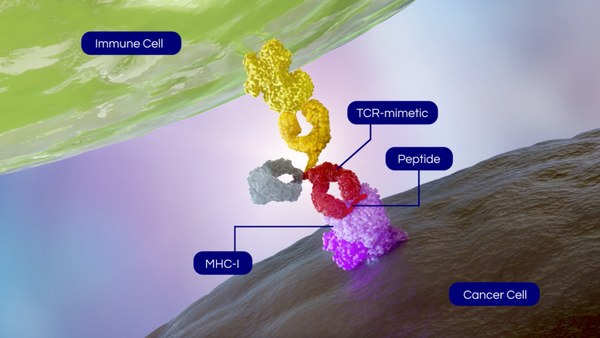
Crossbow Therapeutics, Inc.
Crossbow Therapeutics is a Cambridge, Massachusetts biotechnology company building a new class of cancer immunotherapies. Its T-Bolt platform engineers TCR-mimetic antibodies - T-cell engagers that recognize tiny peptide fragments displayed on a cancer cell's surface (peptide-HLA complexes), opening up intracellular proteins that conventional antibodies cannot reach. The lead program, CBX-250, is a first-in-class T-cell engager in a Phase 1 trial for relapsed or refractory myeloid malignancies. Backed by more than $157M in venture funding, Crossbow aims to expand the universe of targetable cancer antigens.

Simcha Therapeutics
Simcha Therapeutics is a clinical-stage biopharmaceutical company in New Haven, Connecticut that uses directed evolution to engineer next-generation cytokine immunotherapies for cancer. Its lead program, ST-067, is a first-in-class 'decoy-resistant' interleukin-18 (IL-18) variant engineered to evade the natural decoy protein (IL-18BP) that tumors exploit to silence the immune system. Spun out of Aaron Ring's lab at Yale School of Medicine and backed by $40M in Series B financing, Simcha is advancing ST-067 through Phase 1/2 trials in solid tumors and partnering with Janssen to armor CAR T cell therapies.
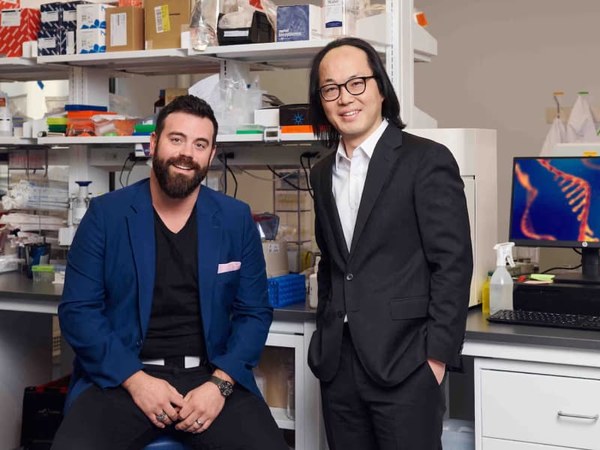
Strand Therapeutics
Strand Therapeutics is a clinical-stage biotech building 'programmable' mRNA medicines - drugs engineered with logic circuits so they switch on the right protein, in the right cell, at the right time. Spun out of MIT in 2017 by synthetic biologists who wrote the first programming language for mRNA, Strand's lead candidate STX-001 is a self-replicating mRNA that makes tumors manufacture their own IL-12, turning cold cancers hot from the inside. Backed by Kinnevik, Regeneron, Amgen and Eli Lilly with over $250M raised.