blood-cancer
(5)
Caribou Cut a Third of Its Team to Bet the Company on Two Cancer Drugs - Here’s What Focus Costs in Biotech
The CRISPR pioneer traded a sprawling platform story for two off-the-shelf cancer therapies, a smaller herd, and a very specific test: can ready-made CAR-T match custom-built medicine before the cash clock runs out?
HexemBio
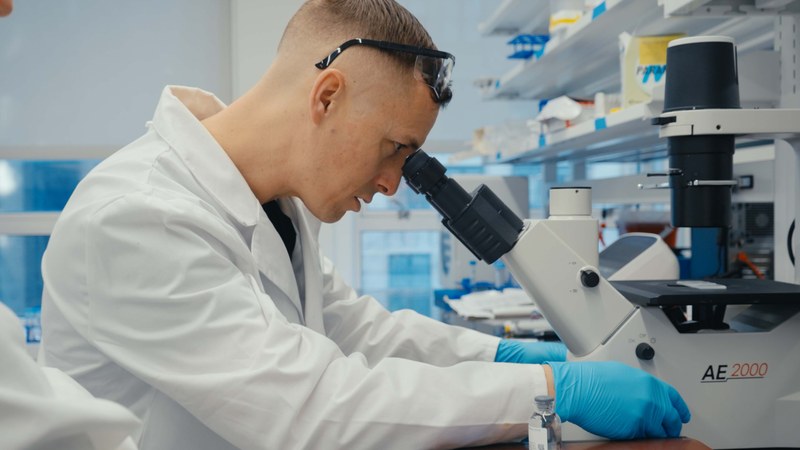
HexemBio is a New York- and Berkeley-based biotech building what it calls the first blood stem cell rejuvenation therapy. Its Synthetic Human Yolk Sac platform recreates the embryonic environment where blood stem cells first arise, temporarily placing a patient's own aged hematopoietic stem cells into that synthetic young niche before returning them by IV infusion - rather than gene-editing or chemically reprogramming the cells. The company launched publicly in April 2026 with a $10.4M seed round led by Draper Associates, holds an FDA Orphan Drug Designation for a bone-marrow-transplant program in blood cancers, and is targeting first-in-human trials in 2027.
Aleta Biotherapeutics
Aleta Biotherapeutics is a Natick, Massachusetts immuno-oncology company building CAR T Engagers (CTEs) - simple biologic proteins that make existing CAR-T cell therapies work better. Its lead drug, ALETA-001, bridges a patient's CD19-targeted CAR T-cells to CD20 on cancer cells, aiming to rescue patients who relapse after standard CAR-T treatment for B-cell cancers. Founded in 2015 by Paul Rennert and Roy Lobb, the company is running a Phase 1/2 trial in the UK with Cancer Research UK and reported encouraging early data in December 2025.
Orca Bio
Orca Bio is a late-stage biotechnology company in Menlo Park, California, building high-precision allogeneic cell therapies. Its proprietary single-cell sorting platform purifies donor immune and stem cells to engineer optimized therapeutic mixtures aimed at curing blood cancers and autoimmune diseases, with its lead candidate Orca-T currently under FDA priority review.
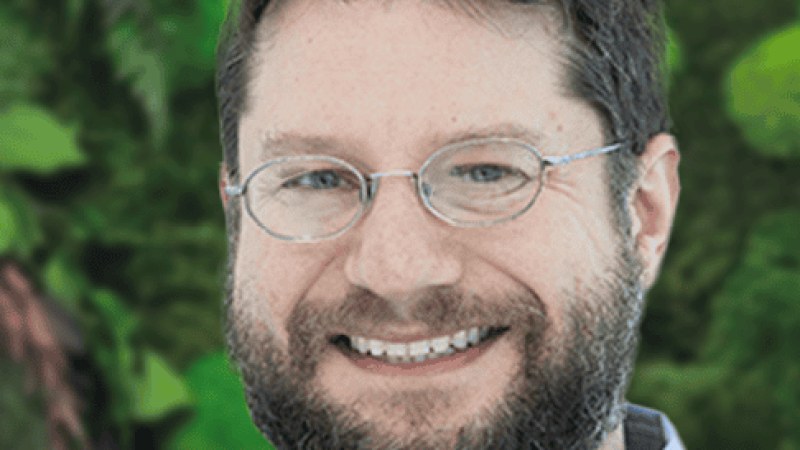
Nathaniel Fernhoff
Nathaniel Fernhoff is the CEO and Co-founder of Orca Bio, a late-stage biotechnology company headquartered in Menlo Park, California, developing high-precision allogeneic T-cell immunotherapies to treat blood cancers and autoimmune diseases. Holding a Ph.D. in Molecular and Cell Biology from UC Berkeley and dual Bachelor's degrees in Biological Sciences and Mathematics from Stanford, Fernhoff co-founded Orca Bio in 2016 based on decades-old Stanford research. He rose from Chief Scientific Officer to CEO in May 2025, leading the company through a landmark Phase 3 clinical trial for Orca-T - showing 78% survival free from chronic graft-versus-host disease versus 38% for standard-of-care - a BLA submission under FDA Priority Review, and a $250M Series F round bringing total funding to over $625M. With a 100,000-square-foot manufacturing facility in Sacramento capable of producing ~3,000 cell therapy products per year, Fernhoff is steering Orca Bio toward potential commercialization and a cure for blood diseases without compromise.