bispecific-antibodies
(14)
Roland Green Keeps Turning Lab Bench Problems Into Companies
Before Roland Green built antibody platforms, he wrote poetry, chased snow, and taught English in Prague. The same curiosity later turned a graduate-school workaround into NimbleGen - and now shapes how Invenra moves complex biology from bench to business.
Invenra Built an Antibody Factory. Then One of Its Molecules Reached Humans.
The Madison biotech spent years making two-target antibodies easier to build, screen and manufacture. Now a partner-discovered molecule is in a Phase 1 trial - and the operating lesson may be more reusable than the science.
Genmab
A Danish antibody specialist turned one licensed molecule into a multibillion-dollar royalty engine. Now Genmab is spending that advantage on a harder act: becoming the company that carries more of its own cancer medicines from lab bench to patient.

Apeximmune Therapeutics
Apeximmune Therapeutics is a South San Francisco / Burlingame-area biotechnology company developing next-generation antibody therapeutics that harness the immune system to treat cancer and autoimmune disease. Using a proprietary target-discovery platform built on bioinformatic analysis of thousands of tumor RNA-seq transcriptomes, the company has identified more than 30 novel immune targets. Its lead program, AI-306, is a first-in-class antagonist antibody against the novel immune checkpoint AIM-103, and its MEBA platform builds bispecific antibodies that engage macrophages to kill tumor cells. The company closed a $21.3 million Series A in 2025 led by PharmaEssentia.

EpiBiologics
EpiBiologics is a San Mateo biotech building bispecific antibodies that grab disease-driving proteins on the outside of cells and drag them into the trash. Its EpiTAC platform - spun out of Jim Wells' lab at UCSF - taps a library of more than 270 internalizing receptors so degradation happens in the right tissue and nowhere else. With $280M raised across Seed, Series A and a 2026 Series B led by GV and Johnson & Johnson, the company has pushed its lead EGFR degrader, EPI-326, into a Phase 1 trial for lung and head-and-neck cancers.

Diagonal Therapeutics
Diagonal Therapeutics is a Watertown, Massachusetts biotech building 'clustering antibodies' - multi-specific, agonist antibodies that bind two or more cell-surface receptors at once to switch broken signaling pathways back on. Its DIAGONAL Product Engine combines computational and experimental screening to sift billions of antibody combinations for the rare ones that restore receptor activity. The lead program, DIAG723, restores dysregulated ALK1 signaling to address the root cause of hereditary hemorrhagic telangiectasia (HHT) and pulmonary arterial hypertension (PAH). Founded by Alex Lugovskoy with Atlas Venture, the company launched in 2024 with a $128M Series A and raised an oversubscribed $125M Series B in January 2026 to push DIAG723 into the clinic.
Immetas Therapeutics
Immetas Therapeutics is a New Jersey biotech building drugs that target the chronic, low-grade inflammation that drives aging and age-related disease - what scientists call 'inflammaging.' Founded in 2018 by drug-development veteran J. Gene Wang and Harvard aging researcher David Sinclair, the company designs bispecific antibodies and other biologics to reprogram the innate immune system, aiming to treat age-related cancers and inflammatory and autoimmune disease. It raised an $11M Series A from Morningside Ventures in 2020 and partners with GC Biopharma on mRNA therapeutics.

Salubris Biotherapeutics
Salubris Biotherapeutics (SalubrisBio) is a clinical-stage biotechnology company in Gaithersburg, Maryland that engineers complex biologics for diseases with few good options - chiefly heart failure and cancer. Founded in 2016 as the US arm of China's Shenzhen Salubris Pharmaceuticals, its lead candidate JK07 is an antibody-fusion protein designed to harness the regenerative NRG-1/ErbB4 pathway in failing hearts while dialing out the side effects, and its oncology programs JK08 and JK06 pursue solid tumors through immune engagement and a 5T4-targeted biparatopic antibody-drug conjugate.

J. Gene Wang
J. Gene Wang is a physician-scientist and the founder and CEO of Immetas Therapeutics, a biotech he co-founded in 2018 with Harvard's David Sinclair to attack the chronic, low-grade inflammation that drives aging and age-related cancers. Trained with an M.D. from Peking University and a Ph.D. in immunobiology from Yale, Wang spent roughly two decades inside Merck, Abbott, GSK, and Novartis, where he helped move blockbuster drugs like Humira, Gardasil, Zolinza, and Varubi from lab bench to patients. At Immetas he is engineering bispecific antibodies designed to retune inflammation inside the tumor microenvironment and break resistance to checkpoint immunotherapy, backed by an $11M Series A from Morningside Ventures.

Alloy Therapeutics, Inc.
Alloy Therapeutics is a biotechnology ecosystem company that democratizes access to the tools, platforms, and expertise needed to discover and develop new drugs. Founded in 2017 by Errik Anderson and headquartered in the Boston area (Lexington, Massachusetts), Alloy gives more than 200 partners non-exclusive, affordable access to proprietary technologies - led by its royalty-free ATX-Gx transgenic-mouse antibody discovery platform - along with discovery services and a venture studio that builds new biotech companies. Its model is unusual: Alloy reinvests revenue into innovation and its controlling stock cannot be sold. In April 2026 the company raised a $40M Series E at a $1B valuation.

Normunity
Normunity is a clinical-stage biotech building a new class of cancer drugs it calls 'immune normalizers' - antibodies and T cell engagers that target previously hidden mechanisms tumors use to evade the immune system. Founded on the science of Yale immunologist Lieping Chen and led by drug-development veteran Rachel Humphrey, the company runs research at Yale's West Campus in West Haven, Connecticut, and dosed its first patient in 2025.
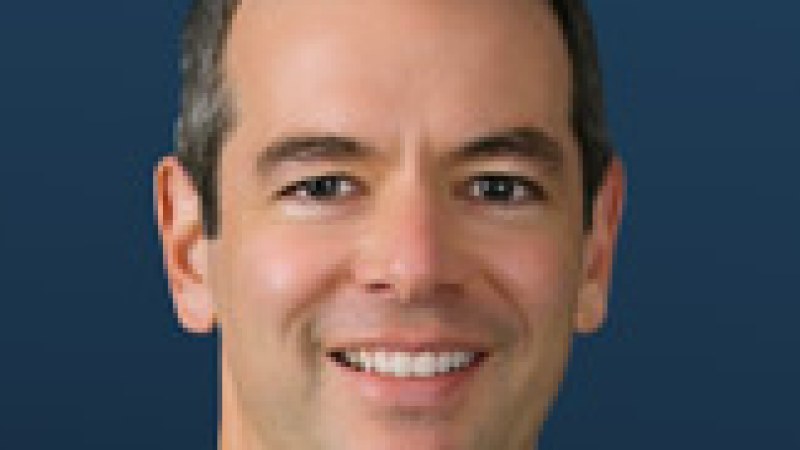
Samuel Murphy
Samuel Murphy is co-founder and CEO of Salubris Biotherapeutics, a clinical-stage biotech in Gaithersburg, Maryland developing complex biologics for cardiovascular, oncology, and neurodegenerative disease. A Penn-trained virologist who did his postdoc in the lab that became Spark Therapeutics, he spent a decade in pharma strategy consulting and life-sciences investment banking before joining Salubris in 2017 and taking the CEO seat in 2020. His lead program, JK07, is the first clinical-stage selective ErbB4 agonist aimed at being a disease-modifying biologic for heart failure. He also runs international business development for the company's Chinese parent, Shenzhen Salubris Pharmaceuticals.

Jennifer Cygan
Jennifer Cygan is a seasoned biotech executive and Chief Business Officer at EpiBiologics, where she helps advance a pipeline of novel bispecific antibodies designed to selectively degrade extracellular protein targets in oncology and immunology. With a Ph.D. from Harvard and over two decades of business leadership in biotechnology, she has been a pivotal force at Genentech, Calico Life Sciences (managing a $2.5B AbbVie alliance), and has co-founded and served as CBO for multiple emerging biotech companies including Broadwing Bio, Eikon Therapeutics, GenEdit, and Plexium. Her career sits at the intersection of science and strategy - translating cutting-edge biology into deals, partnerships, and companies that matter.
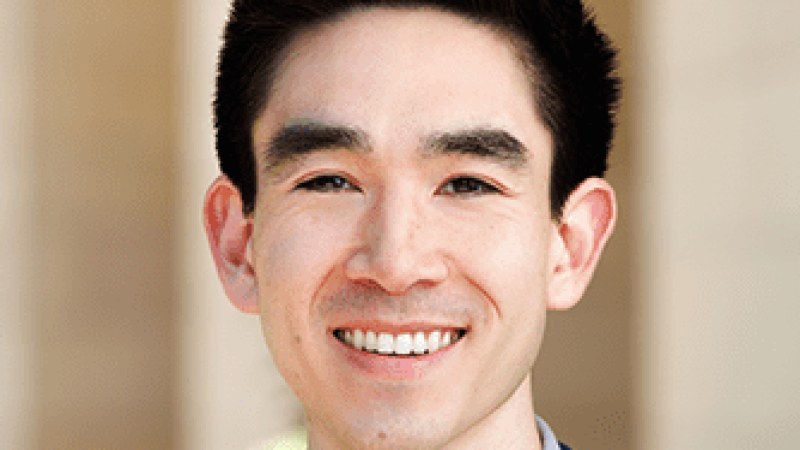
Kevin Parker
Kevin Parker, Ph.D. is the co-founder and CEO of Cartography Biosciences, a South San Francisco-based oncology company using single-cell genomics and AI to map the tumor antigen landscape and build precision immunotherapies. A Harvard and Stanford alumnus who founded the company straight out of his PhD, Parker has raised $124M in total funding, struck a landmark collaboration with Gilead Sciences, received FDA IND approval for his lead drug CBI-1214, and dosed the first patient in a Phase 1 colorectal cancer trial in early 2026 - all before most scientists finish a second postdoc.