asset-visibility
(6)
Elisity’s Bet: Make the Switches You Already Own Stop the Next Breach
Hospitals and factories have thousands of devices they cannot patch, reboot or even name. Elisity’s answer is to identify them, limit where they can talk and make the existing network do the enforcing.
Nozomi Networks Found a $1 Billion Business in the Networks Factories Were Afraid to Touch - Here’s the Playbook
Two researchers built a security company around an awkward industrial truth: you cannot defend machines you cannot see, and you cannot casually probe machines that keep cities running. Their passive-first wedge became a global platform, more than $100 million in annual revenue, and a $1 billion acquisition.

Legato Security’s Bet: Your Cyber Stack Isn’t Broken - It’s Badly Conducted
For security teams buried under alerts and half-integrated tools, the Salt Lake City MSSP sells a practical reset: keep the stack, expose the blind spots, and put accountable humans on watch around the clock.
Dragos Turned a Three-Person Side Project Into Security for the Machines Nobody Can Reboot
Dragos began with three practitioners, a packet-capture tool, and a founder who did not want to become a software vendor. A decade later, its field notes defend grids, factories and water systems - and explain why industrial security cannot be treated like office IT.

ORDR
ORDR is a Santa Clara-based cybersecurity company that brings order to the chaos of connected devices, using AI to discover, profile, and protect every IT, IoT, IoMT, and OT asset on an enterprise network - from MRI machines at Cleveland Clinic to manufacturing PLCs - without agents.
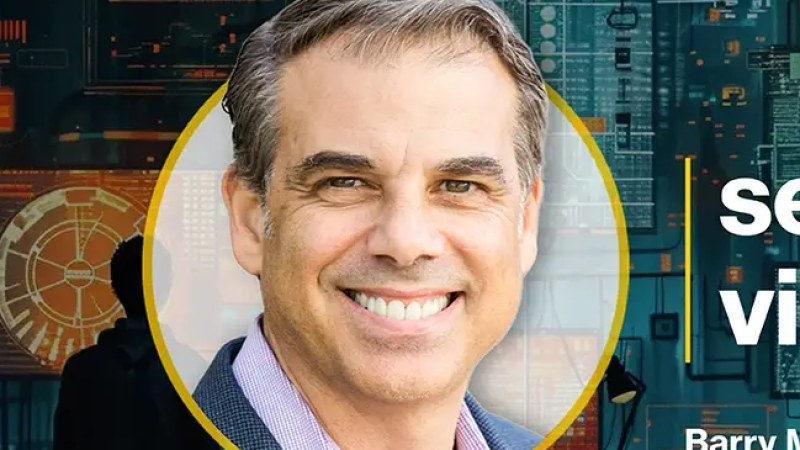
Barry Mainz
Barry Mainz is the CEO of Forescout Technologies, a San Jose-based cybersecurity company specializing in device visibility, OT/IoT security, and network access control. With over 30 years of executive leadership across infrastructure software and cybersecurity, he previously served as CEO of MobileIron, COO of Malwarebytes, and President of Wind River Systems (Intel). At Forescout, Mainz has driven the company to record growth, including a 20% increase in new recurring bookings and 38% DoD business expansion in 2024, while positioning the platform as the leading solution for cyber resilience across converging IT, OT, and IoT environments. He also sits on the Board of Directors of BlackBerry.