antibody-therapeutics
(13)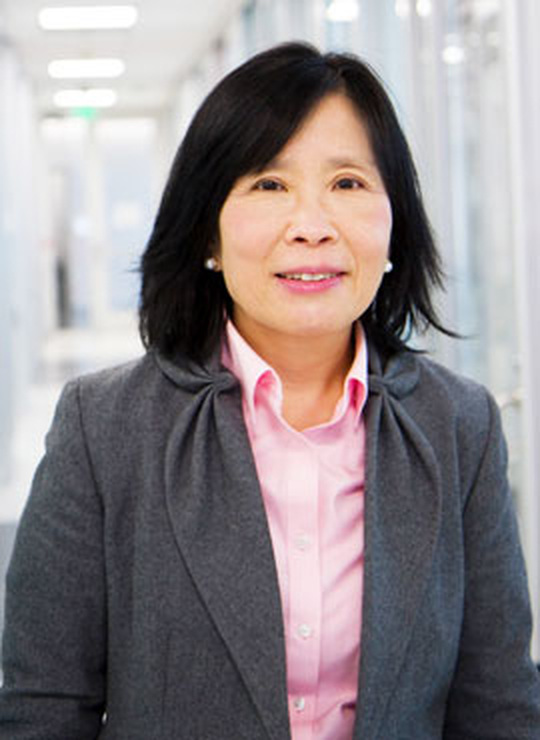
Li-Fen Lee Is Building a Biotech Around What the Immune System Misses
After two decades inside immunology labs and drug-discovery groups, Li-Fen Lee founded Apeximmune to search for the immune system’s overlooked brakes - then turn those discoveries into antibody medicines.
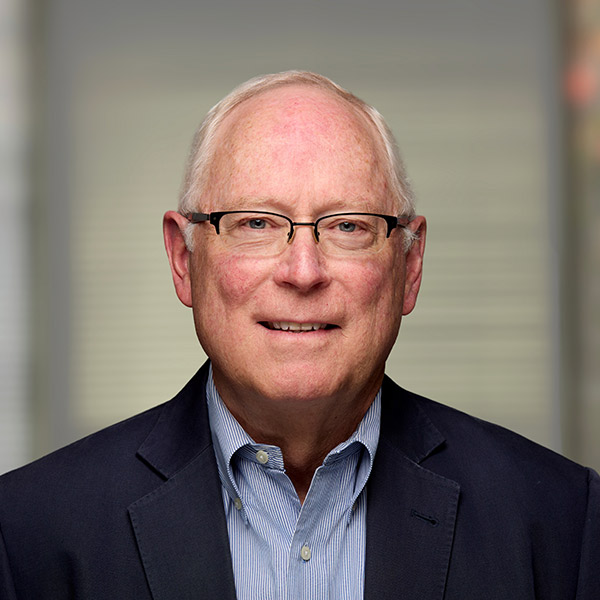
Barry Selick’s Second Act Is a Return to the Bench-to-Business Handoff
After decades moving between lab science, venture capital, public-company leadership and university innovation, Barry Selick is back inside a small biotech - carrying a career’s worth of pattern recognition into Hinge Bio’s clinical turn.
Kyowa Kirin, Inc. - U.S.
A Japanese fermentation lineage became a U.S. rare-disease business by following biology that larger markets often overlook. Now Kyowa Kirin is testing whether patient-scale focus can coexist with manufacturing-scale ambition.
Genmab
A Danish antibody specialist turned one licensed molecule into a multibillion-dollar royalty engine. Now Genmab is spending that advantage on a harder act: becoming the company that carries more of its own cancer medicines from lab bench to patient.
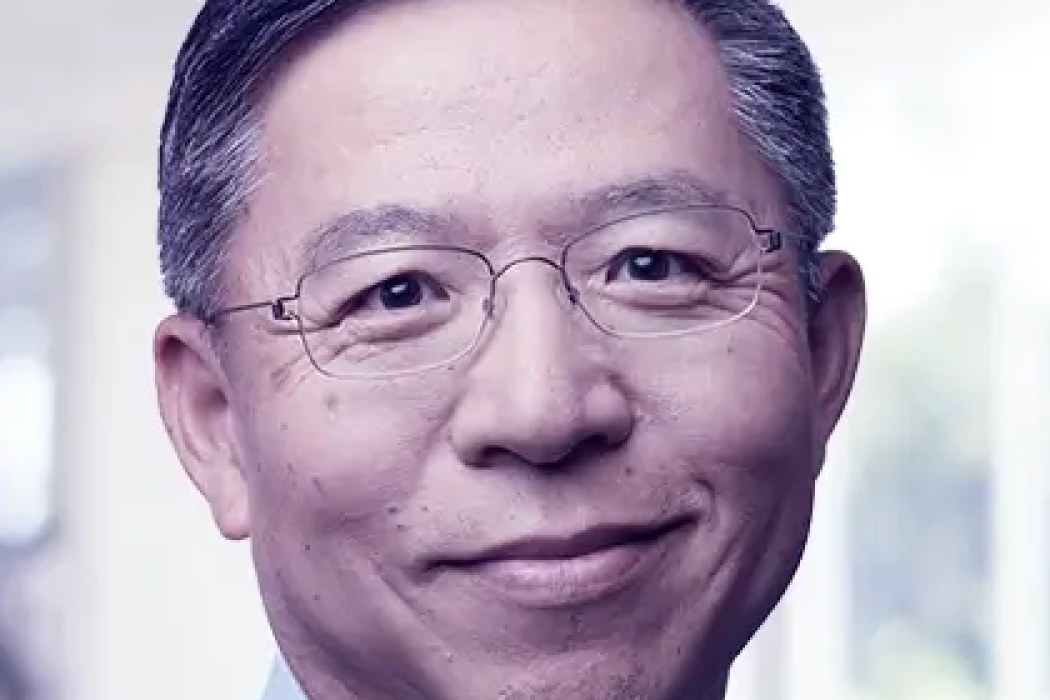
Tao Fu
Tao Fu is the founder, CEO, and president of Attovia Therapeutics, a San Carlos, California biotech developing next-generation biologics for immune-mediated diseases using its proprietary ATTOBODY platform. A biologist-turned-business-leader with more than 25 years across pharma, he built his career at McKinsey, Bristol Myers Squibb, Portola Pharmaceuticals, and Zai Lab before starting Attovia, which has raised roughly $255 million to date, including a $90 million Series C in April 2025.

Apeximmune Therapeutics
Apeximmune Therapeutics is a South San Francisco / Burlingame-area biotechnology company developing next-generation antibody therapeutics that harness the immune system to treat cancer and autoimmune disease. Using a proprietary target-discovery platform built on bioinformatic analysis of thousands of tumor RNA-seq transcriptomes, the company has identified more than 30 novel immune targets. Its lead program, AI-306, is a first-in-class antagonist antibody against the novel immune checkpoint AIM-103, and its MEBA platform builds bispecific antibodies that engage macrophages to kill tumor cells. The company closed a $21.3 million Series A in 2025 led by PharmaEssentia.
Attovia Therapeutics
Attovia Therapeutics is a San Carlos, California clinical-stage biotech developing first-in-class multispecific biologics for immune-mediated diseases. Its proprietary ATTOBODY platform builds small-format, biparatopic nanobody medicines with ultra-high (picomolar) affinity, tunable half-life and fast tissue penetration - engineered to hit multiple disease pathways at once. Lead programs ATTO-1310 (anti-IL-31) and ATTO-3712 (IL-13 x IL-31 bispecific) target chronic pruritus and atopic dermatitis. Founded in 2023 out of an Alamar Biosciences and Frazier Life Sciences incubation, the company has raised roughly $255M across Series A through C.
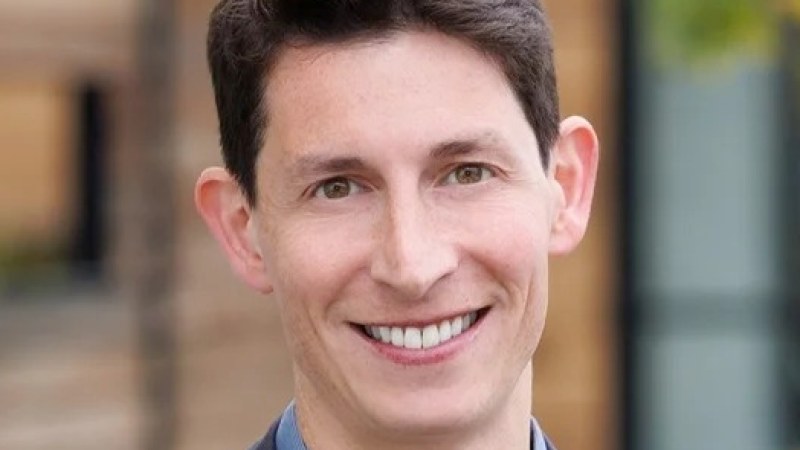
Adam Freund
Adam Freund is the founder and CEO of Arda Therapeutics, a San Carlos biotech built on a simple, contrarian bet: many chronic diseases are caused by specific cells gone wrong, so the cure is to find and delete those cells while leaving healthy tissue intact. A molecular biologist with a Berkeley PhD and a Stanford postdoc, he spent seven years at Google-backed Calico Life Sciences, where he helped grow the company from roughly 15 to 200-plus people and started its most advanced anti-aging therapeutic program. In late 2021 he left to start Arda as a solo founder with a deck and a thesis, and by October 2024 had raised a $43M Series A led by a16z Bio + Health. His tools are single-cell sequencing to map disease cell-by-cell and antibodies to do the deleting.

Sporos Bioventures
Sporos Bioventures is a Houston-based private biotechnology company that builds and operates a portfolio of oncology and immune-disease startups under one roof. Rather than launching companies one at a time, Sporos pools capital, drug-discovery infrastructure, and operational expertise across multiple programs - including Tvardi Therapeutics, Asylia Therapeutics, Nirogy Therapeutics, Stellanova Therapeutics, and its internal Sporos BioDiscovery group - to move targeted cancer therapies from idea to early clinical trials faster and with less duplicated risk.
Hinge Bio
Hinge Bio is a clinical-stage biotechnology company in Burlingame, California, building next-generation antibody therapeutics on its proprietary GEM-DIMER platform. The platform engineers multivalent, multispecific antibodies that bind their targets cooperatively for dramatically enhanced potency. Its lead candidate, HB2198, is a B cell-depleting agent targeting both CD19 and CD20 with enhanced natural killer cell engagement, now in Phase 1 trials for systemic lupus erythematosus and lupus nephritis. The company raised a $30M Series A led by Point72 in January 2025.

Vishal Patel
Vishal Patel is the co-founder and CEO of Triveni Bio, a Watertown, Massachusetts biotech betting that genetics, not trial-and-error, should decide which antibodies reach patients with immune and inflammatory diseases. He stitched the company together from a two-startup merger, raised more than $200 million across Series A and B rounds, and pointed its lead programs at the skin enzymes behind atopic dermatitis. A Harvard PhD and MIT MBA who once helped draft healthcare legislation on Capitol Hill and still serves as a US Navy reservist, Patel runs a lab while keeping a foot in venture as an Atlas advisor.
Josh Carle
Josh Carle is the Chief Business Officer of Hinge Bio, a Burlingame, California biotech building multivalent, multispecific antibody therapies on its GEM-DIMER platform. A dealmaker by trade, he has led or advised more than fifty strategic transactions worth over $2 billion in disclosed deal value, moving from Pfizer Oncology and Daiichi Sankyo to immuno-oncology startup Triumvira before joining Hinge Bio in January 2023 to steer its lead lupus program toward the clinic.
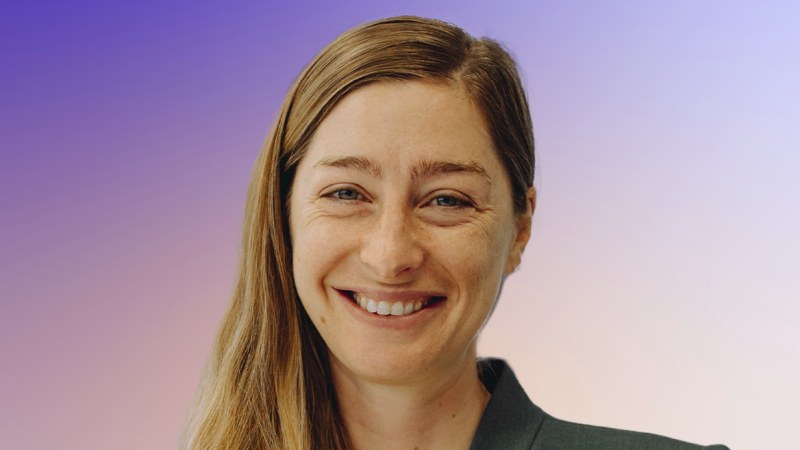
Peyton Greenside
Peyton Greenside is the CEO and co-founder of BigHat Biosciences, a San Mateo-based biotech company she co-founded in 2019 with Mark DePristo. A pioneer of deep learning applied to life science, Greenside combined a PhD in Biomedical Informatics from Stanford, an MPhil from Cambridge, and a BA in Applied Math from Harvard into a singular mission: use machine learning and synthetic biology to design safer, more effective antibody therapeutics faster than anyone thought possible. BigHat's Milliner platform generates thousands of unique antibody designs per week, and the company has raised $174M in total funding with pharma partnerships spanning Amgen, Merck, AbbVie, Johnson & Johnson, and Eli Lilly.