antibody-design
(6)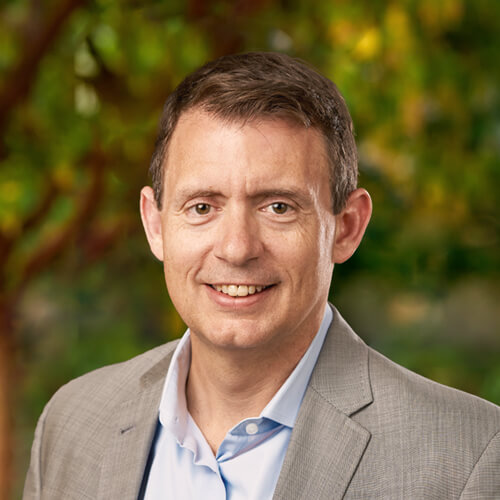
Aron Knickerbocker Built a Career by Following the Data
The Aulos Bioscience CEO has spent three decades moving closer to the work - from the lab, to the deal table, to the small teams where one clear decision can redirect an entire company.
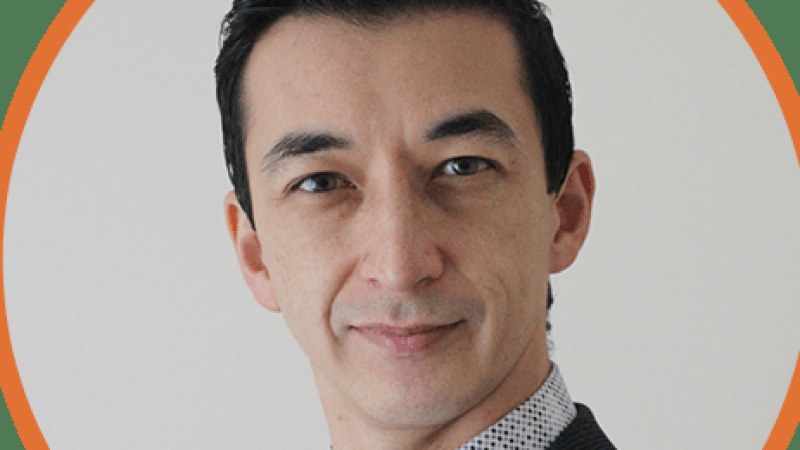
Murat Tunaboylu
Murat Tunaboylu is the co-founder and CEO of Antiverse, a Cardiff- and Boston-based AI-native biologics company designing de novo antibodies for historically undruggable targets like GPCRs and ion channels. A software engineer who spent years automating gene synthesis at Thermo Fisher and building lab robots for cancer research before starting a company that uses generative models to design antibodies, he raised a $9.3M Series A in March 2026 and struck a research deal with the Cystic Fibrosis Foundation the same week.
Deniz Kavi
Deniz Kavi is the co-founder and CEO of Tamarind Bio, a San Francisco company that turns hundreds of complex computational-biology models - AlphaFold, RFdiffusion, OpenFold and more - into a point-and-click web tool and API so scientists can design drug candidates without writing code or wrangling cloud infrastructure. A Stanford computer-science graduate who did computational-biology research and engineered software at Stanford School of Medicine, he started the company in 2023 with co-founder Sherry Liu, went through Y Combinator's W24 batch, and in February 2026 raised a $13.6M Series A led by Dimension Capital. Tamarind now serves 10,000+ scientists, including 8 of the top 20 global pharma companies, and was tapped to run the inference infrastructure behind Eli Lilly's TuneLab 2.0.
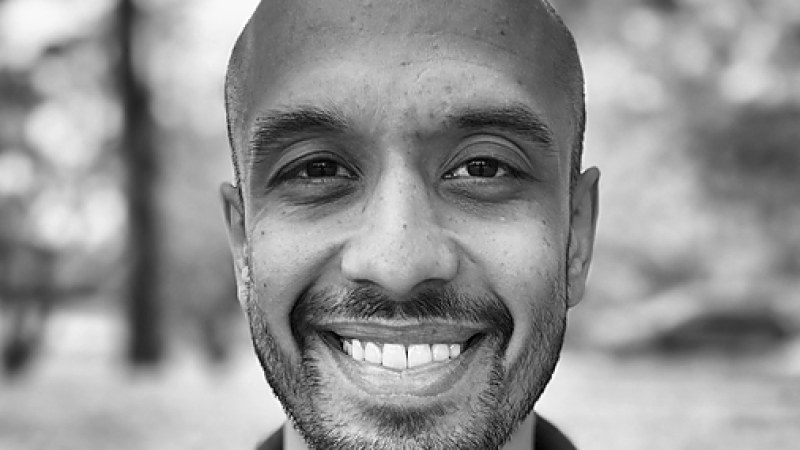
Surge Biswas
Surge Biswas is the co-founder and CEO of Nabla Bio, a Cambridge, Massachusetts biotech that designs antibodies with AI. As a graduate student in George Church's Harvard lab he helped pioneer protein language modeling, a technique now central to machine-learning-guided protein design. At Nabla he built JAM, a generative system he calls 'molecular auto-complete' that designs therapeutic antibodies from a target sequence alone, including against notoriously undruggable membrane proteins like GPCRs. The company has raised roughly $37M and struck collaborations with Takeda, AstraZeneca, and Bristol Myers Squibb worth over a billion dollars in potential payments.
Richard Yu
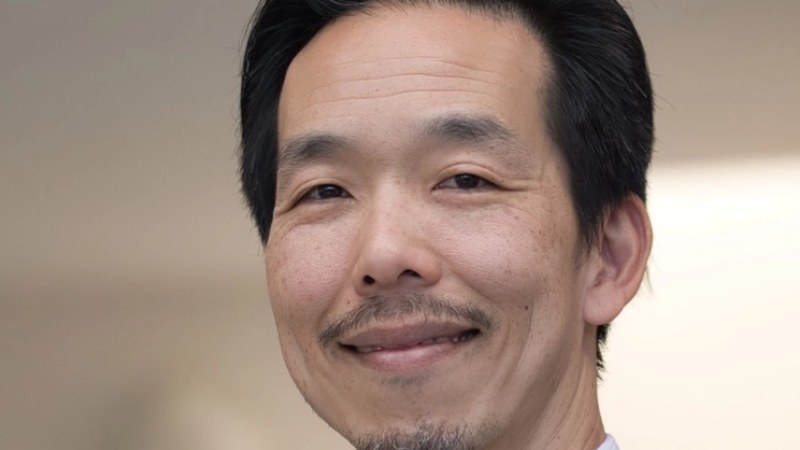
Richard Yu is the Co-founder and CEO of Abalone Bio, an Emeryville, California-based biotechnology company pioneering AI-guided antibody drug discovery for notoriously hard-to-drug targets. With a PhD in Molecular Biophysics from Yale and a background spanning structural biology, systems biology, and biotech entrepreneurship, Richard built Abalone Bio's FAST platform - a high-throughput yeast cell screening system capable of evaluating 100 million antibody variants simultaneously. The company has secured partnerships with Pfizer and Mount Sinai, generated $7M in non-dilutive NIH grants, and published the world's first CB2 antibody agonist data, while positioning AI and large-scale functional datasets at the core of next-generation antibody therapeutics.
Peyton Greenside
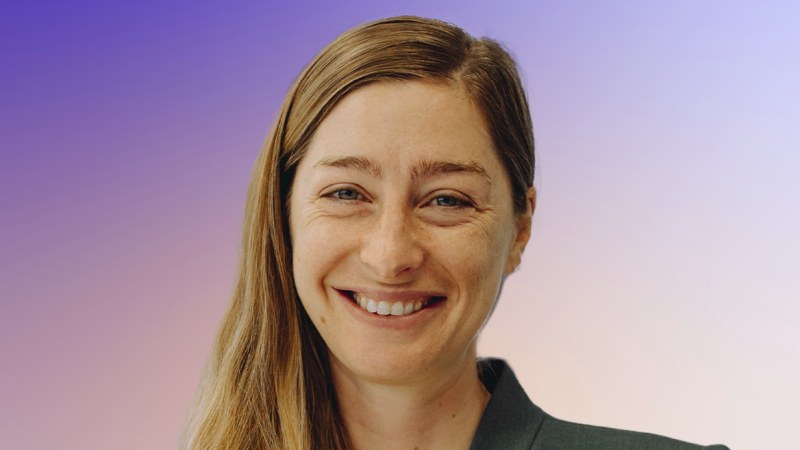
Peyton Greenside is the CEO and co-founder of BigHat Biosciences, a San Mateo-based biotech company she co-founded in 2019 with Mark DePristo. A pioneer of deep learning applied to life science, Greenside combined a PhD in Biomedical Informatics from Stanford, an MPhil from Cambridge, and a BA in Applied Math from Harvard into a singular mission: use machine learning and synthetic biology to design safer, more effective antibody therapeutics faster than anyone thought possible. BigHat's Milliner platform generates thousands of unique antibody designs per week, and the company has raised $174M in total funding with pharma partnerships spanning Amgen, Merck, AbbVie, Johnson & Johnson, and Eli Lilly.