ai-shopping
(7)
Rob Gonzalez Spent 14 Years Making the Digital Shelf Legible
A PalmPilot prototype disappeared in a restaurant fire. The larger idea survived: make commerce systems speak clearly to one another, then keep building until an industry learns the language.
Bazaarvoice Built the Plumbing Beneath the Five-Star Economy
Every star rating looks tiny. Bazaarvoice turned billions of them into retail infrastructure - then began teaching that infrastructure to speak to creators, social platforms, and AI shopping agents.
The Hardest Part of Selling a Sofa Is Everything After the Click
Wayfair built a $12.5 billion business by making 40 million home products feel browsable - then taking responsibility for the awkward journey from a supplier's warehouse to a customer's living room.

Furniture Shopping Became a Spreadsheet. Furniture.com Wants to Make It a Conversation.
The internet gave furniture shoppers millions of choices and six new chores. Furniture.com is betting that one neutral decision layer - plus a chatty assistant named Dottie - can turn the browser-tab maze back into shopping.

Pinterest is a visual discovery and inspiration platform where people find and save ideas for projects and interests, from recipes and home decor to fashion and travel. Founded in 2010 and headquartered in San Francisco, it lets users organize images called Pins into themed collections called boards, and increasingly acts as a shopping-and-discovery engine powered by visual search and AI. Publicly traded on the NYSE, Pinterest reached roughly 631 million monthly active users and $4.2 billion in 2025 revenue, earning nearly all of that from advertising.

Daydream
Daydream is a conversational, AI-powered fashion shopping platform founded by Julie Bornstein. It lets people search for clothing with natural language and images across roughly two million products from 8,000+ brands, then sends them to the retailer to check out.
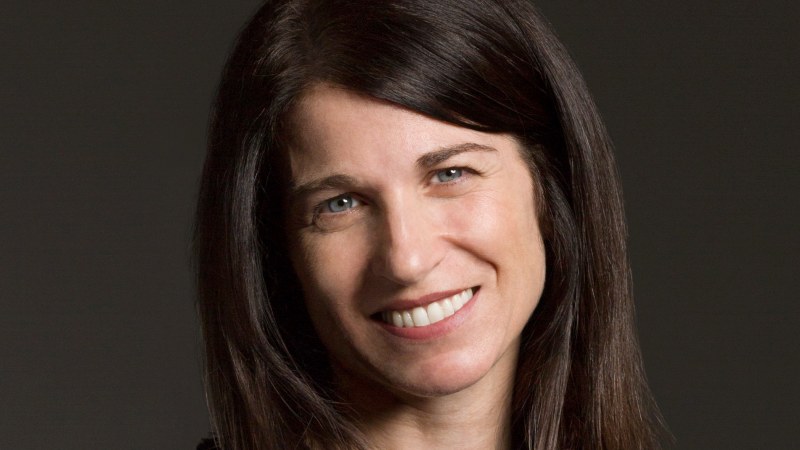
Julie Bornstein
Julie Bornstein is the founder and CEO of Daydream, an AI-powered shopping search engine that raised $50M in seed funding in 2024 and publicly launched in 2025. A serial entrepreneur and e-commerce pioneer, she grew Nordstrom.com from $10M to $350M in sales, transformed Sephora's digital business and launched Beauty Insider, scaled Stitch Fix to $1B as COO, and sold her AI fashion startup The Yes to Pinterest in 2022. With a Harvard BA and HBS MBA, Bornstein has spent 25+ years at the intersection of retail, technology, and artificial intelligence.