ai-roi
(6)
The Company That Put a Stopwatch on Code Turned It Toward AI
Software.com began by measuring the minutes developers could actually code. Now called Antenna, it asks a more expensive question: what does a company get back for its AI bill?
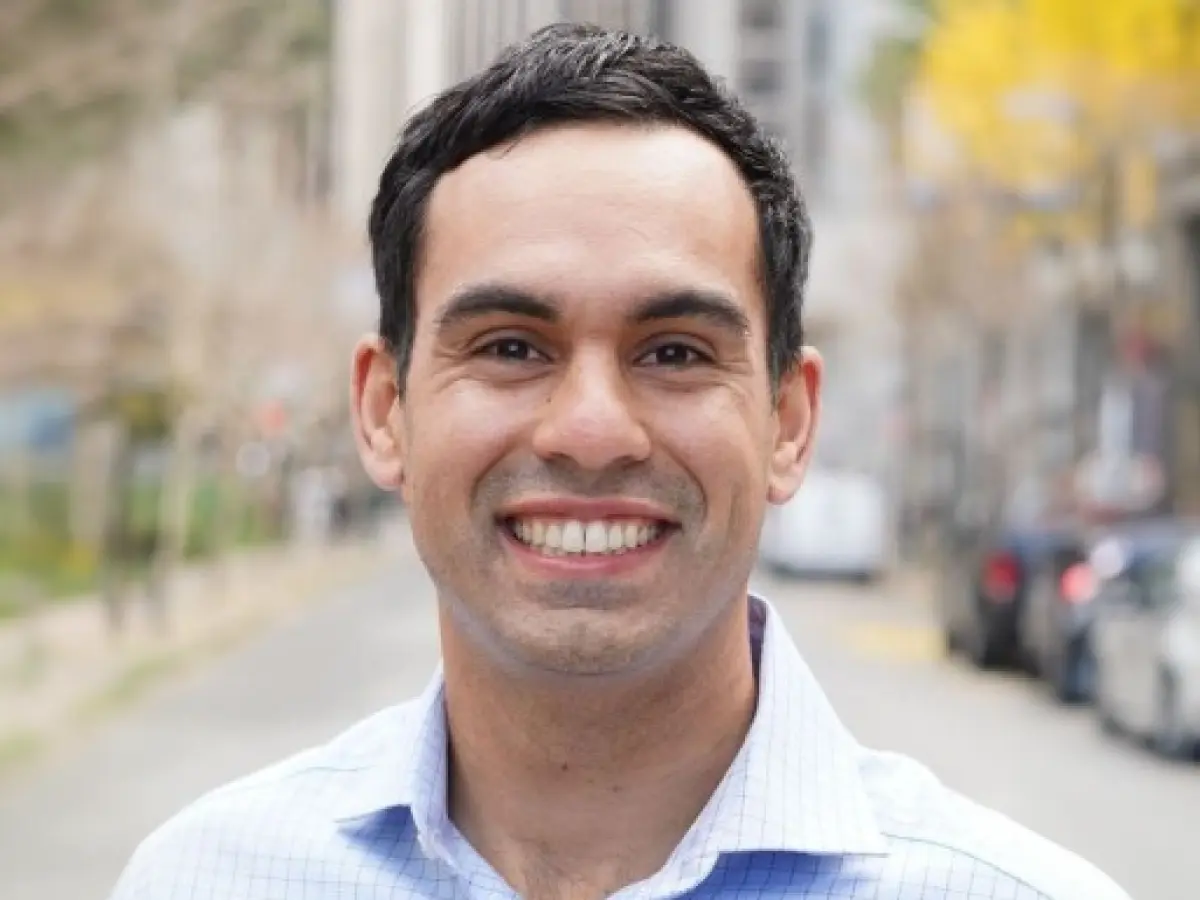
James Milin Is Building an Audit Trail for the AI Boom
After social work, cloud sales, and one startup, the Workhelix CEO found his next problem hiding inside corporate AI budgets: companies could count the tools they bought, but not the value they created.

Autostep
Autostep is a San Francisco startup building a desktop app that installs across an organization to map how people actually work, surface repetitive high-cost tasks, and rank them by cost and impact so leaders know what is worth automating. Framed as "the P&L for knowledge work," it measures the ROI of both human effort and AI agents, then recommends whether to build an agent, change a process, standardize a workflow, or use software the company already pays for. Founded by Aidan Pratt and backed by Y Combinator (Spring 2026 / P26) and Neo.
Workhelix
Workhelix is an enterprise AI-measurement company that breaks jobs down into individual tasks - hundreds of thousands of them per client - and scores each one for how much generative AI can actually help. Founded by economists Erik Brynjolfsson, Andrew McAfee, and Daniel Rock alongside CEO James Milin, the company pairs proprietary task-scoring software with data scientists to tell C-suite leaders where to deploy AI, how it is being adopted, and what return it is producing. It raised a $15M Series A in February 2025 and counts Wayfair, Coursera, Accenture, and BAYADA among its customers.

Quantum Rise
Quantum Rise is a Chicago-based AI transformation company founded in 2024 by serial entrepreneur Alex Kelleher. It sells what it calls 'Consulting 2.0' - a products-not-projects model that pairs an enterprise AI operating system (QR/OS), a repeatable methodology, and forward-deployed experts to help mid-market and enterprise clients turn AI into measurable revenue and cost savings. Backed by a $15M seed round from Erie Street Growth Partners, the company argues the traditional billable-hours consulting model is about to collapse under automation, and it aims to fill the gap between the Big Four giants and smaller boutique shops.

The $2.5 Trillion Question: Why 95% of Enterprise AI Pilots Fail (and How Supply Chains Beat the Odds)
Sushanth Raman, founder and CEO of San Francisco-based supply chain AI company Pallet, delivers a conference keynote tackling the central paradox of the enterprise AI boom: despite a projected $2.5 trillion in AI spending in 2026, an MIT study finds 95% of enterprise AI pilots fail. Raman argues the failures stem not from weak frontier models but from messy real-world deployments, uncaptured tribal knowledge, legacy integrations, and poor change management. He offers a three-part framework for evaluating AI vendors, explains why building in-house is harder than it looks, and presents three case studies (Lineage, Prism Logistics, and Mallory Alexander) where Pallet drove millions in savings and 99%+ accuracy on tasks like customs filing.