ai-operations
(8)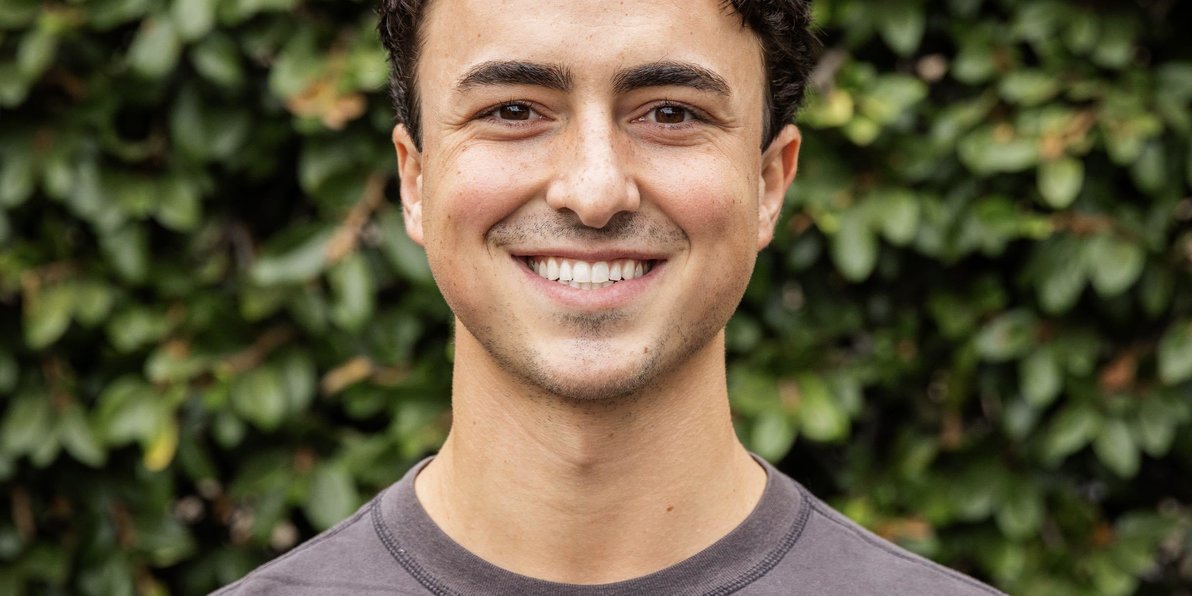
Sasha Lascar Is Teaching a Company to Remember
A Stanford mechanical engineer went from mills, molds and a Michelin pastry station to building more than 100 AI agents at Laurel. His real project is larger: making what one team learns useful to every other team.

The Operator Between the Rooms
Before Audrey Gorman entered enterprise AI, she studied human systems, taught through a disrupted year and learned how communities survive a change of format. At Distyl, that unusual apprenticeship has found a very modern address.

Doug Proctor and the Discipline of Killing the Wrong Idea
Before Candid Health raised $120 million, Doug Proctor helped build battlefield data systems and shut down a promising climate startup when the evidence turned. His operating creed is less glamorous than disruption: learn fast, tell the truth, and earn the right to automate.

Katherine Calvert’s Job Is to Make PagerDuty Mean More Than a 3 A.M. Alarm
The English major who named Khoros now runs brand, demand and commercial growth at PagerDuty - turning a famous engineering alert into a broader promise about how companies recover, learn and keep moving.

Nazli Danis Learned to Scale the Machine. Now She Wants to Fix the Factory Floor.
The art-history graduate who helped turn Deel's spreadsheet prototype into a vast business is taking her 11-star product obsession somewhere less polished: the manual workflows of companies that make real things.

Priya Khandelwal Is Turning AI’s Messiest Job Into a System
The Nixo co-founder went from Stanford AI labs to the awkward last mile of enterprise software. Now she is betting that forward deployed engineers need an operating system of their own.

Andrew Adams Is Building the Boring Machinery That Makes Care Work
He studied stories and systems, then built a company around the paperwork everyone else avoided. Inside Andrew Adams's playbook: narrow the problem, earn trust, and keep rewriting the operating manual.
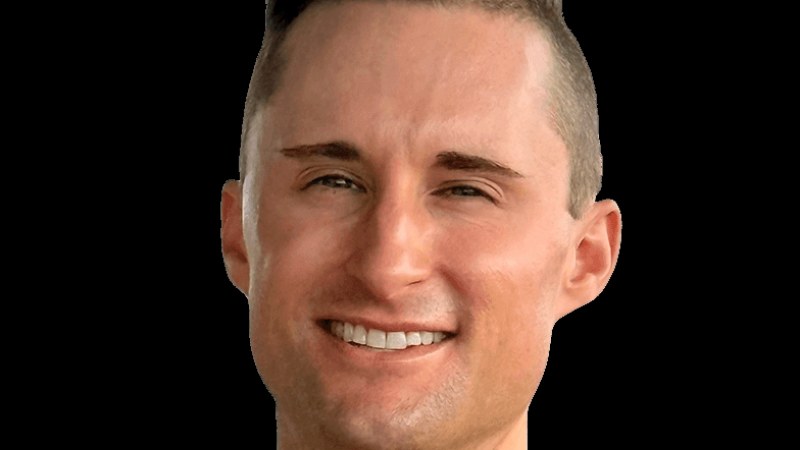
Chase Roberts
Chase Roberts is an AI Ops Partner at Andreessen Horowitz (a16z), where he supports the firm's infrastructure team across AI operations, go-to-market strategy, and portfolio company scaling. A self-described 'VC coach for entrepreneurs,' he built his career across five years at Box in sales and partnerships, a stint launching Segment's BD function, and a tenure as a principal at Vertex Ventures US before serving as COO at Northflank - a developer platform startup he had personally backed. Now at a16z, Roberts brings a rare operator-investor hybrid lens to the AI infrastructure moment, writing and thinking publicly about why AI will expand enterprise software markets rather than shrink them.