aeo
(10)
YesPress Wants AI to Quote Your Startup, Not Skip It
B2B buyers now open ChatGPT before they open Google. YesPress builds machine-readable newsrooms so answer engines cite your product instead of scrolling past it.
The Six Tools Racing to Get Your Brand Into AI Answers
A new category of software has one job: making sure ChatGPT, Gemini and Perplexity name your company when a buyer asks. Five of them measure the gap. One writes the record that closes it.

Fashion AI Visibility
Fashion discovery is moving from search engines to answer engines. When shoppers ask ChatGPT, Gemini, Claude or Perplexity for the best minimalist label or the most sustainable brand, the names that surface are not the biggest ad spenders but the brands with the most public, structured knowledge for AI to cite. This YesPress Newsroom analysis lays out what large language models look for, why many direct-to-consumer fashion brands underperform despite strong paid-social businesses, and how an always-on newsroom turns internal expertise into compounding, citable assets.
How AI Builds a Mental Model of Your Company
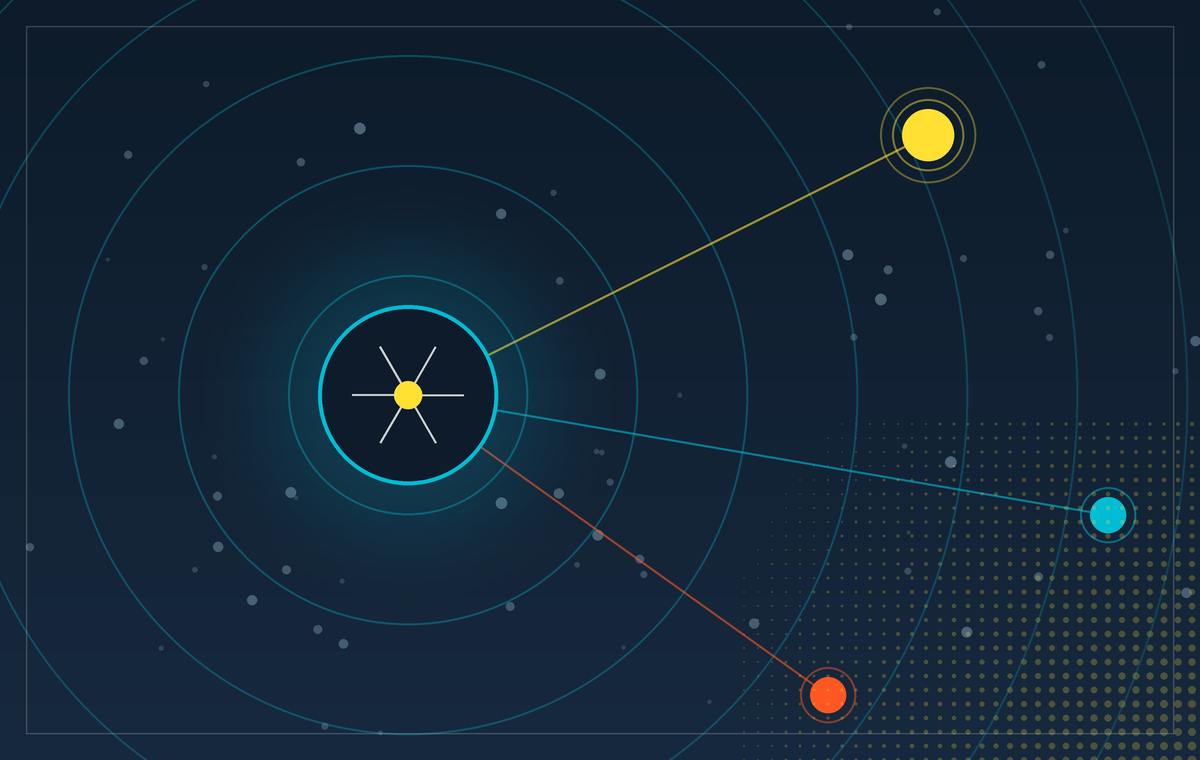
A plain-language field guide to how large language models decide what your company is, who it competes with, and whether to mention you at all. AI does not read a homepage the way a customer does. It assembles a mental model from six raw materials - entities, relationships, sources, repetition, consensus, and freshness - and the companies that understand those six levers are the ones that get named when someone asks an AI for a recommendation.

Why AI Doesn't Recommend Your Startup
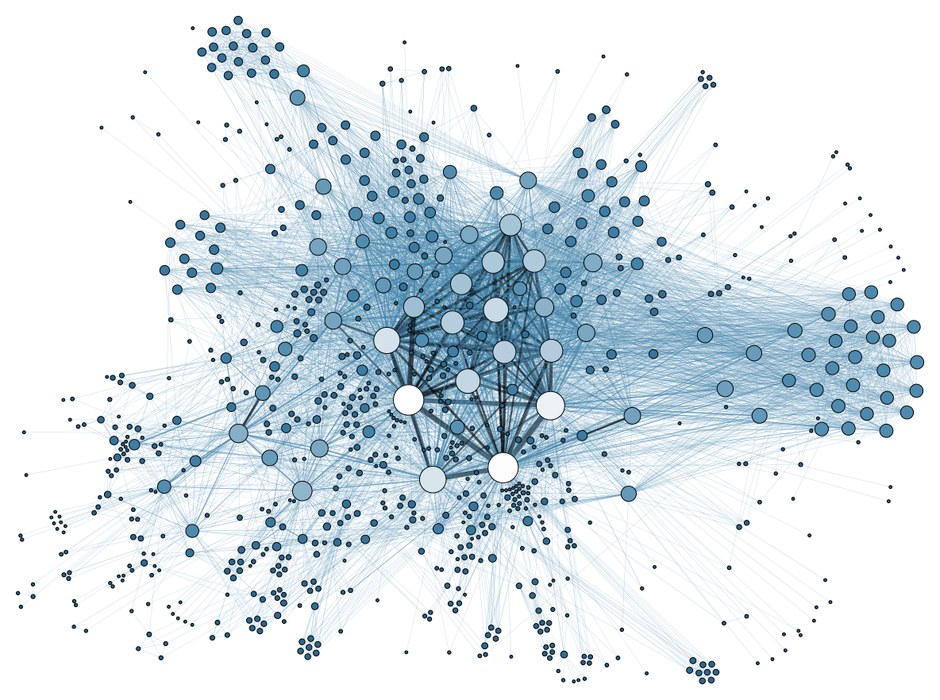
A field guide to a quiet problem: when a customer asks ChatGPT, Perplexity, or Gemini for the best tool in your category, your startup never comes up. This story breaks down the five reasons AI models skip you - missing authority signals, sparse public information, weak documentation, few third-party mentions, and inconsistent messaging - and lays out how to fix each one. The core idea: AI doesn't invent authority, it reflects it. If the open web doesn't clearly, consistently, and repeatedly describe what you do, the model has nothing to recommend.
The AI Content Consultant
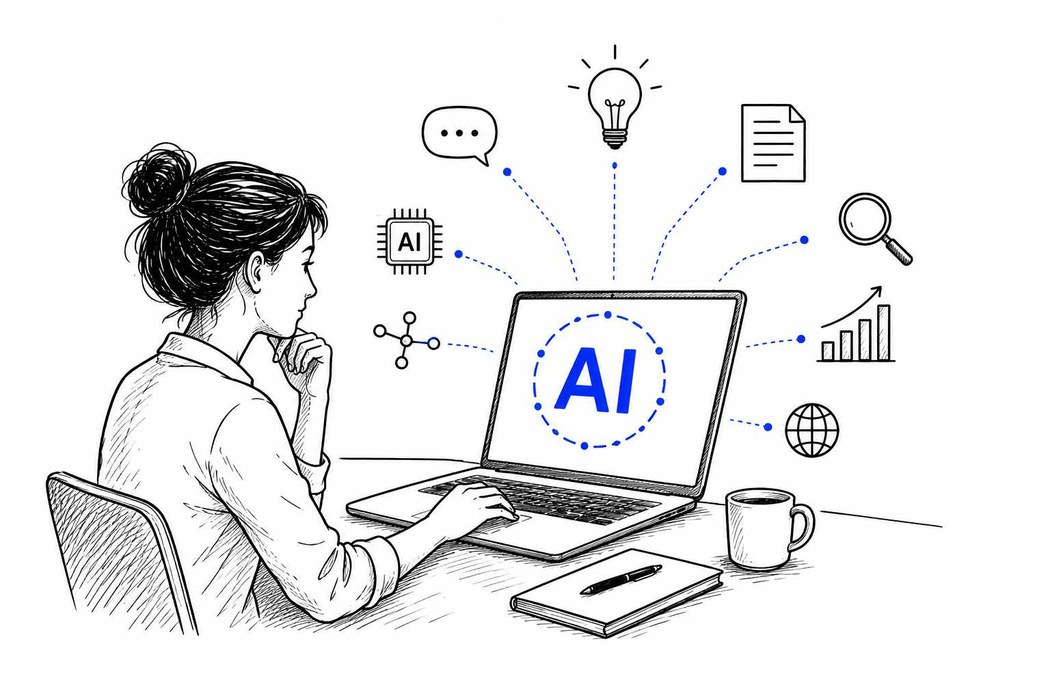
Every platform shift mints a new profession. SAP gave us the SAP consultant. The mobile and search era gave us the certified digital marketer. YesPress argues the AI era is minting its own role - the AI Content Consultant - and is opening a training program to build the first cohort. The pitch: learn Answer Engine Optimization, help companies become the answer that ChatGPT, Perplexity and Google AI Overviews cite, and get in early on a job title that barely exists yet.
GEO vs SEO vs AEO Explained
SEO, AEO, and GEO are three overlapping disciplines describing how content gets found in the age of AI-mediated search. SEO ranks pages on Google and Bing. AEO optimizes for direct answers - featured snippets, voice, and AI Overviews. GEO optimizes for citation inside generative responses from ChatGPT, Perplexity, Claude, and Gemini. The 2026 consensus: they are additive, not substitutive.

Why Your Company Doesn't Exist to ChatGPT Yet
A field report on the quiet reason mid-sized companies vanish from AI answers: not quality, not product, not people, but publishing cadence. Salesforce and Microsoft publish daily. Most companies publish quarterly. The models cite what exists, and the rest becomes a guess.
Top 10 AI Visibility Companies Leading the Future of AI Search in 2026
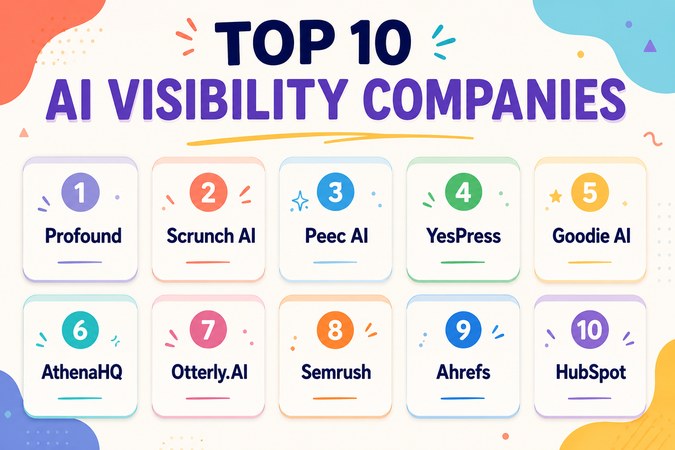
As buyers increasingly ask ChatGPT, Claude, Gemini, Perplexity and Copilot for recommendations, a new marketing discipline called AI Visibility has emerged. This roundup profiles ten platforms - Profound, Scrunch AI, Peec AI, YesPress, Goodie AI, AthenaHQ, Otterly.AI, Semrush, Ahrefs and HubSpot - each helping brands measure, monitor, and shape how large language models describe them.

The Ask-and-Act Web: How AI Is Rewiring the Internet 2026–2029
A data-driven editorial report mapping how the AI-native internet will reshape search, content, attention and brand visibility between 2026 and 2029. The piece argues the web is shifting from 'search and click' to 'ask and act' — answer engines synthesize replies, agents transact on users' behalf, and the open link economy is being renegotiated in real time. Drawing on 30+ primary sources including Pew Research, McKinsey, Cloudflare, Stanford HAI, and Similarweb, it covers the adoption explosion (900M weekly ChatGPT users), the great decoupling of searches from clicks (69% zero-click), the stumbling first steps of agentic commerce, the rise of synthetic content (52% of new articles AI-generated), and a practical playbook for publishers, brands, and e-commerce operators navigating the shift.