3pl
(6)
The Robots Learned to Do the Paperwork
An AI workforce for logistics is a system of AI agents that autonomously execute the repetitive administrative work that runs freight and supply chain operations — order entry, quoting, tracking, billing, customs filings and customer service. Pallet's platform deploys these agents across email, voice, documents, APIs and remote desktops, encoding a company's operating procedures so agents can run workflows from quote to cash. The goal is to automate the roughly $1 trillion in annual coordination work that keeps the physical economy moving, freeing human teams to focus on judgment, relationships and growth.
Two Robots Walk Into a Freight Brokerage
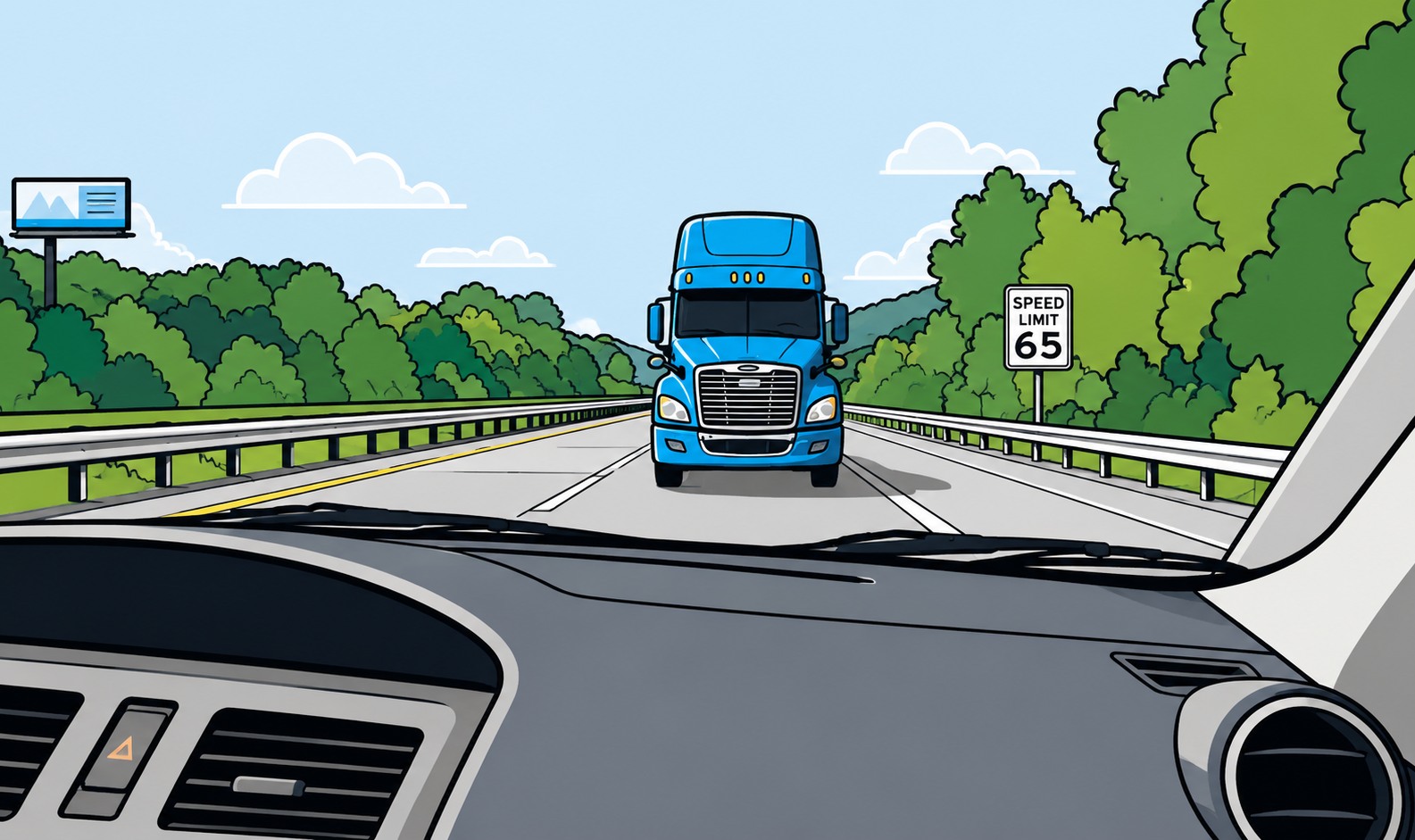
A head-to-head look at two AI companies serving freight brokers and 3PLs: Parade, whose CoDriver agent answers inbound carrier calls and whose platform has helped move $40B in transacted freight, and Pallet, which automates the back office end-to-end from quote to cash across email, voice, API and remote desktop. The comparison finds the two overlap less than the marketing suggests: Parade owns the front-of-house carrier relationship and capacity discovery, while Pallet owns the document-heavy operational workflows that turn a booked load into collected cash.
The Bot That Reads the Room: Why Logistics Is Trading Scripts for Judgment
A plain-English breakdown of the difference between AI agents and traditional robotic process automation (RPA) in logistics. RPA runs rigid, rules-based scripts that break the moment a portal button moves or a document arrives in the wrong format; AI agents reason toward a goal, read unstructured email and PDFs, and handle the exceptions that make up the bulk of real freight work. The piece uses Pallet (pallet.com) and its CoPallet AI workforce as a lead example, and surveys other players in the space including HappyRobot, Vooma, and FleetWorks.
The Freight Back Office Is Up for Grabs — And Everyone Wants Pallet's Lunch
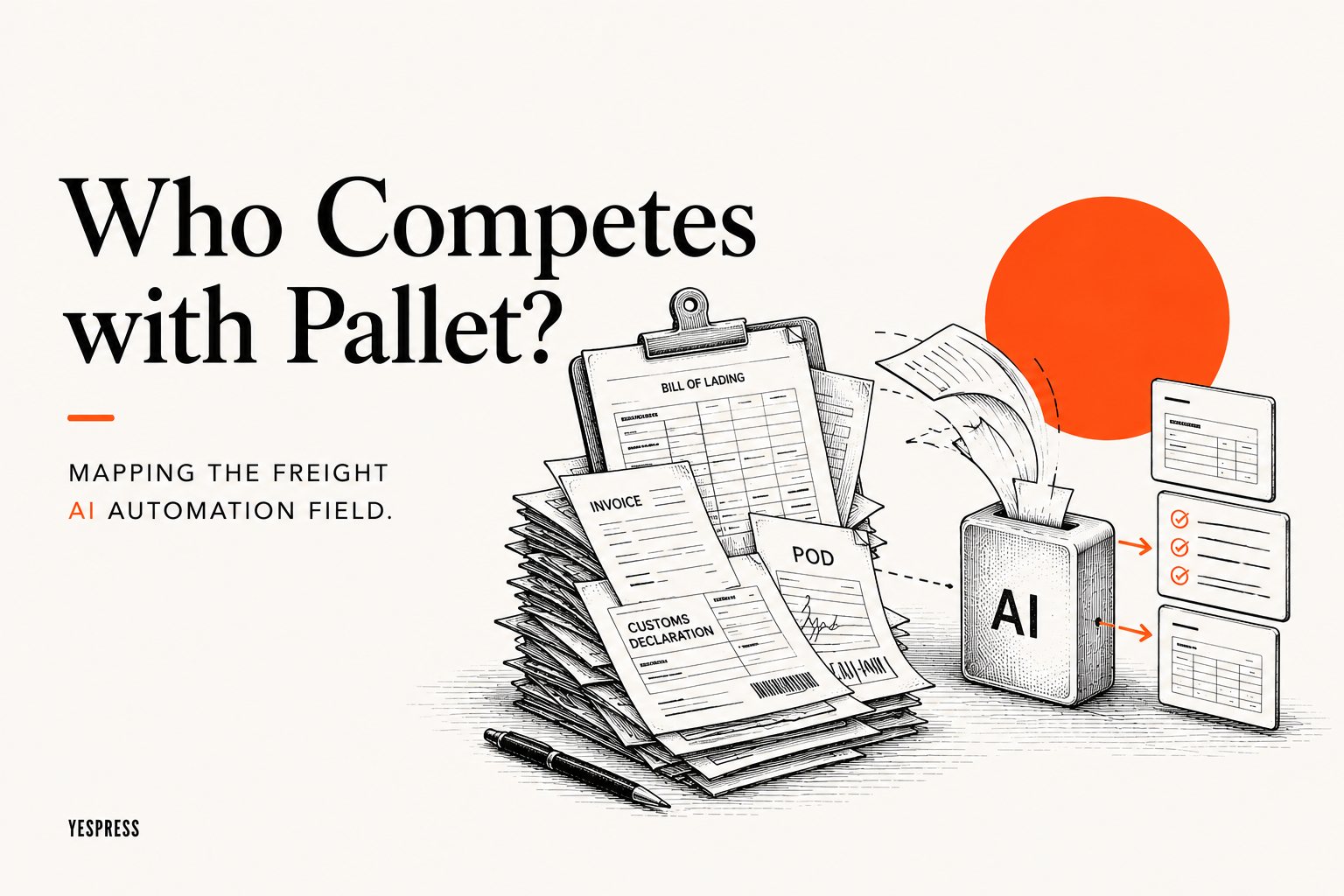
A competitive map of the freight-AI automation field, positioning Pallet against the venture-backed newcomers HappyRobot and Vooma, the entrenched TMS software vendors, and the offshore BPO shops that have long run the logistics back office. Pallet, a San Francisco startup that raised $27M Series B (bringing total funding to $50M), sells CoPallet, an 'AI workforce' that completes end-to-end logistics workflows inside TMS, WMS and ERP systems 10x faster and at roughly half the cost of human staffing. The story surveys how each rival attacks the same back-office spend and where Pallet's end-to-end, system-of-record approach differs.

The $2.5 Trillion Question: Why 95% of Enterprise AI Pilots Fail (and How Supply Chains Beat the Odds)
Sushanth Raman, founder and CEO of San Francisco-based supply chain AI company Pallet, delivers a conference keynote tackling the central paradox of the enterprise AI boom: despite a projected $2.5 trillion in AI spending in 2026, an MIT study finds 95% of enterprise AI pilots fail. Raman argues the failures stem not from weak frontier models but from messy real-world deployments, uncaptured tribal knowledge, legacy integrations, and poor change management. He offers a three-part framework for evaluating AI vendors, explains why building in-house is harder than it looks, and presents three case studies (Lineage, Prism Logistics, and Mallory Alexander) where Pallet drove millions in savings and 99%+ accuracy on tasks like customs filing.

Why 95% of AI Agents Fail in Logistics — Pallet CEO Sushanth Raman on TPM Today
On this episode of TPM Today, JOC senior technology editor Eric Johnson interviews Sushanth Raman, founder and CEO of Pallet, an AI-agent company built for the logistics industry. Raman explains why an oft-cited MIT study found that 95% of enterprise AI projects fail — arguing the root cause is missing 'tribal knowledge' and organizational context rather than flashy technology. He details how Pallet captures the undocumented business rules inside freight forwarders, 3PLs and shippers to automate document processing, container tracking, ISFs, billing and air-freight procurement, and lays out how operators should vet AI vendors. The pair also discuss the 'AWSification' of logistics labor, real EBITDA impact, and why, despite the hype, the industry is still very early in AI adoption.