A phone falls into water. What disappears? The handset can be replaced. The photographs of a child at three, the video of a parent’s laugh, the particular afternoon nobody thought to photograph twice: those are harder. A backup service sells an answer to that small catastrophe. Synchronoss Technologies sells the machinery behind the answer, often wearing the name of your mobile operator.
- Operators buy the platform. Subscribers back up, organize and share their content.
- Distribution through familiar telecom brands is the central advantage.
- A 2023 divestiture narrowed the business; Lumine bought it in 2026.
A backup with two customers
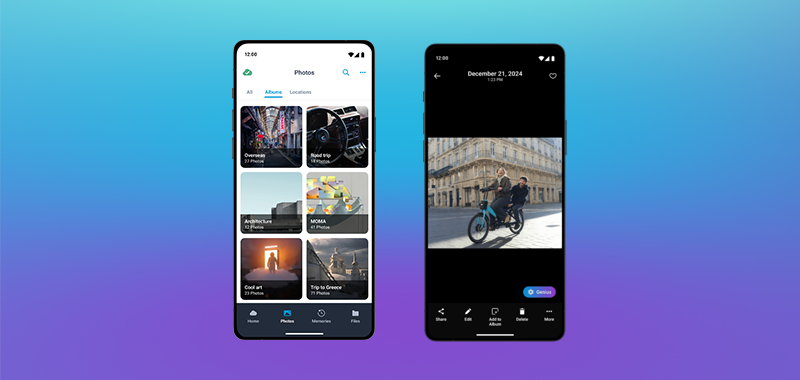
There are two buyers in this arrangement, with different anxieties. The subscriber worries about losing photographs. The operator worries about losing the subscriber. Synchronoss connects them through white-label personal cloud software: backup, restoration, synchronization and sharing that a provider can offer under its own brand. Verizon, AT&T and SoftBank are publicly named customers. The consumer may recognize the service without recognizing its supplier.
That position matters. Apple and Google already occupy familiar places in people’s digital lives. Synchronoss gives another familiar institution, the phone company, a cloud product of its own. Its pitch centers on cross-device access, operator branding and a service the carrier can bundle or sell. It occupies a specific layer of the market: consumer storage delivered through enterprise contracts.

The problem arrived before the photos
Stephen Waldis founded Synchronoss in 2000 after working in telecommunications. An early company account describes his observation at Vertek: carriers were spending millions on high-speed networks while relying on old systems to connect customers. The expensive infrastructure had outrun the administrative machinery. Early customers included MCI and AT&T Wireless.
The company later moved into personal cloud and mobile content transfer. The underlying problem remained recognizable: help a service provider deliver something complicated without making the customer experience complicated. Moving files to a replacement phone is an unglamorous task. It is also exactly when a subscriber notices whether a service works.
Put the cloud where people already are
Capsyl makes the proposition tangible. It is Synchronoss’s turnkey, co-brandable cloud offering, supporting Android, iOS, Windows and Mac. Telkomsel introduced it in Indonesia in December 2024. Rather than leaving an app to fend for itself, the operator placed it inside an existing commercial system.
Synchronoss’s account of that rollout describes MyTelkomsel app placement, SMS invitations, push campaigns and activation through GraPARI retail stores. Selected Halo+ Lifestyle plans included 100GB without an additional charge. Paid tiers gave other subscribers a route in. The lesson is practical: put the new service where customers already buy, then make the first successful backup easy.
cloud platform
plan and stores
and shared albums
What does it cost? The answer belongs to the operator’s offer. Telkomsel’s public page lists a 30GB package at Rp9,000 for 30 days and 2TB at Rp120,000, with different data allowances. These are local retail packages, not Synchronoss enterprise prices. Bundling is part of the product’s appeal: storage can become a benefit of a phone plan rather than another purchase to evaluate.
Too many businesses, then one
The strategy has a less tidy corporate history. In November 2023, Synchronoss announced the sale of Messaging and NetworkX to Lumine for consideration of up to $41.8 million. It described the transaction as a way to improve its capital structure and concentrate on cloud. Former CEO Jeff Miller later told Lumine that a diverse product portfolio had made the company difficult for investors to understand.
By April 2026, his successor Pat Doran was equally direct about the accumulated sprawl:
“We needed to simplify and refocus on what we do best”
Pat Doran · Lumine acquisition interview · April 2026
The earlier transaction also provided a rehearsal for a larger decision. Doran said the 2023 experience gave Synchronoss confidence in Lumine’s willingness to preserve business autonomy. In February 2026, Lumine completed its acquisition of Synchronoss at an implied equity value of approximately $116.4 million and enterprise value of $258.4 million. This was a change of ownership, not a venture funding round.
Doran, who joined Synchronoss in 2002, became CEO in March 2026. In his account, customer continuity was the central condition for choosing an owner: the product needed continued support and investment. For a business entrusted with personal archives, that concern makes sense. A cloud service asks people to believe their files will still be available long after the excitement of signing up.
Recurring is not automatic
The narrowed business showed progress in 2024: revenue reached $173.6 million, up 5.7%, and operating income was $21.7 million after an operating loss the previous year. Recurring revenue represented 91.2% of sales. That is a useful business shape for software that quietly keeps working after the initial installation.
Recurring describes the revenue mix. It does not guarantee growth.
In the third quarter of 2025, revenue fell to $42 million from $43 million a year earlier, despite a higher recurring share. Management cited delayed new customer signings and weak subscriber growth at some customers. The dependency is clear: a carrier relationship opens the door, but subscribers still have to walk through it. An operator that cannot promote, activate or sustain usage may get little from an additional cloud offering.
The album has to earn another visit
The product increasingly gives users reasons to return before disaster strikes. Genius adds AI photo editing and enhancement. Personal Cloud 26.9 introduces Shared Albums, including authenticated access for non-subscribers, alongside a redesigned home screen. Backup secures the collection; discovery and sharing make it useful today.
In May 2026, Globe selected Synchronoss for a planned branded service addressing more than 54 million customers in the Philippines. That is distribution potential, not a cloud subscriber count. The distinction captures the whole business. Synchronoss can supply the platform and a partner can supply the audience. The last step belongs to a person deciding that these particular photographs deserve another home.