Steve Weinstein has spent most of his career thinking about the moment a calm spreadsheet meets a violent sky. Florida makes that meeting unusually expensive. It is a peninsula exposed to hurricanes, a vast housing market and, for years, a legal environment that turned claims into something more combustible. Sensible people looked at this arrangement and left. Weinstein looked at it for three decades, then started an insurance company.
His company is called Mangrove Property Insurance. The name is botanical, but the ambition is architectural. Mangroves survive rough water through dense, interlocking roots. Weinstein’s version connects Florida homeowners and independent agents to an admitted carrier, claims professionals, regulators and a worldwide reinsurance market. A policy may be issued in one state. The financial promise behind it travels.
There is a pleasant contrariness to founding a Florida homeowners insurer after a run of failures and exits. Yet Weinstein’s bet is less swagger than accumulated homework. He had worked in and around the Florida market since shortly after Hurricane Andrew. He had helped launch and oversee insurance companies, watched catastrophe models mature, and sat close to the machinery that spreads hurricane losses across global balance sheets. When Florida enacted legal and regulatory reforms, he believed the equation had changed enough to act.
“Florida is simultaneously the most challenging and the most exciting market in the world for insurance.”Steve Weinstein
The favorite client becomes a career
Weinstein began as a corporate lawyer in New York. Hurricane Andrew had struck South Florida in 1992, exposing just how badly the market had underestimated a major storm. New insurers formed in Bermuda to absorb catastrophe risk. His legal clients were among them. RenaissanceRe was his favorite, he later recalled, and in 2002 the client became his employer.
He stayed for 19 years, eventually serving as executive vice president, group general counsel, corporate secretary and chief compliance officer. The titles sound legal; the education was broader. His remit covered law, regulation, government affairs and compliance around the world. He also chaired the RenaissanceRe Risk Sciences Foundation, working at the seam between climate research and financial risk.
This was the long apprenticeship behind Mangrove. Insurance founders must make promises about uncertain futures. Lawyers ask whether those promises are precise. Regulators ask whether they are sound. Reinsurers ask what happens when many promises come due together. Weinstein spent two decades hearing all three questions in the same building.
He had also moved. In 2001, Weinstein and his wife, Anne Carmignani, left New York City for Bermuda. The shift from a Manhattan office to an island in the deep Atlantic changed the scale at which he thought about climate. Weather was no longer an abstract line item. The ocean was visible, immediate and scientifically legible.
An island, an ocean and a wider definition of risk
Bermuda became more than an efficient address for reinsurance. Weinstein joined the board of the Bermuda Business Development Agency in 2016 and was elected chair in 2020. He joined the Bermuda Institute of Ocean Sciences board in 2019 and later chaired it. At BIOS, the family story and the professional one folded neatly together: his two children, both born in Bermuda, studied coral and looked for turtles through its programs.
His interest was practical. After Andrew, Bermuda’s new catastrophe companies had found scientists at BIOS and helped establish the Risk Prediction Initiative. Academic work offered insurers an independent way to test their understanding of storms. Weinstein wanted that bridge extended into climate-risk finance, with scientists, investors and entrepreneurs exchanging harder questions and better data.
“Science needs to be in the boardroom” became a recurring theme in his public conversations. He speaks of science and analytics beside creativity and passion, an unusual quartet in a business that can mistake precision for certainty. Models organize uncertainty; they do not repeal it. The operator still has to decide what to insure, at what price, with whose capital and for how long.
A local promise with global roots
The design is concentrated at the customer end and diversified behind the balance sheet.
That helps explain why Florida, of all places, tempted him. The weather risk never left. The man-made risk, as he calls the state’s history of abusive litigation and claims practices, appeared to be moving after reforms. Homeowners still needed options. Independent agents needed stable carriers. Reinsurance relationships built across a career could support a new balance sheet. Timing, need and experience finally occupied the same square.
Putting capital, time and name on the table
Mangrove began writing admitted homeowners business in January 2025. It received an A Exceptional financial stability rating from Demotech and approval to assume policies from Citizens Property Insurance, the state-backed insurer of last resort. Weinstein was clear that takeouts were an opening, not an identity. He wanted voluntary business through independent agents and a permanent Florida franchise.
He also wanted alignment. Mangrove’s carrier, managing general agency and supporting affiliates sit under one roof. The company works with outside agents and claims professionals, but the stewardship of the carrier and the oversight of policyholder promises remain connected. In a market where structures can become a thicket of incentives, this is Weinstein’s attempt to keep the roots visible.
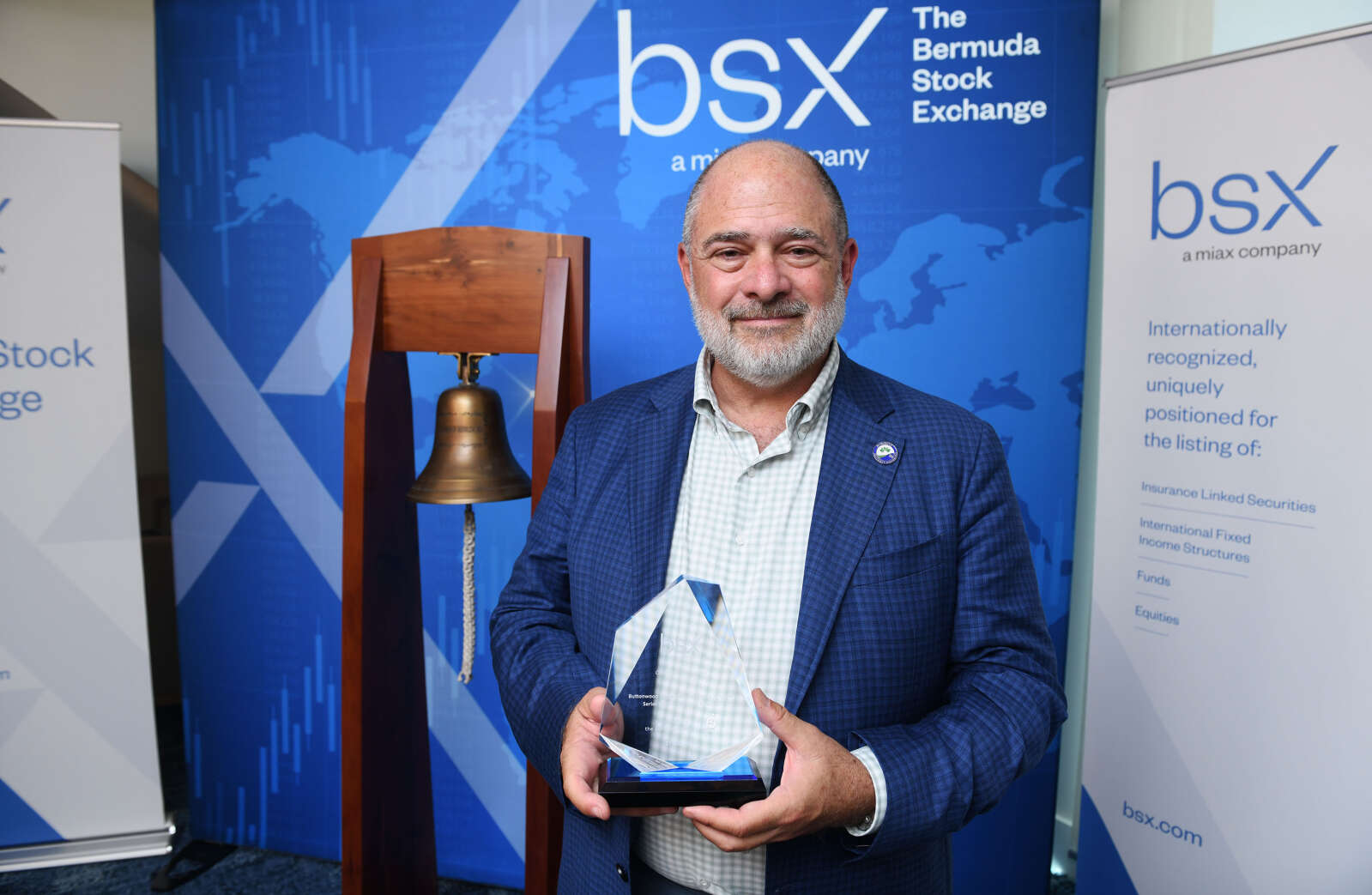
Mangrove’s first reinsurance program brought in more than 30 global reinsurers. In 2026, the company added Buttonwood Re, a $111 million catastrophe bond with four tranches. One tranche covered aggregate losses from a third and fourth event in the same season, a new structure in that market. Investor demand was strong enough, Weinstein said, to support three times the final amount.
He chose not to take all that money. Mangrove wanted to preserve capacity shared with traditional reinsurers. More pointedly, it structured protection so policyholders would remain fully covered for a second event even if the bond attached on the first. Financial engineering is often admired for cleverness. Here the interesting choice was restraint: use the cheaper instrument without allowing it to quietly narrow the customer’s protection.
“We didn't use the cat bond to reduce the protection our policyholders get.”Steve Weinstein
By August, Mangrove had established Grove Re, its wholly owned Class 3A reinsurer in Bermuda. The vehicle added another tool for long-term risk transfer and left room for third-party capital later. Florida was the market. Bermuda was the risk laboratory, regulatory home and professional community that had shaped Weinstein’s career.
Choose risk with discipline before growth makes choices for you.
Keep agents, claims teams, regulators and capital providers in the same operating picture.
Use reinsurance and capital markets to keep a local promise through a peak event.
Build for the next storm season, but design the company to remain after many of them.
The permanent-player test
The launch window has already begun to close. Citizens takeout opportunities are less abundant. Agents have more carriers to choose from. Reinsurance pricing has softened. Weinstein says he welcomes the competition because healthy rivals improve the market and make Mangrove better. This is gracious, certainly, but also strategic: a company designed only for scarcity becomes less interesting when supply returns.
Mangrove now has to prove itself in ordinary time and extraordinary weather. It must serve agents when no storm is forming, handle claims when one does, and protect its balance sheet when a season refuses to stop at one event. The work is operational, repetitive and largely invisible until the day it is all anyone can see.
Weinstein’s public style offers a clue to how he approaches that task. He is willing to discuss the plumbing: capital structure, market conduct, aggregate tranches, regulatory oversight. He is equally willing to talk about coral classes, ocean data and the affection he feels for Bermuda. His career has been an exercise in connecting rooms that often prefer their own vocabulary.
The founder lesson is easy to steal and hard to imitate. Wait for a problem where your history compounds. Know which changes alter the odds and which merely change the mood. Assemble partners before the weather turns. Then make the promise simple enough for a homeowner to understand, even if the machinery behind it spans half the world.
A mangrove does not defeat the sea. It makes a place more capable of meeting it. Weinstein’s company now faces the less poetic version of that idea: policies, claims, renewals, capital and trust, repeated season after season. Florida will provide the test. It always does.