The first product was a little too much like homework. Jessica Herrin's early jewelry venture offered kits so customers could make pieces themselves. The premise sounded sociable enough: invite friends, put out beads, leave with a necklace. At actual gatherings, a more useful truth appeared. People liked jewelry. They were less keen on making it. Finished pieces sold better, and the business that became Stella & Dot followed the customer out of the craft session.
- Stella & Dot sells fashion jewelry and accessories online, with ambassadors earning commissions for referred purchases.
- The early engine was the trunk show: a host's friends tried on pieces while an independent stylist handled the sale.
- A 2014 stylist kit cost at least $199. Today's ShopMy ambassador program lists a $0 joining fee.
- The model works when the recommendation feels useful and the piece is good enough to survive the party.
The moment the beads lost
Herrin had already helped build WeddingChannel.com when she started Luxe Jewels from home. She wanted a business that women could fit around their lives, and jewelry seemed unusually suitable: small enough to carry, personal enough to discuss, visible enough to try on in a friend's mirror. She held early trunk shows while pregnant with her first daughter. The company later took the names of two grandmothers, Stella and Dot. The name was sentimental; the test was practical.

The DIY kits exposed the gap between an appealing pitch and a real shopping occasion. A guest at a party may enjoy choosing a necklace. Asking her to manufacture one turns a purchase into a project. By 2006, Herrin was concentrating on ready-made jewelry. Blythe Harris joined in 2007, bringing a designer's eye to a business whose distribution method could attract a crowd but could not excuse an uninteresting product. The lesson is blunt enough to borrow: watch which part of an experience people actually pay for.
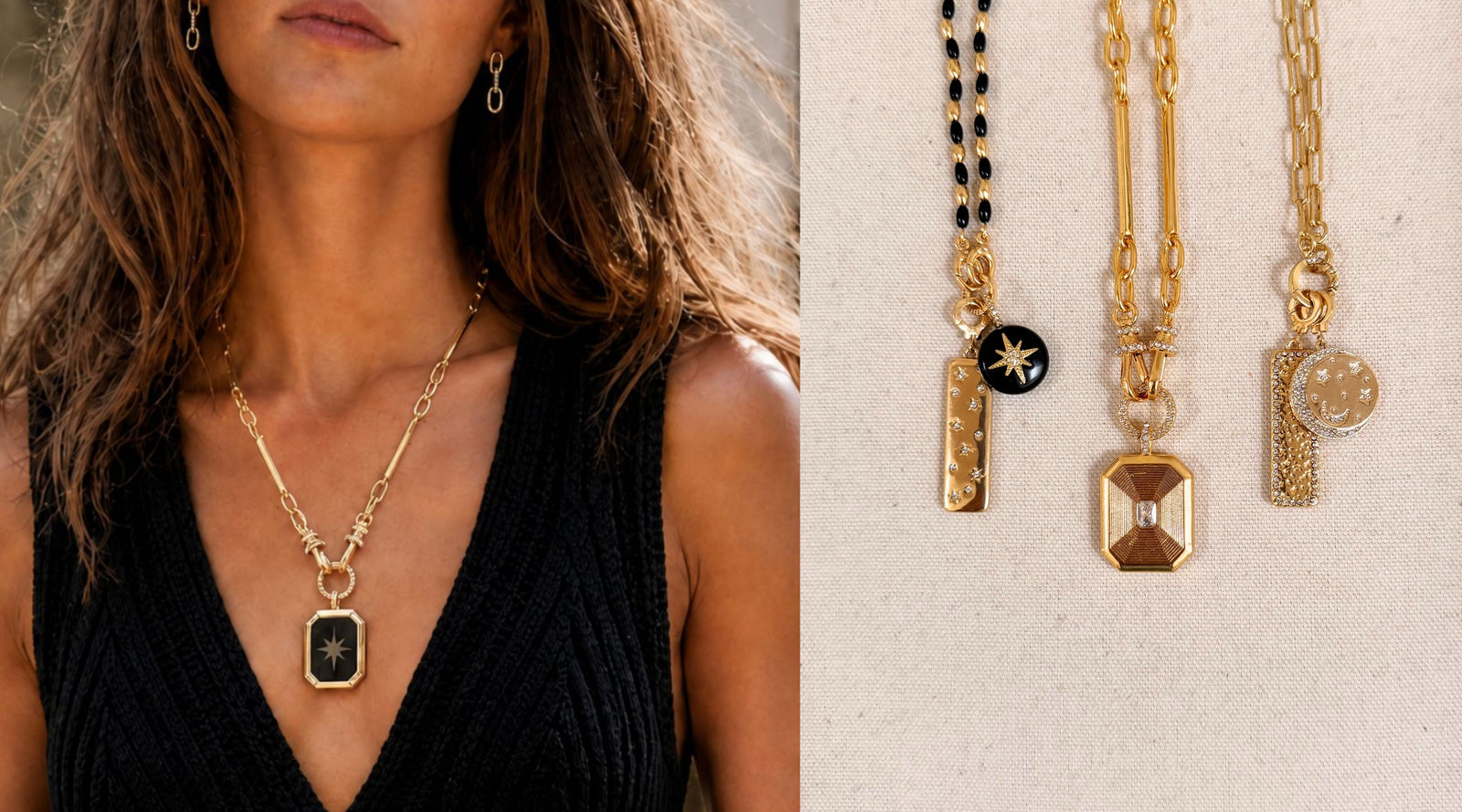
A shop inside somebody else's home
The old Stella & Dot transaction was a small piece of theater. A host invited friends. A stylist brought samples. Guests tried on jewelry and placed orders, while the host could earn product credit. The company designed and supplied the pieces, supported the stylist with selling tools, and earned revenue from the purchase. It was direct selling dressed in better lighting, a useful distinction when so many catalog businesses made shopping feel like an obligation.
There were costs, and they mattered. A 2014 report put the minimum U.S. starter kit at $199. At the time, stylists were said to earn roughly 30% commission and, on average, about $2,400 a year. Those are period figures, not an invitation to treat a side business like a salary. The report also counted more than 18,000 active stylists in five countries and $220 million in sales for the prior year. One network could scale a brand; an individual seller still had to persuade a real customer to buy a real item.
“By focusing our trunk shows on ready-made jewelry only, stylists boosted sales and earnings.”Jessica Herrin, in a Stanford GSB interview
The growth attracted Sequoia Capital, which invested a reported $37 million in 2011 at a reported $370 million valuation. Venture money was a striking addition to a business associated with bracelets and living rooms. Yet the investment case was legible: an expanding sales network, repeatable parties, and software that gave individual sellers storefronts and material to share. What looked like a jewelry company was also a way to route personal recommendations into orders.
These figures describe different years and different versions of the program.
The link replaces the living room
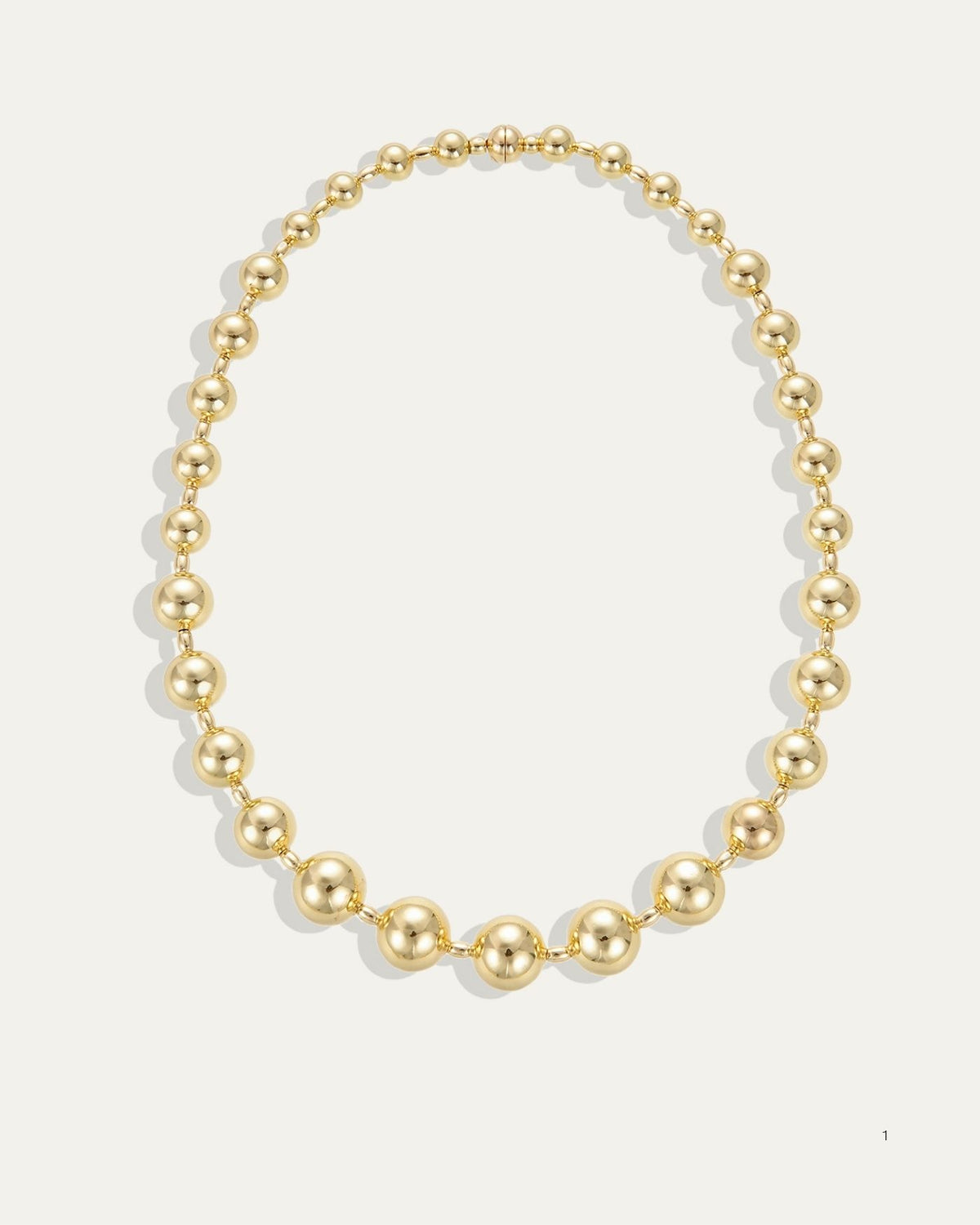
The current site is an ordinary store until the social layer comes into view. Customers can browse necklaces, earrings, bracelets, rings, charms and chains without knowing an ambassador. They can join a $40-a-month Style Club that offers store credit, a 10% discount and early access to collections. Wholesale buyers can apply separately. Those are conventional retail moves. The less conventional move is that a person who likes the products can become a paid path into the store.
In January 2026, Stella & Dot began moving its ambassador program to ShopMy. The company lists a free signup, shoppable links and collections, performance tracking, and stated commissions of 35% on first-time customer sales and 20% on repeat sales. Its help page describes a 30-day attribution window, subject to the last ambassador link clicked, and a customer code that can also register a sale. That is a sharper account of the old question: who made this purchase happen?
For a shopper, this can be helpful when a friend explains which earring is reversible or how a chain layers with a pendant. For an ambassador, it removes the old kit purchase and the need to keep samples at home. For the company, commissions make customer acquisition an expense tied more closely to a sale. It also trades some of the distinctive intimacy of a party for the reach, and noise, of a feed.
Where the sparkle met arithmetic
Scale did not make every market profitable. Stella & Dot announced in 2019 that its European operation, once profitable, was losing money; it closed that stylist business after citing the weaker pound and euro and an uncertain market. That is the sobering chapter in a story often told as effortless community growth. A recommendation network still sits on shipping, currency, inventory and support costs. If those outrun the orders, charm cannot balance the account.
The company has also changed its corporate shape. Its former sister skincare brand EVER was acquired by Forum Brands, after which Stella & Dot said it would again stand alone. The jewelry brand says its community has earned more than $500 million in commissions and that it has contributed more than $10 million to charitable causes. Those are cumulative company claims, useful as a measure of ambition rather than a forecast for the next person who signs up.
The same caution applies to sustainability claims. Stella & Dot says its pieces are made with artisans in safe workplaces and that its packaging uses recycled material. Those statements tell shoppers what the company says it aims to do. Anyone buying on that basis should pay attention to the specific piece and its materials, just as they would with any other fashion brand.
What the next seller can steal
The transferable idea is smaller than the company. Start with an item people already want. Put it in a setting where someone can see it used. Make the recommendation easy to act on, and make the economics visible to the person doing the recommending. Stella & Dot's first mistake was to ask customers for labor when they wanted adornment. Its enduring insight was that jewelry sells differently when a person, rather than a shelf, introduces it.
That approach has limits. A weak product will exhaust a strong network; a saturated social circle tires of pitches; commissions can eat margin; and international growth can turn an attractive order into an expensive one. In its current form, Stella & Dot is one participant in a crowded field that includes conventional jewelry retailers, independent makers and creator storefronts. Its special claim is historical: it learned to make shopping social before every shop had a share button. Now it has to make the link feel as welcome as the invitation once did.