The fuel score told Nussbaum Transportation who was doing well. It was considerably less helpful about why. In 2015, the trucking company wanted to improve fuel economy by changing driving habits. Its existing scorecard recorded an outcome. Asking a driver to improve that outcome, without identifying the habit behind it, left a rather large gap in the conversation.
- Solera connects fleet operations: routes, drivers, vehicles, trailers, and safety.
- Its six-brand portfolio combines software, connected devices, and services.
- The useful lesson: measure a behavior, explain the system, then coach.
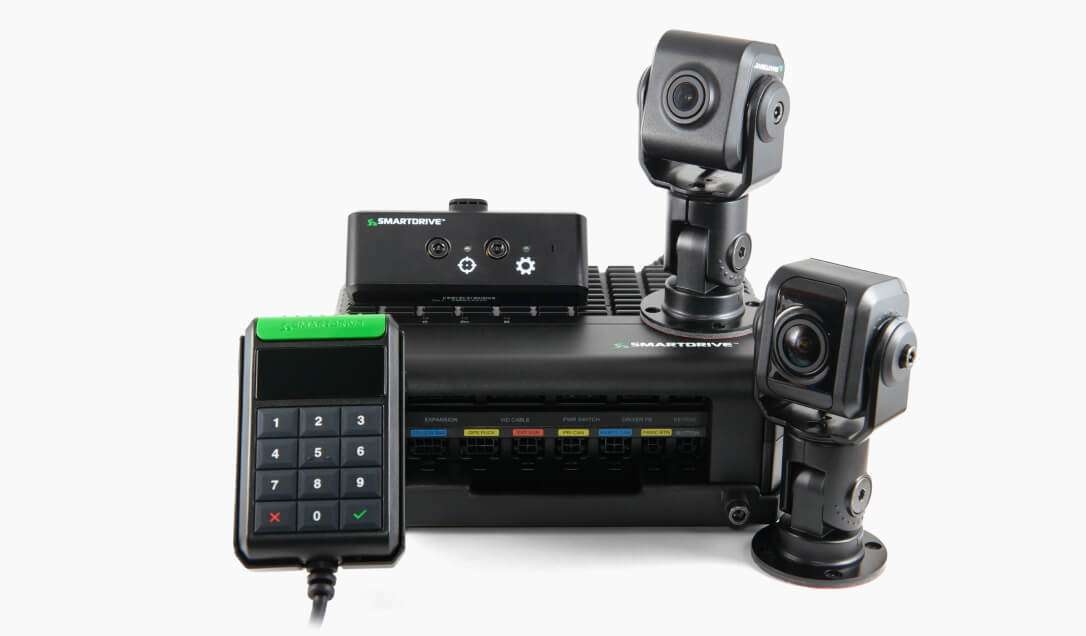
SmartDrive offered Nussbaum a different set of measurements: vehicle data tied to recorded events. The company collected three months of observations and built a scoring system around speed, smoothness, throttle use, and following space. Now a manager could discuss something a driver could actually change. Nussbaum earned Commercial Carrier Journal’s 2017 Innovator of the Year recognition.
That small shift, from a score to an explanation, is a useful way into Solera Fleet Solutions. The business sells ways to connect what happens in a commercial vehicle with what people decide in an office. Its proposition becomes interesting when a location, a video clip, and a delivery plan can inform the same decision.
A company assembled around the trip
Solera Fleet Solutions is a collection of specialist businesses inside Solera’s wider vehicle software group. Omnitracs handles much of the operational machinery: routing, dispatch, driver workflows, and electronic logs. SmartDrive supplies video safety and coaching. Spireon tracks vehicles and trailers. SuperVision monitors driver license information. Sylectus supplies transportation management and a load board. eDriving addresses driver risk and training.
The customers are the people responsible for keeping commercial fleets productive: trucking carriers, private fleets, distributors, and delivery operators. Published customer stories include Merchants Foodservice, which used Omnitracs and SmartDrive separately before their combination. A food delivery dispatcher and a long-haul safety manager have different workdays. Both need information that arrives in time to change an outcome.
The portfolio’s history explains its range. Roadnet began building routing and scheduling systems in 1983; UPS bought it in 1986. Roadnet later moved into Omnitracs. Solera acquired Omnitracs in 2021 and Spireon in 2022. What looks like one software proposition carries decades of separate product histories, customer relationships, and operating habits.
There is practical depth here. Omnitracs can help plan routes and manage proof of delivery. FleetLocate can reveal where a trailer is and its status. Sylectus connects shipment management with opportunities to exchange loads. Drivewyze appears in the partner network for weigh-station bypass. Solera’s expertise stretches across decisions made before, during, and after a trip.
The camera comes with a conversation
SmartDrive’s particular emphasis is the combination of machine detection and human review. Cameras and vehicle signals identify events; reviewers assess the context; managers receive material for coaching. A recording may also help defend a driver after an incident. The product includes a process for deciding what deserves attention.
At Nussbaum, introducing that process meant talking to drivers before mounting cameras. The company described individual calls, written communication, and another conversation during installation. Its vendor case study reports that only one driver among more than 300 elected not to participate. It also reports a nearly 73% improvement in the fleet’s crash-indicator CSA BASIC score. Those are historical, customer-specific results.
“Transparency and open communication are who we are as an organization”
Jeremy Stickling / Nussbaum Transportation
The phone calls are worth borrowing. A camera creates questions about trust and judgment. Explaining how evidence will be reviewed, how coaching will work, and what drivers can expect belongs in the rollout. The inference for buyers is straightforward: installation time and management time should both enter the purchasing calculation.
The technology keeps moving. Solera announced SmartDrive’s integration into its Fleet Platform in April 2025, followed by its SR5 AI-powered camera announcement that October. In May 2026 it introduced Pedestrian Collision Warning, using computer vision and vehicle information to support audible warnings and reviewable events. Delivery yards and urban routes are among the intended settings.
The price of joining things up
The commercial model combines software subscriptions, devices, and services. Buyers assemble a proposal with sales around their requirements. The relevant cost question extends beyond a camera: which modules, installation work, connectivity, review services, and staff responsibilities are included? A useful demonstration should follow an actual operational task all the way through.
Acquisition has also been expensive. Solera’s 2024 filing records $776.3 million of purchase consideration for Spireon. The same filing shows Fleet Solutions revenue declining from $600.5 million in fiscal 2023 to $561.6 million in fiscal 2024, citing customer attrition and unrenewed Omnitracs contracts. Owning a broad portfolio leaves the everyday work of keeping customers.
Solera competes in a crowded market. Samsara also offers routing, telematics, compliance, and cameras. A buyer should compare the quality of a particular workflow, the required hardware, integration with existing systems, and support arrangements. Solera’s distinguishing proposition is the combination of established fleet specialists with managed safety review. Breadth matters when the connections save work.
First, make one decision better
A sensible starting point is narrow: a repeated routing exception, an underused trailer, or a driving behavior that coaching could address. Establish a baseline, agree who acts on the information, and check the result. This is an editorial takeaway from the customer stories. It also gives a software demo a much better script.
A small operation needing only occasional location checks may have little use for the wider portfolio. A fleet without time for coaching may collect footage without changing habits. Solera’s promise depends on people being able to act on the information. Nussbaum’s original problem offers the test: after looking at the screen, does anyone know what to do differently?
Take it for a closer look
Explore the products, the people, and the moving pictures.