Imagine standing outside a ski hotel in the rain. Your phone shows a little grey cloud. Above you, somewhere beyond the roofs and the lift cables, the same storm might be laying down fresh snow. The phone has answered a question about the weather. It has left the useful question unresolved: what is happening where you intend to ski?
- Forecasts for the bottom, middle and top of around 3,300 ski destinations.
- Free tools alongside paid SnowPro forecasts, maps and alerts.
- Webcams and local reports help you check what actually arrived.
Snow-Forecast has organised its product around that gap. Open a resort forecast and elevation becomes something you choose. The difference looks modest on a screen. For somebody deciding whether to drive, book a room or take a lift, it can change the entire plan.
First, ask a smaller question
The founding team brought unusually relevant training to this problem. Robert Davies has an Oxford doctorate in geophysics and experience in remote sensing. Rob McDonald holds a Cardiff geophysics doctorate and assembled the original resort database. Nick Russill handled the commercial work, publicity and industry relationships. Their public biographies also contain snowboarding, surfing and, in Davies’s case, exploratory caving. These were people with both a technical interest in terrain and a personal reason to watch it.
The company dates its beginnings to 1997. Its early project involved New Zealand snow maps. The underlying insight was practical: a place name alone tells you too little about mountain weather. Snow-Forecast’s documented approach combines global forecast inputs with terrain and elevation information. The homepage now offers separate views for top lift, mid-mountain and bottom lift, updated four times daily.
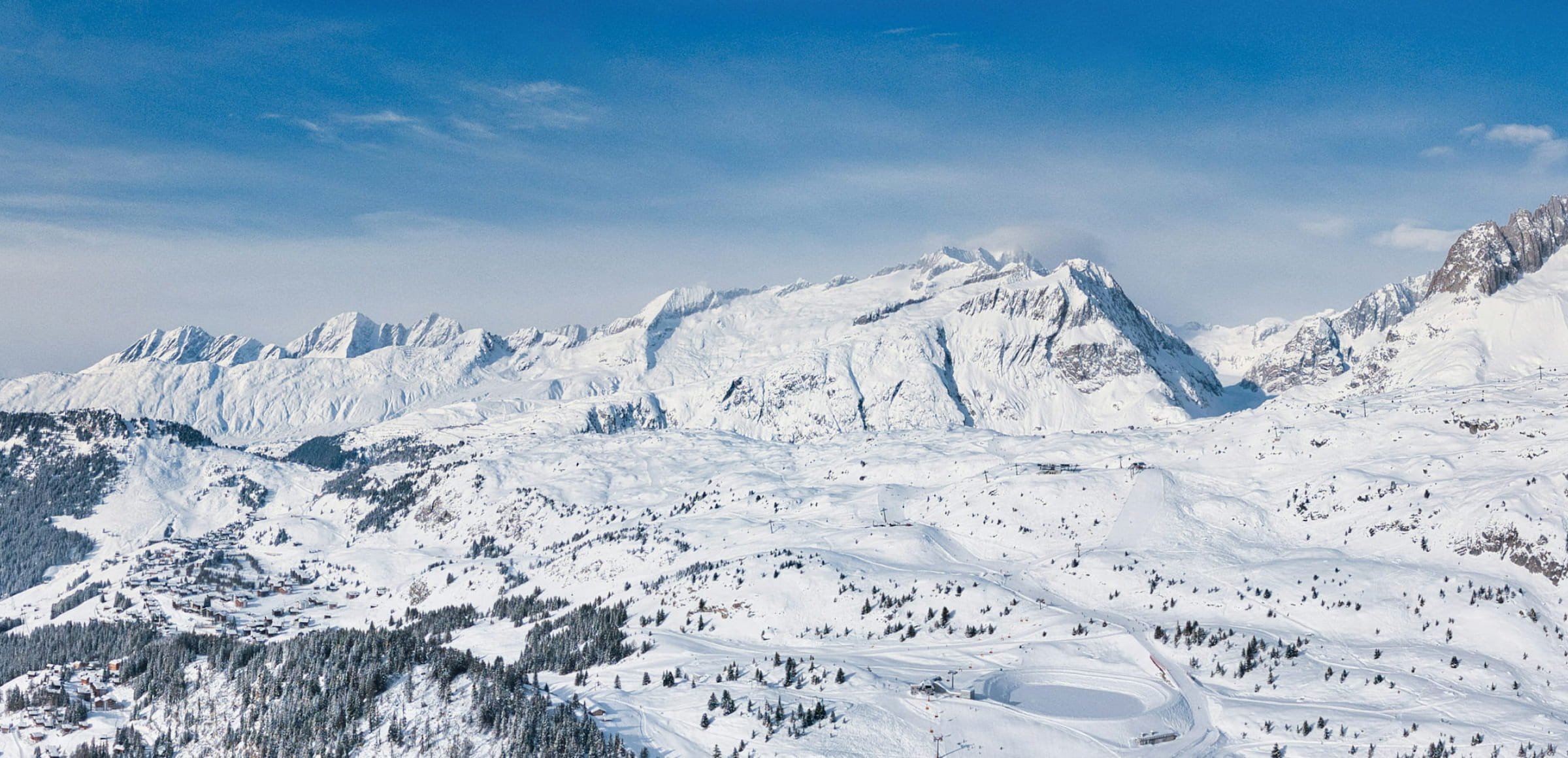
That is also a useful product lesson. A specialist service can earn attention by identifying the variable a general summary leaves out. Here, altitude is part of the question from the beginning. The customer does not have to translate a town forecast into an educated guess about a mountain.
The server bill arrives in every season
Attention presented a second problem. In its FAQ, the company describes two difficult seasons trying to generate advertising revenue. It subsequently adopted subscriptions for longer forecasts and specialist services. Subscribers helped pay for servers, bandwidth and development. The founders had found something people wanted to read. They still needed a way to keep delivering it.
Today the service offers a free entry point and a paid tier called SnowPro. Its membership page advertises access from £5.99, €6.99 or $7.99. That headline does not specify a billing period; the selected checkout plan matters. Premium benefits include hourly forecasts, a 16-day outlook and browsing without banner advertising. Website and app access connect through a shared account.
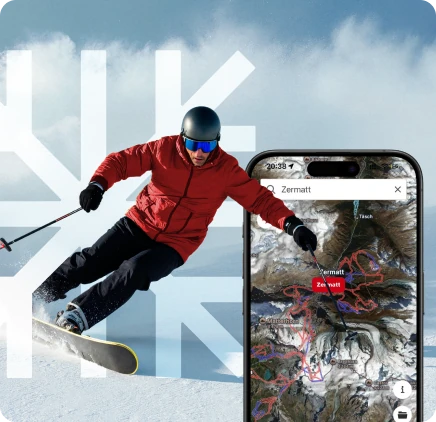
For the business, the distinction is consequential. An occasional visitor can check conditions without buying anything. Someone repeatedly watching a group of resorts has more reasons to subscribe. That is an interpretation of the product’s design, rather than a claim about conversion rates. The pricing ladder follows different levels of attention to the same mountain.
The person looking out of the window
A forecast describes what might happen. Skiers also want to know what did happen. Snow-Forecast places model output alongside webcams, resort reports and observations from local ski clubs, staff and users. The result gives travellers several ways to examine a decision before committing to it.
The company’s “eyeball reporter” programme recruits people near resorts, including ski schools, shops and hotels. Businesses can receive a link in exchange for regular observations. That is a tidy exchange: the site gets local information, while a local operator gets visibility among people already interested in the resort.
“What the weather is like at the base of a mountain is very different than the top.”Chess Bud, App Store review, January 2025
There is a business-facing product here, too. A chalet or tourist office can embed a free forecast widget, provided it preserves the link back. XML and JSON feeds allow forecast data to fit another website’s design. Printable forecasts suit a reception desk. Distribution can mean reaching the traveller through the business already hosting them.
A bigger family, a familiar decision
The operator adopted the legal name Meteo365 in March 2025. Its wider family includes Mountain-Forecast, Surf-Forecast, Tide-Forecast and Weather-Forecast. An Outside+ partnership adds another route to the paid tools: members can sign in with their existing credentials. This is a membership benefit; it does not establish an acquisition.
Snow-Forecast occupies a busy market. OpenSnow combines mountain forecasting with local expert analysis and weather maps. OnTheSnow offers resort snow reports, depth comparisons and webcams. Snow-Forecast’s particular appeal is the combination of worldwide resort coverage, explicit elevation choices and tools for comparing a trip’s possibilities in one place.
The practical value lies in comparing options before a trip hardens into a booking. A flexible traveller can inspect several resorts; someone with a fixed destination can watch how the different elevations change. The same information serves two decisions: where to go, and what to expect when the destination is already settled.
It remains a prediction service. Snowfall amounts can vary locally, and an extended outlook cannot promise conditions on arrival. A sensible routine is to compare elevations, watch later forecast updates, then check dated reports and cameras. The company’s October 2026 weekly reporting continues that habit of returning to the evidence as the season develops.
For anyone building a specialist information business, there is something to copy: understand the decision closely enough to organise the information around it. That approach needs customers who care about the distinction and return often enough to support the service. On a mountain, those customers have a particularly clear incentive. They want to know whether the rain outside the hotel is hiding a better day uphill.