Picture an eBay seller with three sold objects on the kitchen table. Each needs a box, padding, a label, a price, and a trip to a carrier counter. Shyp’s promise was to make the entire pile disappear with a photograph and a pickup request. The customer kept the sale. Shyp inherited the chores.
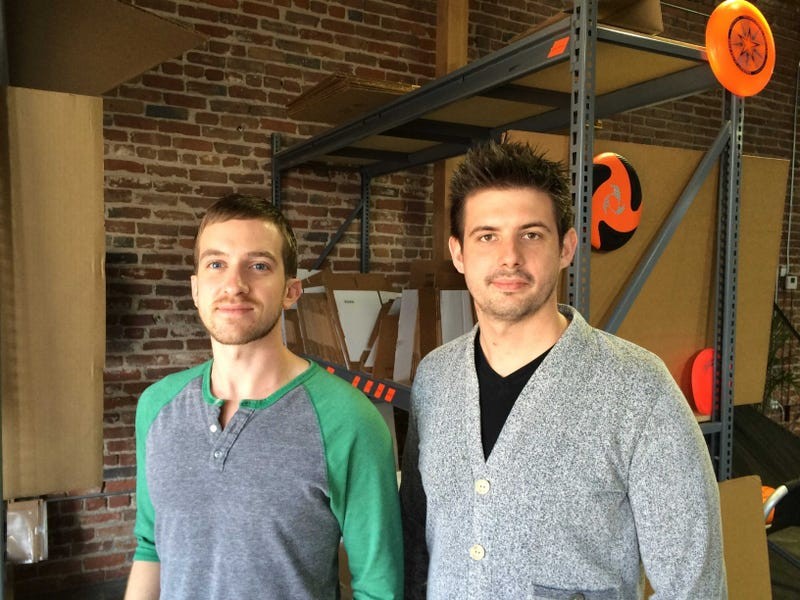
The San Francisco company was founded in 2013 by Kevin Gibbon, Joshua Scott and Jack Smith. Gibbon and Smith had sold on eBay themselves. They knew the peculiar insult of a successful online sale: after the exciting part, the seller becomes a one-person shipping department. Shyp offered to be that department for ordinary people and small businesses.
- Shyp collected unpacked items, packed them, and sent them through major carriers.
- The launch price was a $5 pickup fee plus postage; later fees became more varied.
- Frequent online sellers turned out to be its most promising customers.
- The company closed on March 27, 2018, after a late retreat to one city.
One tap, several very real jobs
The app made the front end almost comically simple. Take a picture of the item, add an address, choose a speed, and request pickup. A courier arrived, scanned the item into Shyp’s system, and carried it away. Behind the screen, couriers gathered packages, vans moved them to a central facility, workers weighed and packed them, and software chose among carrier options. The customer bought relief from a sequence of small irritations. Shyp built a small factory to provide it.
At its 2014 San Francisco launch, Shyp charged $5 for pickup plus postage. It could profit from the difference between retail shipping rates charged to customers and discounted rates negotiated through volume. That was the business model in its neatest telling. The less neat version included couriers, local vehicles, materials, facilities, and all the odd shapes people decide to mail. A book and a television cannot be packed at the same cost.
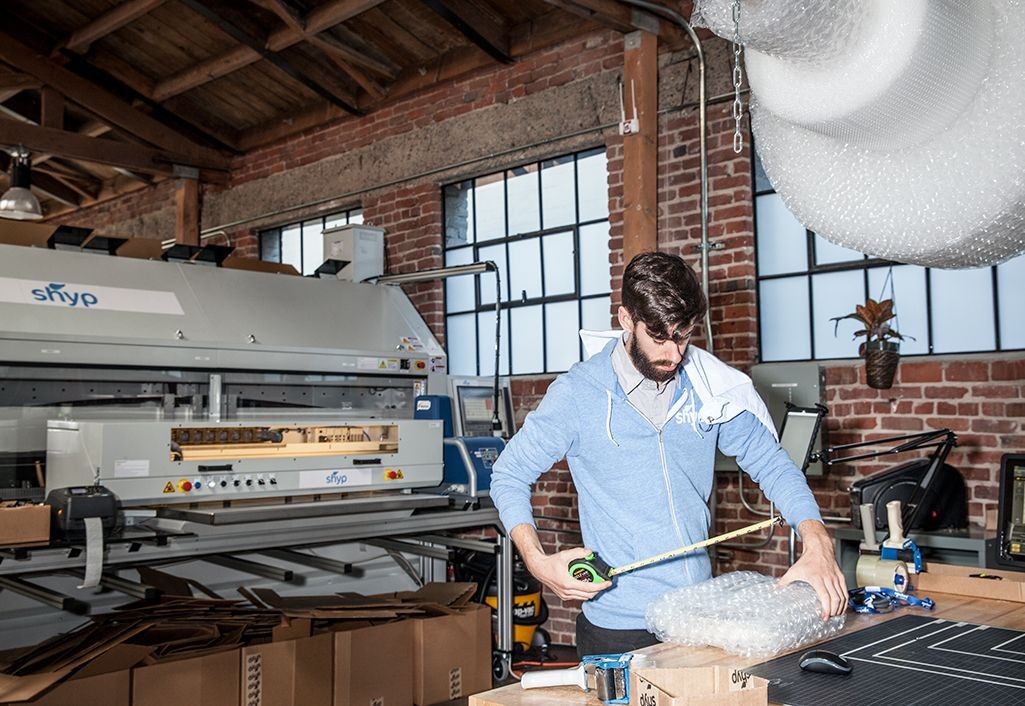
Shyp’s difference from printing a label at home was physical. It took possession of the object before the object was ready to ship. That made the service useful to the person who dreaded finding a box. It also meant the company could not simply behave like shipping software. The cost of each promise had to be paid on a street and a packing floor.
The customer who came back on Tuesday
The original pitch appealed to anyone with a parcel: a birthday gift, an awkward return, an item sold online. Shyp launched on iPhone, added Android in 2015, introduced Shyp Returns, and expanded beyond San Francisco. A $50 million Series B led by Kleiner Perkins arrived as Los Angeles service began. By then the company had roughly $62 million in funding and an invitation to think nationally.
But a person sending a holiday gift may not send another parcel for months. An eBay seller can ship today, tomorrow, and after lunch on Friday. Shyp’s founders had built a product for the general public around a pain they knew from selling. The sellers were the more revealing test of what the product was worth.
In December 2015, Shyp connected eBay accounts to its app so a seller could see recently sold items and request pickup. In 2016 it removed a cap that had limited business pickups to 20 packages. Some customers had been opening multiple accounts to work around the limit. That is unusually clear product feedback: people were inventing a clumsy way to buy more of the service.
“Eventually, a different set of numbers presented themselves that changed my mind: the frequency at which eBay sellers were using Shyp.”Kevin Gibbon, 2018
Gibbon later said online sellers and similar small businesses supplied more than half of Shyp’s revenue. He also said the shift raised revenue per transaction by 150 percent. That was a substantial change, but it was not proof that the entire company had become profitable. The company still had a city-spanning operation built during a period when customer growth had carried more weight than unit economics.
The map was the first thing to go
A service like Shyp has a geographic appetite. Short courier trips, full vans, and busy packing stations improve the economics; scattered demand does the opposite. Opening in a new city means assembling that system before the city can repay it. In 2017, Shyp withdrew from markets outside San Francisco and reduced staff. The company moved its attention to higher-volume business customers in the city it considered its largest and most profitable.
Its pricing also grew up. Packaging and returns acquired more specific charges, acknowledging that some jobs cost more than others. Gibbon said the smaller San Francisco operation was effectively breaking even by December 2017. That late result carries the tragedy of the story. Shyp had discovered a tighter customer, a tighter geography, and a more honest price, but it did not have enough runway to keep building.
On March 27, 2018, Gibbon announced an immediate shutdown. His account was unusually direct: Shyp had chased growth, kept popular but unprofitable consumer products running after the business opportunity became apparent, and changed course too late. The later San Francisco improvement could not erase the earlier spending. Customers had a service they loved; the company had a clock it could not reset.
The useful part of the story
Shyp was never merely a cautionary tale about a cheap pickup. It demonstrated that the first mile of shipping is a real product: collection, packaging, and carrier choice have value, especially to people who do them every day. Its app reduced the customer’s work. Its packing operation created expertise in the messy details, from box dimensions to carrier rates. And its eBay integration showed how that expertise could fit inside a seller’s existing workflow.
The copyable lesson is practical. Find the customer who repeats the job, measure the whole cost of serving that customer, and prove one local operation before duplicating it. Bundle pickups where possible; price an awkward object differently from a paperback. Software can make the request simple, but street density and packing costs decide whether the service lasts.
This model is weakest where shipments are rare, pickups are far apart, objects vary wildly, or customers will not pay for the labor they avoid. Shyp’s own experience suggests a better starting point: a seller with tomorrow’s parcels already waiting by the door. The photo was a lovely trick. The repeat order was the business.