The bathroom is a small room with a remarkable talent for becoming a large problem. A homeowner sees tile, a sink and perhaps a shower door. A contractor sees waterproofing, plumbing, permits, demolition, deliveries and the alarming possibility that the wall is keeping secrets. Made Renovation, founded in San Francisco in 2019, proposed to stand between those two views. It would sell the finished room and take charge of the tangle that made the room possible.
- Roger Dickey and Sagar Shah built a managed bathroom renovation service for homeowners.
- Customers chose from templates or paid for custom design; Made coordinated materials, permits and outside builders.
- It raised $32 million and said it was selling more than $50,000 in projects a day in 2021.
- After customer complaints, it announced a wind-down in 2023 and filed for Chapter 7 in 2024.
Dickey had tried to get a small bathroom remodeled himself. He later said he called 30 to 40 contractors; some did not return the call, while others wanted jobs with six-figure minimums. That is the ordinary cruelty of a busy construction market: a bathroom can be an expensive undertaking for the owner and still be too little business for the builder. Made’s answer was to gather many such jobs, describe them consistently, buy materials in volume and bring a steadier flow of work to contractors.
Make the choice smaller; take the job bigger
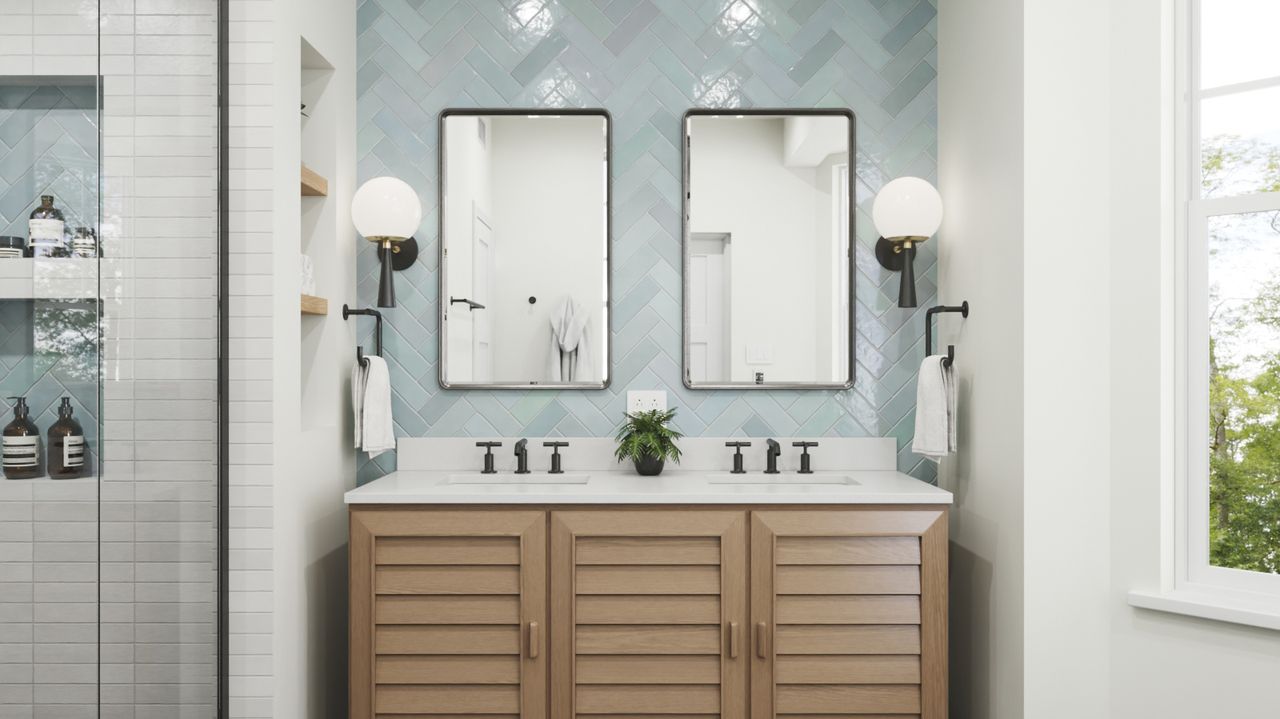
The customer-facing product began with a menu. In 2021, Made offered more than 40 bathroom styles, with custom design available at a premium. A homeowner could select finishes, receive a 3D rendering and get a price before anyone removed a tile. Behind that screen, Made said it would arrange architectural planning, permits, purchasing, storage, a contractor and project support. It was part design studio, part purchasing desk and part general contractor coordinator. Its customers were homeowners who wanted a remodel without becoming the remodel’s unpaid manager.
Every arrow is a handoff. The customer bought one service; several independent parties had to deliver it.
There was a crisp economic idea inside the aesthetic one. If similar bathrooms could be priced and supplied repeatedly, Made could spread design and procurement work across projects. Builders would see a pipeline of scoped jobs. The company said it could offer a fixed price to the homeowner and a reasonable margin to the contractor. In 2020, it reported an average project around $30,000. Architectural Digest reported 2021 projects starting around $15,000. Those figures described Made’s historical offering, not a guaranteed cost for every room.

A showroom with a one-month run
The company opened a San Francisco showroom in February 2020, the sort of place where a person could touch the materials and picture a future morning routine. Pandemic lockdowns shut it about a month later. Shah had project-managed the buildout himself. Dickey called the closure “soul-crushing” for his cofounder. Yet the setback forced a useful change: initial consultations and planning moved further online, while Made improved design renderings, project tools and a pricing algorithm that used nearly 20 inputs, including tile area and shower details.
The pivot helped the sales story. In 2021, Made said it had hundreds of projects in progress and more than $50,000 in daily project sales. It had moved from the Bay Area into Los Angeles and Seattle. It had also raised a $23 million Series A led by Insight Partners, on top of a $9 million seed round led by Base10 Partners. Jessica Alba, initially drawn to the service as a prospective customer after seeing it on Instagram, became an investor. A pretty rendering could travel a very long way.
The wall keeps its own accounts
The trouble with a fixed price is that bathrooms are not factory products. Dickey understood this from the start. In 2020 he warned that the company could not see hidden wiring or dry rot before opening a wall. Made used contract caveats for such surprises. That was sensible, but it addressed only one kind of uncertainty. A permit office can be slow. A fixture can be wrong. A builder can reject a price. A subcontractor can wait for payment. Each delay belongs to a different person, though the homeowner remembers only the name on the invoice.
By August 2023, TechCrunch was reporting accounts from customers who said the simple service had grown complicated in the worst possible way. One described an eight-month wait for a toilet and the loss of a first contractor who would not take the job at the agreed price. Another said work began six months after signing and described a demolition dispute. The publication reviewed correspondence about delays and overruns. These were reported customer experiences, not a count of every Made project; the company had earlier shared positive testimonials too. The pattern mattered because it touched the precise job Made had promised to own.
“We can’t X-ray their walls.”Roger Dickey, explaining construction uncertainty in 2020
The sharpest reported change was organizational. A customer told TechCrunch that Made had disbanded its project management team and sent him a “Self-Management Construction Support Guidebook.” A guidebook can be useful. For someone who paid to avoid managing construction, it is also a peculiar substitute. The interface had packaged the work as one purchase; the customer now had to help reassemble the pieces.
It is tempting to say the software failed, but the more useful reading is narrower. Design templates, remote consultations and structured estimates did solve parts of the buying problem. They could help a homeowner decide and give the company repeatable information. The failure appeared at the point where a plan became an obligation among suppliers, contractors, project staff and the customer. The company’s differentiator was accountability. That made operational gaps more expensive than they would have been for an ordinary listing site.
What a promised room costs
In October 2023, a letter to shareholders said Made had a potential buyer for certain assets and intended to close after a sale. A turnaround executive had replaced its officers, and the letter said cash had dwindled enough to suspend payments on past-due obligations. In October 2024, the company filed for Chapter 7 bankruptcy. The filing reported about $146,000 in assets and $19.2 million in liabilities. The beautiful catalog was no defense against that arithmetic.
What can another builder copy? Start with the small insight: a neglected job type may become attractive when demand, materials and scope are gathered in one place. Standard designs and early price clarity are useful, especially when homeowners cannot tell a serious quote from a hopeful one. Then copy the less glamorous discipline: confirm a contractor’s capacity and economics before selling a start date; track the actual material, not merely the order; keep one person responsible for a project until it is finished; and budget for the work that only demolition can reveal.
Those methods have limits. Standardization works best when rooms share layouts, permits are predictable, supply is dependable and builders can earn enough to keep showing up. It strains when hidden conditions, unusual design, local rules or thin contractor margins make every “standard” bathroom exceptional. Made Renovation’s legacy is a useful warning about selling relief. The homeowner is not buying a rendering. The homeowner is buying the right to stop worrying about who will make it real.