A bacterium needs iron. That ordinary fact gives Shionogi a rather unusual opening. Its antibiotic cefiderocol binds iron and uses the organism’s own uptake machinery to cross its outer membrane. The bacterium helps admit the thing designed to kill it. For a pharmaceutical company, this is an elegant solution to a biological obstacle. The commercial obstacle is less accommodating: how do you sustain a medicine whose usefulness depends, in part, on restraint?
- The science: Fetroja targets certain serious Gram-negative bacterial infections.
- The economics: public contracts can pay for preparedness alongside ordinary sales.
- The next move: ALS medicines and a planned rare-disease acquisition widen the U.S. business.
That question makes Shionogi Inc. (U.S.) worth understanding. The New Jersey business belongs to Japan’s Shionogi & Co., Ltd. It develops and commercializes prescription drugs, with infectious disease at its core and rare disease taking a larger role. Its customers include hospitals, prescribers and government buyers. Its ultimate users are patients whose available options can be painfully narrow.
An antibiotic with a borrowed key
Fetroja is the U.S. brand for cefiderocol, an intravenous antibiotic initially approved in 2019 and launched in 2020. Its U.S. indications cover adults with specified complicated urinary tract infections and hospital-acquired or ventilator-associated bacterial pneumonia caused by certain susceptible Gram-negative bacteria. Those qualifications matter. “Antibiotic” describes a category; the organism, infection and susceptibility determine whether a particular medicine belongs in the conversation.
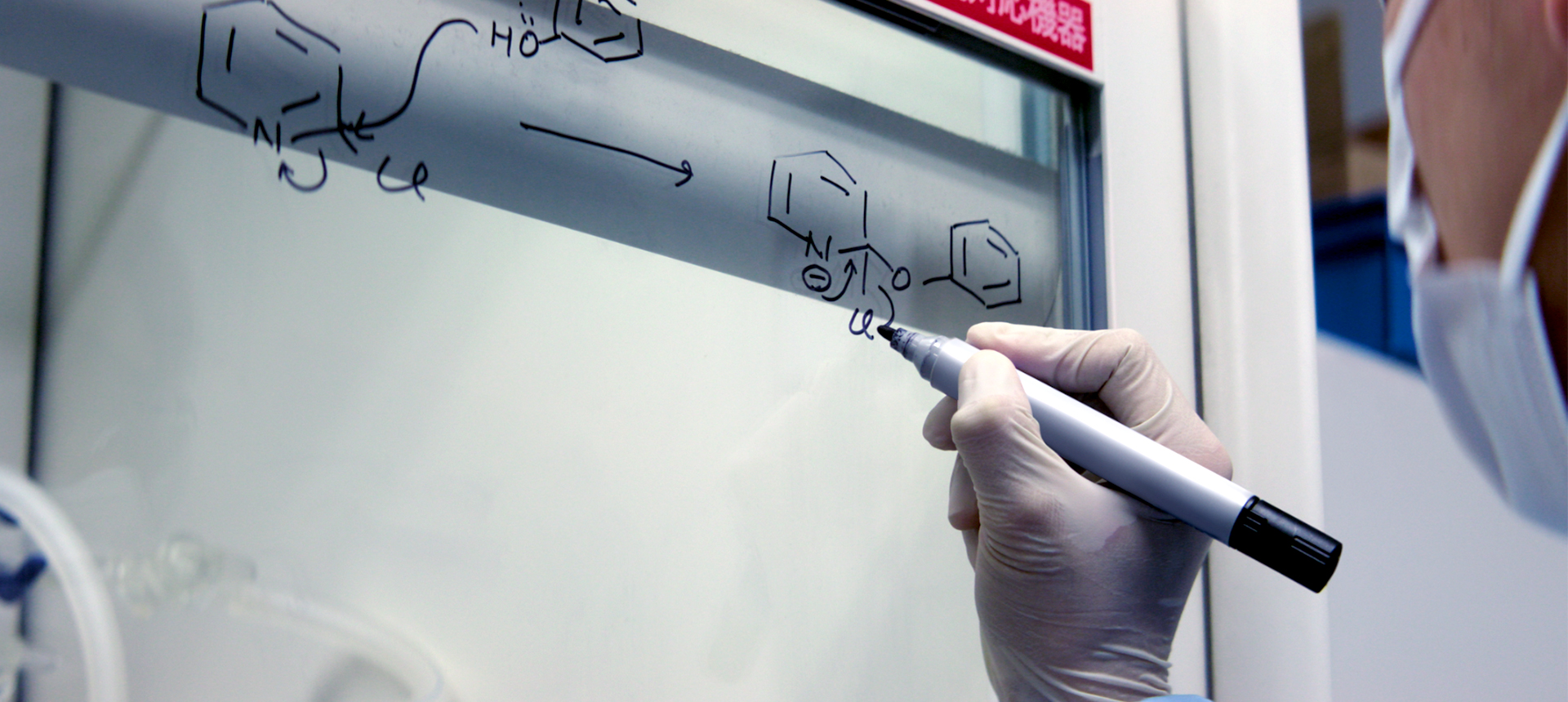
Cefiderocol’s iron-assisted entry distinguishes its mechanism. It does not eliminate clinical uncertainty. Its prescribing information warns of increased mortality observed against best available therapy in a study of critically ill patients with carbapenem-resistant infections; the cause was not established. Drugs such as Avycaz occupy overlapping hospital territory, but these medicines are not interchangeable. The laboratory result and the patient’s condition still govern the choice.
Paying for the medicine cabinet
Here is the awkward commercial arithmetic. Antibiotic developers need income. Health systems need effective medicines, available when required, used carefully enough to preserve their usefulness. A model built solely around increasing prescription volume gives those parties different incentives. In 2022, Shionogi’s European subsidiary signed a cefiderocol agreement with NHS England that separated payment from volume. The health service would pay a fixed sum reflecting assessed value.
A medicine can have value before anyone opens the vial.
The American arrangement is different, but it also assigns a price to readiness. In April 2026, BARDA awarded Shionogi Inc. a Project BioShield contract initially funded at $119 million, with multiyear options bringing its potential total to $482 million. The work includes U.S. drug-product manufacturing, procurement and further development. In August, BARDA exercised a $36.9 million procurement option. The ceiling is conditional, not money already earned.
August: $36.9m procurement option exercised under the same contract. Not an additional funding round.
The distinction is useful beyond medicine. If a product protects an institution against an expensive emergency, its value may exceed the transactions recorded on an ordinary day. Someone must still agree to buy that protection. Shionogi has examples of two routes: an English subscription and an American preparedness contract. Neither automatically supplies a payment model for every antibiotic or every country.
The trial that would not cooperate
The antiviral story supplies a necessary interruption. In May 2024, Shionogi reported that SCORPIO-HR, a global Phase 3 ensitrelvir treatment study, missed its primary endpoint. The prespecified measure concerned sustained resolution of 15 COVID-19 symptoms. A numerical improvement did not reach statistical significance. Strong antiviral activity could not turn that result into a successful primary endpoint.
A separate question produced a different result. SCORPIO-PEP studied prevention after household exposure. Its positive findings supported Xocova’s 2026 U.S. approval for post-exposure prophylaxis in people aged 12 and older; U.S. availability followed in July. The American indication is prevention after exposure. Treatment approval in Japan does not extend that indication across the Pacific. Prescribing also requires attention to substantial drug interactions and pregnancy restrictions.
This is a lesson in experimental precision. Asking whether a drug shortens established illness and asking whether it prevents symptomatic illness after exposure are different tests. The prevention program was already underway before the treatment setback. Calling the sequence a sudden pivot would invent a tidy management story that the dates do not support.
Buying the people, too
Shionogi’s other response to difficult development work is acquisition. The 2023 Qpex deal carried $100 million upfront and up to $40 million in additional milestones. It brought antimicrobial candidates and a specialist research team. In April 2026, a much larger transaction transferred Radicava rights in major countries and regions for $2.5 billion, plus possible future royalties. More than 100 team members joined from Tanabe Pharma America.
Radicava ORS treats ALS. The transaction gave Shionogi an existing commercial operation and experience serving a specific patient community. On October 5, it announced an agreement to acquire IntraBio for $2 billion upfront, adding another proposed step into rare neurological diseases. That deal remained subject to closing conditions in the announcement. An agreed purchase belongs in the future tense until completion is established.
The useful lesson is in the plumbing
There is another Shionogi business hiding in plain sight: partnership. Roche commercializes Shionogi-developed Xofluza in the U.S.; HIV work with ViiV includes dolutegravir and cabotegravir. These arrangements explain why patients may recognize a medicine without recognizing its discoverer. Shionogi can contribute research while another organization handles parts of the route to market.
Access has its own plumbing. In 2022, the parent group signed agreements with GARDP and the Clinton Health Access Initiative intended to expand cefiderocol access across a 135-country licensing territory. A territory on paper does not mean a medicine is on every hospital shelf. Manufacturing, local approvals and appropriate use remain practical tasks. The same company trying to preserve antibiotic effectiveness must also help make treatment reachable where patients need it.
The copyable idea is to design that route as carefully as the product. Identify the payer, preserve specialist knowledge, and distinguish an approved use from a promising hypothesis. This approach needs evidence, dependable manufacturing and partners with budgets. A contract cannot rescue a failed clinical claim. What it can do is help keep a useful capability available when the next patient needs it.