Serene Health had people to hire. What it lacked was time from the people already there. During the pandemic, a new Contra Costa Health Plan contract brought a staffing problem into focus: more than 20 prospective pre-licensed hires needed supervision, and existing therapists could not absorb the work. Serene selected six remote supervisors through Motivo for weekly sessions. The scarce resource was hiding one step behind the obvious one.
- Therapy for individuals, couples, and families, with online and office visits.
- Care managers who connect eligible Medi-Cal members with medical and social services.
- A useful operating lesson: check what prevents your next hire from becoming useful.
“It was a relief to access affordable, high-quality clinical supervisors so quickly.”
Jennifer Guerguis · Chief clinical officer, 2023
Speaking to the California Health Care Foundation
That modest fix offers a useful way into this company. Care depends on a chain of people and arrangements. A weak connection can leave everything on either side waiting.
01 / The appointment is only the beginning
Serene provides behavioral and mental health care to individuals, couples, and families. Its menu includes support for anxiety, depression, ADHD, bipolar disorder, trauma, and relationship difficulties. Individual therapy creates room for a private conversation. Family therapy examines relationships within a household. Couples therapy addresses communication, conflict, and emotional connection. These are different jobs, even when they happen behind the same office door.
The company describes its approach as evidence-based and organized around the whole person. Its integrative psychiatry service brings evaluation, therapy, lifestyle support, and medication when clinically appropriate into a shared treatment plan. It also discusses coordinating advanced options such as TMS. The practical attraction is continuity: a patient can discuss several kinds of support within one care conversation.
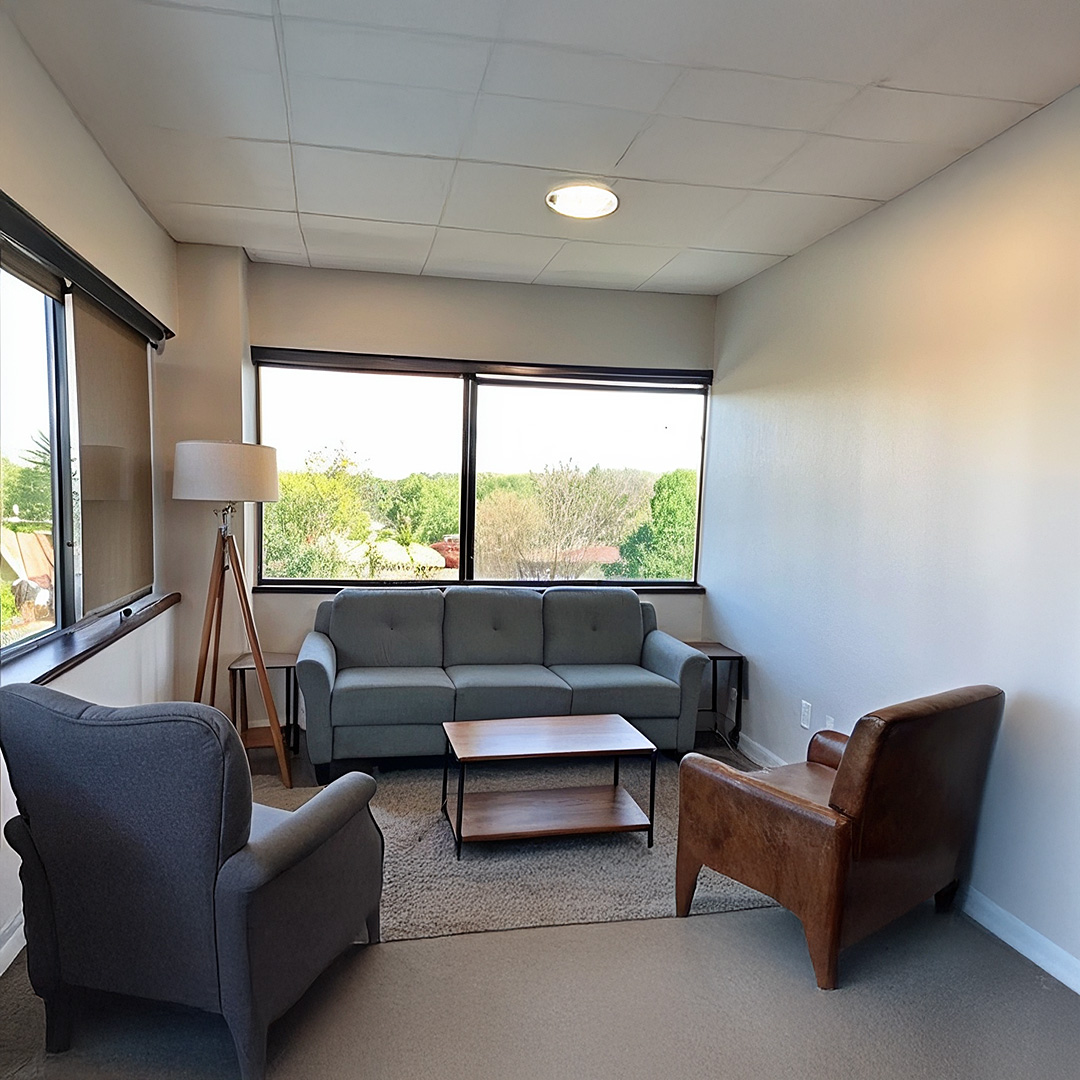
Access has a geographic dimension. Serene’s website lists California, Illinois, Georgia, and Arizona, with online and in-person options depending on location and service. It advertises telehealth seven days a week. That is useful for someone trying to fit care around work or family responsibilities; an individual appointment still depends on an available provider.
Its locations page also reports 12 locations. These are company figures, rather than independently audited measures of treatment success.
02 / The care plan leaves the building
A therapy visit can address distress. It cannot, by itself, find a place to sleep. Serene’s Enhanced Care Management work enters that gap. ECM is a California Medi-Cal managed care benefit for eligible people with complex needs. A lead care manager coordinates across medical, behavioral, dental, and social services. Serene says that work can happen at home, in a shelter, or wherever a member is.
Community Supports adds practical services. Serene lists housing navigation, housing deposits, help sustaining a tenancy, medically supportive meals, recuperative care, and assistance with transitions out of nursing facilities. These are benefit categories with eligibility and authorization requirements. A listing is a starting point for a conversation about what a particular health plan will approve.
Several connected needs.
The financial detail matters. The state’s ECM toolkit says eligible members receive the benefit at no extra cost. Therapy expenses are a separate insurance question: coverage, copayments, and networks depend on the plan and service. Serene publishes insurance lists by state. For a prospective patient, checking the exact benefit is more useful than spotting a familiar insurer’s logo.
There is external evidence of this work. Kaiser Permanente lists Serene for justice-involved ECM, serving people transitioning from incarceration in five Southern California counties. Sonoma County’s 211 directory lists Serene for eligible Partnership HealthPlan members. Those entries make the operating model tangible: health plans connect members to a provider responsible for helping care fit together.
03 / Software has a supporting role
Serene describes proprietary software and AI-assisted features for scheduling, appointment reminders, journaling, mood tracking, and digital check-ins. These are company-described capabilities. The useful question is what work each feature removes. A reminder can help someone remember a visit. A journal can preserve details that might otherwise disappear between conversations. Neither substitutes for a clinician’s judgment.
Its remote patient monitoring page describes a TrueCare platform connecting Bluetooth devices, including blood-pressure monitors and glucose meters, with caregivers. This extends the company’s stated interest in physical as well as mental health. The business logic is recognizable: information collected between appointments can inform the next decision. Its value depends on someone reviewing that information and being able to respond.

04 / Find the connection that is missing
Serene sits where outpatient behavioral care meets publicly financed care coordination. Patients receive services; insurers and managed care plans help pay for covered care. Its market includes local practices, community clinics, teletherapy providers, and other ECM organizations. Which alternative fits depends on whether someone needs a therapist, psychiatric care, practical coordination, or several of these together.
Its combination is the interesting part. A teletherapy service may offer convenient appointments. A community organization may help with housing. Serene brings these kinds of work into a broader group of services. The argument for choosing it is strongest when a person’s needs cross those boundaries, provided the relevant programs are available through their coverage.
The supervision episode supplies a lesson worth borrowing: trace the work backward before adding capacity. A new clinician needs support. A referral needs a receiving provider. A care plan needs services the member can actually reach. Serene’s whole-person proposition becomes meaningful in those handoffs, where a plan either becomes usable or remains another piece of paper.