Consider the oddly specific thing a student wants on the night before a test. It might be a chapter’s worked solutions, a printable paper, or ten more questions on a troublesome topic. A grand promise about education would be beside the point. The useful thing is the thing that lets the next twenty minutes of studying happen. SelfStudys, the Indian educational platform, has arranged much of its business around that modest transaction.
- Free notes, textbook solutions, sample papers and online tests.
- School-board resources alongside JEE, NEET, CUET and GATE preparation.
- Free Prime membership adds PDF access and repeated MCQ attempts after mobile verification.
Open the website and the ambition appears in its menus. There are state boards, textbook authors, entrance exams and question formats. It feels less like enrolling in a course than walking into a stationery shop whose proprietor knows which examination you mean. The catalogue’s density is part of the proposition: a student can arrive with a narrow problem and look for a correspondingly narrow answer.
A library with a very particular filing system
Start with the schoolwork. SelfStudys organizes NCERT solutions by class and subject, offers revision notes, and gathers CBSE sample papers. It also lists solutions for familiar supplementary books, including RD Sharma and HC Verma. These are recognizable objects in a student’s existing routine. The platform can meet someone halfway through a chapter without first asking them to adopt an entirely new method of learning.
The state-board shelves matter for the same reason. A Bihar Board student’s useful resource is determined by a particular curriculum, class and subject. A broad label such as “science help” would lose that specificity. SelfStudys’ board-based navigation acknowledges that education is experienced locally even when the distribution system is a website accessible from anywhere.
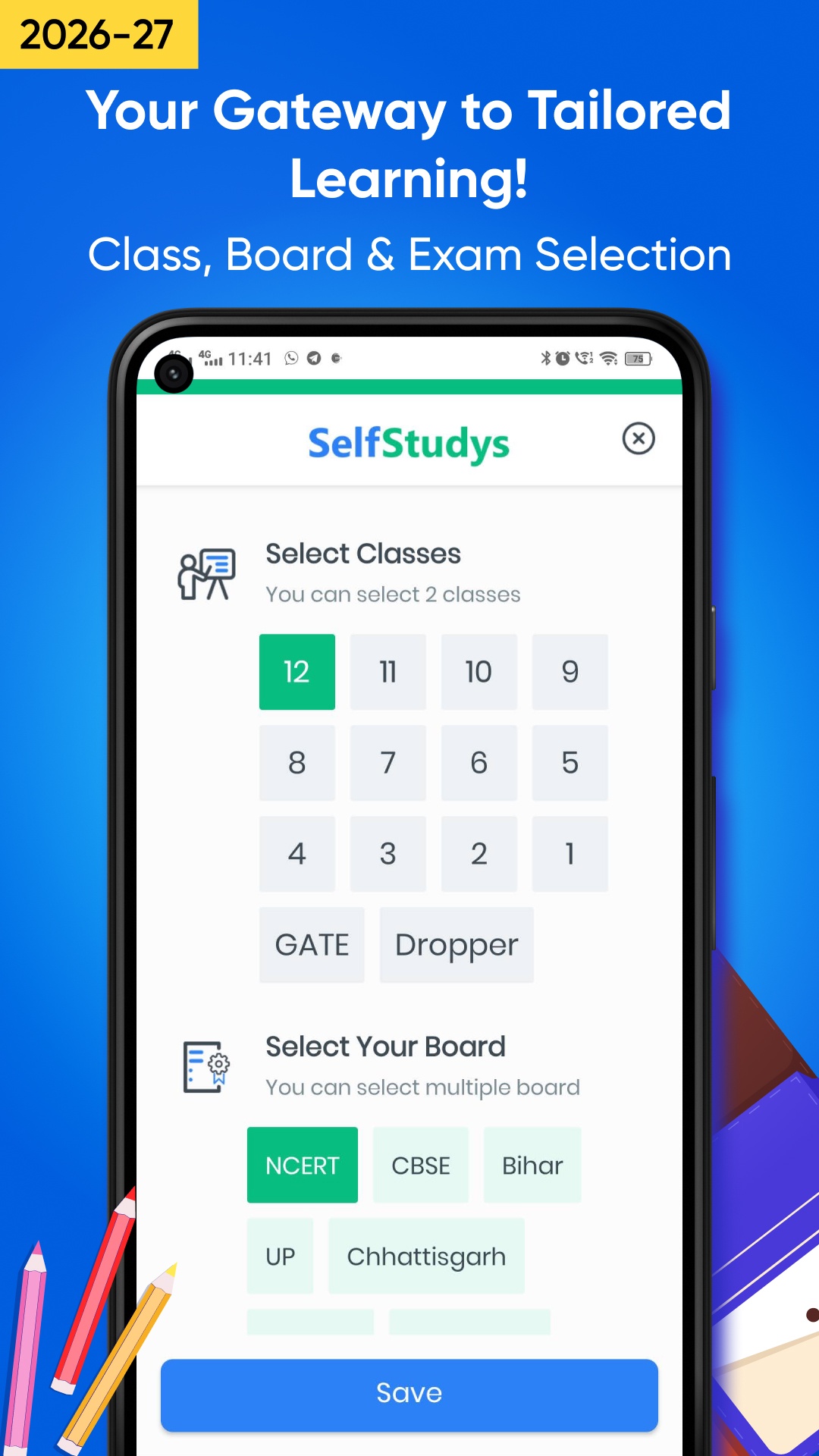
Its entrance-exam catalogue extends the organizing principle. JEE resources sit beside NEET preparation; GATE has engineering branches of its own. Mechanical engineering and computer science need different practice material. The expertise visible here is partly editorial: dividing a large body of educational content into units that people can actually locate and use.
The paper is only the beginning
A sample paper has a curious double life. Before you attempt it, it is a document. Afterward, it can become a map of what you misunderstood. SelfStudys supplies papers, solutions and revision resources that can support that transition. The student still has to connect them. Downloading five PDFs is an excellent way to feel organized while postponing the question of whether you can solve anything.
A useful routine is deliberately small. Choose a paper appropriate to the current syllabus. Attempt it before opening the answers. Mark the questions that exposed a gap, return to the relevant chapter, then try similar problems again. This is a suggested way to use the library, rather than a measured claim about results. Its virtue is that the next action is always clear.
- 01AttemptAnswers closed
- 02CheckFind the gap
- 03RevisitStudy the concept
- 04RepeatTry a fresh question
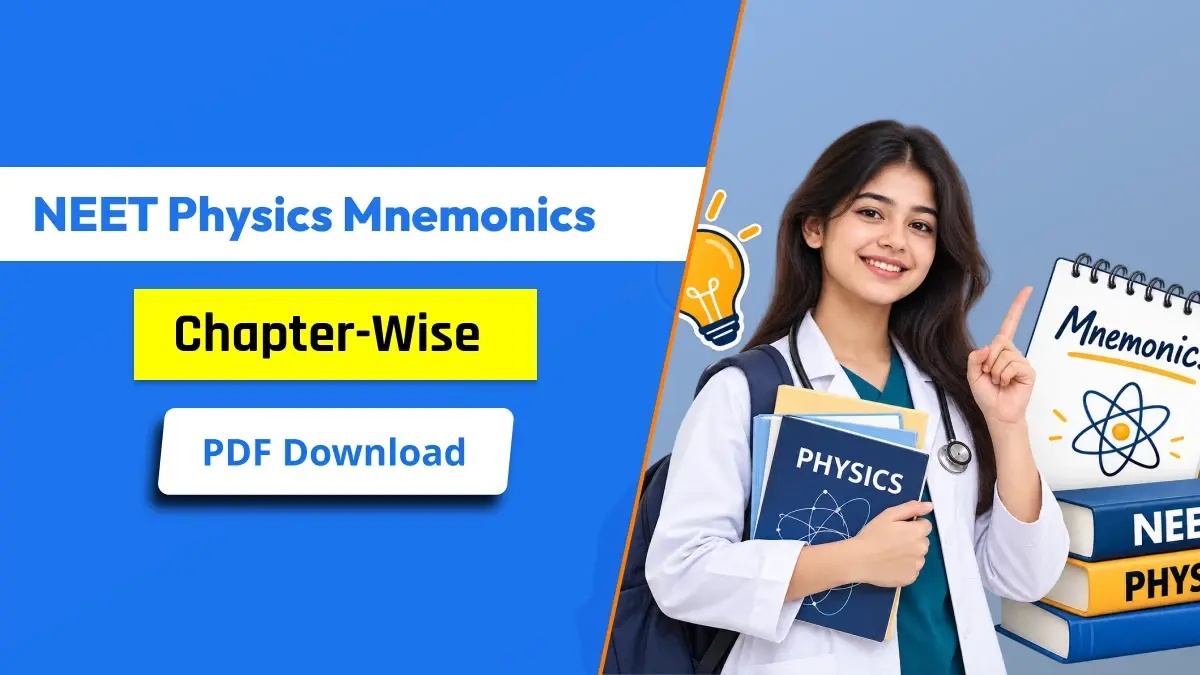
The format variety helps explain the appeal. NEET materials include formula collections, mind maps and diagram-based questions. On October 23, 2026, the site published a physics-mnemonics resource. Those tools address different moments in preparation: learning a relationship, recalling it quickly, recognizing it in a question. A single student can need all three within one evening.
Prime, minus the price tag
Then comes a small surprise. SelfStudys has a Prime membership, and the advertised price is free. Verify a mobile number and the membership promises unlimited PDF access, multiple attempts at MCQ tests and exclusive study PDFs. The familiar vocabulary of premium subscriptions is being used to encourage registration. The immediate exchange involves access and identification rather than a course payment.
The website’s privacy policy says it uses Google AdSense. Advertising therefore supports at least part of the free-resource proposition. For students, the financial entry point is attractive. For the publisher, useful pages can attract an audience that advertisers pay to reach. The practical tension is attention: a study resource works best when the learner can concentrate on the question in front of them.
“Helping students become self-reliant.”SelfStudys’ public Linktree description
The search box is a distribution channel
Content writer Ashutosh Rana offers one account of how that audience developed. He reports that monthly organic visitors rose from roughly 60,000 in February 2021 to more than seven million by his departure in November 2023. He also describes hiring three writers and returning as a freelancer in October 2024 after older pages retained rankings. These are his case-study claims, not audited traffic figures.
The transferable idea is straightforward: build useful pages around precise, recurring needs, then make the publishing process repeatable. That approach depends on discoverability and accurate, current material. It becomes less effective when search visibility disappears, resources go stale, or a student needs an explanation that a static answer cannot provide.
The test button has to work
Public app reviews bring the story back to execution. In July 2026, one reviewer reported trouble accessing tests and lessons; another wanted fuller coverage of recent question-paper sets. Individual complaints cannot establish a universal experience. They do identify the moments that matter: whether the resource opens, whether the set is complete, whether practice can continue.
SelfStudys occupies a useful place between official textbook repositories and structured coaching. Its app explicitly describes itself as independent. Students should use official board and exam websites to confirm notices and syllabus details. The platform’s everyday value lies in making preparation material available at the moment of need. The final measure is personal and stubbornly practical: can you now solve the question you could not solve before?