The first useful number in Sean Cannell's career is 52. That is how many videos he says he made in his first year with a camera, after a youth pastor at his church handed him the equipment and the assignment in 2003. One video a week. No studio, no established personal brand, no promise that anyone beyond the youth group would care. For an aspiring filmmaker, it was an unusual sort of school: the homework kept appearing on the calendar, and the audience was already waiting.
Cannell remembers the early videos as poor work. He made them anyway. When the lead pastor asked him to make videos for Sundays as well, the annual pace rose to about 104. Repetition taught him the mechanics of editing and being on camera. It also gave him a relationship with deadlines that many would-be creators discover only after buying far more equipment than they need.
Today he is the founder and CEO of Think Media, a YouTube education company based in Las Vegas. Its channels have more than four million subscribers and 500 million views, according to the company. Those figures sit at the end of a rather longer sentence. Before he could teach a stranger how to make a video, Cannell spent years making videos for people he already knew.
The little channel before the big classroom
In 2007, Cannell managed a YouTube channel for a church in a small town near Seattle. Uploads had to be broken into parts when they ran beyond the platform's then-length limit. He has recalled doing this before he understood the now-familiar craft of titles and thumbnails. The labor was basic: make the video, find a way to get it online, repeat. The future creator educator was learning the platform as a worker, one inconvenient file at a time.
He later started Clearvision Media and made videos for clients, including weddings and music projects. In an interview, he described work across filming, scripting, interviewing and freelance production. That range matters because Think Media did not emerge from a single format discovered on a whiteboard. It came from practical questions encountered while doing the work.
Around 2010, Cannell and a friend started Think International, a faith-focused interview channel that he says produced about 250 videos. The name, he later joked in an interview, owed something to an admiration for Think Skateboards and to the fact that they had been to Canada. It is a pleasingly small origin for a name that would eventually sit above a large business. He says the channel drew questions from viewers who wanted to know how the interviews were filmed so quickly and with so little equipment.
The questions supplied an editorial assignment. What camera was he using? Which microphone? How could a creator assemble a lean setup? Cannell made videos about the gear. Think Media grew from that practical corner of YouTube - cameras, lenses, sound and the everyday decisions between a person and the record button. His early business also drew on affiliate links attached to product recommendations. The videos met an audience already searching for a solution.
The first five years were, by Cannell's account, quiet. He built the channel part-time while working at a church, often editing and uploading late. Around 2015, he says, momentum began to change. The timing is important. A channel that later made a convincing case for consistency first had to survive a long period in which consistency offered little public proof of itself.
From the lens to the livelihood
The shift from reviewing equipment to explaining a creator business followed the audience's questions. A better camera might improve an image. It could not tell someone which topic to pursue, how to hold a viewer's attention, or how to make the work pay. Think Media gradually broadened its teaching from gear to channel strategy, production routines and income. The company now offers a podcast, courses, coaching and live events alongside its free videos.
That expansion brings a different set of responsibilities. A camera review can show the viewer the object in question. Advice about building a career must contend with people whose time, means and ambitions differ. Cannell's public message tends toward process rather than a single spectacular trick. His site tells new creators that they do not need to go viral to go full-time; they need a strategy. The line is also a description of his own path, which he has repeatedly presented as gradual.
In 2018, Cannell and fellow creator Benji Travis published YouTube Secrets. Their publisher says the guide draws on the pair's experience and interviews with more than one hundred creators. It is an apt collaboration for Cannell, who had spent years both conducting interviews and turning his own experiments into explanations. The book has since received a second edition. What began as answers to gear questions had become a more systematic attempt to explain the platform.
His 2014 publication YouTube For Churches shows another continuity. The subject may have widened from congregations to entrepreneurs and independent creators, but the basic problem remained familiar: how does a person with a message make a video worth finding and watching? The answer required more than cinematic polish. It required knowing the audience, packaging the idea and doing the work again next week.
A company with a camera at its center
Think Media is now a team rather than a one-person upload routine. The company describes an audience of more than four million subscribers across its channels and more than 500 million views. Cannell hosts the Think Media Podcast; the company runs Video Ranking Academy and offers coaching. In 2026 it promoted a two-day mastermind in Las Vegas, placing him and colleagues in a room with creators seeking feedback on their channels. The classroom has moved from a church editing desk to the internet and back into a physical room.
There is a commercial structure beneath the instruction: courses, books, events and coaching sit beside the free channel. Cannell has also described affiliate income and advertising as parts of his own route to a business. In a recent reflection marking 16 years of Think Media, he said the original channel alone had generated more than $2.5 million in advertising revenue. It is his figure, and it says something specific: the free videos were themselves an economic engine, even before the wider company is counted.
A large audience can flatten its owner into a set of subscriber counts. Cannell has been more revealing when he talks about the years before the counts looked impressive. On LinkedIn, he remembered the early uploads as a place to create, express himself and perhaps help someone. His advice at the end of that reflection was characteristic: “Start before you're ready. Punch fear in the face. And press record.” It sounds like a slogan until one remembers the first 52 assignments. The instruction was practiced before it was printed.
The company's stated mission is to help one million purpose-driven people go full-time doing what they love through video. It is a large, countable ambition, and one that extends well beyond Cannell's own channel. For the person considering a first upload, however, the most useful part of his story may be smaller. He learned with an audience of people he knew, with ordinary constraints and an unglamorous production schedule. The later business came from noticing the questions that work generated.
That may explain why he remains interested in beginners. Think Media's materials address the person with no subscribers as readily as the established channel looking for growth. Cannell's own account gives him a memory of the stage at which every choice feels consequential and almost none is. The title, the camera, the upload time, the first awkward sentence: all can be improved on the next attempt, provided there is a next attempt.
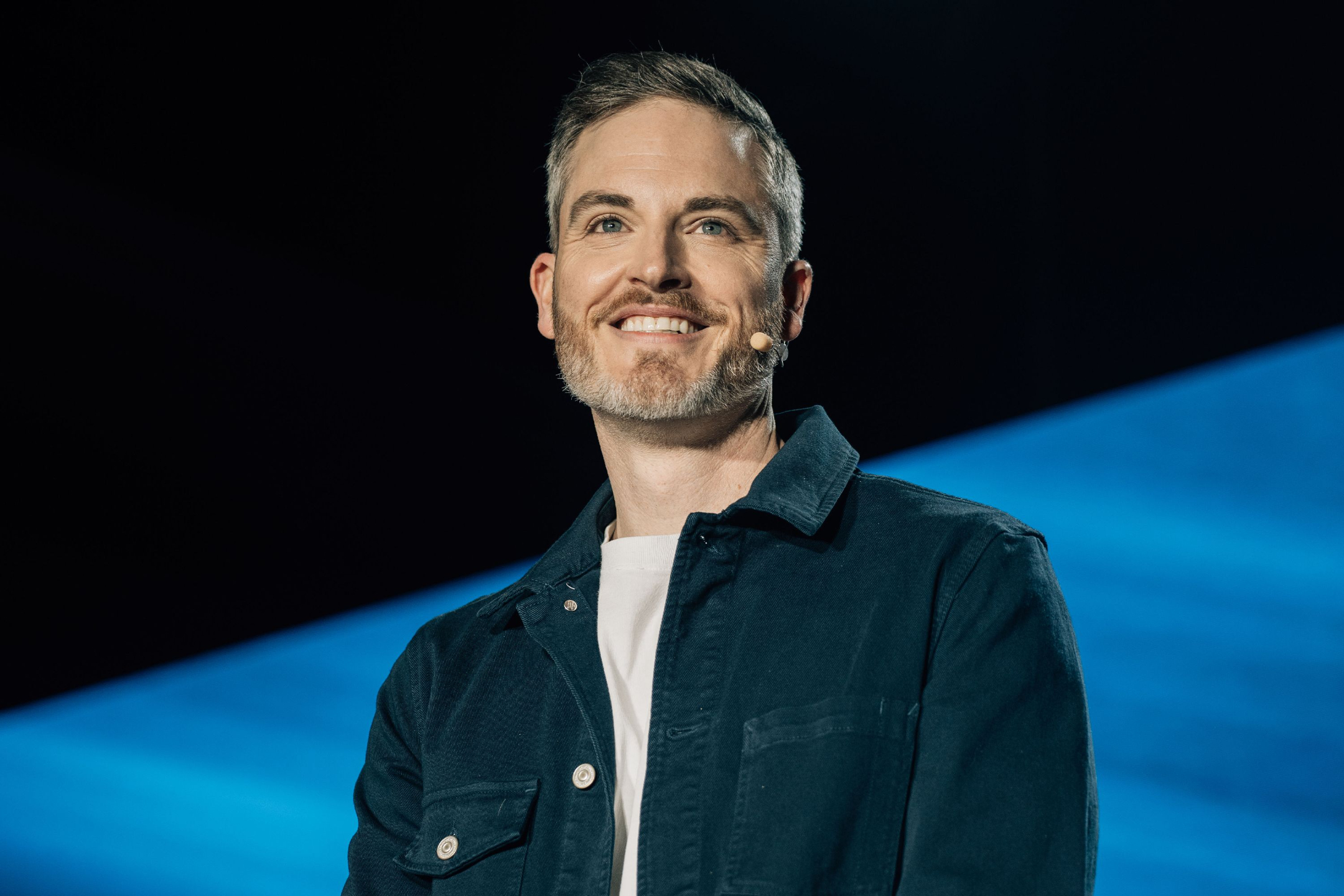
There is no single frame that captures the whole career. One shows a volunteer at a church. Another shows an interviewer carrying a compact setup. A later frame holds an author, a CEO and a speaker on a stage. The connection among them is less glamorous than the stage lighting: a habit of taking a practical problem, making a video about it, and returning to do the next one. The medium changed, the rooms changed, and the audience became much larger. The habit stayed remarkably plain. That is the long road Cannell still asks other people to travel.
Keep watching
Cannell's work is easiest to understand in its native format. The main channel still carries the gear and strategy lessons that shaped Think Media; the podcast gives him more room for conversation. His site and book show how those lessons became a larger teaching business.