A shopper can admire an advertisement and still leave empty-handed. Perhaps the color is wrong. Perhaps the offer is buried. Perhaps the website will not load. Resource/Ammirati’s history becomes more interesting when you look at those little interruptions. The agency worked where a brand’s promise met the stubborn business of getting something done.
- Nancy Kramer founded Resource in 1981. Apple was its first client.
- Ammirati brought advertising, packaging and shopper marketing into the mix in 2014.
- IBM completed the acquisition in February 2016, bringing the agency into IBM iX.
That position put a Columbus company in an unusual place: close enough to advertising to understand desire, and close enough to technology to build the next step. Its work included ecommerce, social experiences and mobile tools. The recognizable names on its client list mattered. The less visible mechanics behind their shopping experiences mattered, too.
01 / ATTENTION HAS A CAPACITY LIMITThe audience arrived. The pictures didn’t.
Consider Victoria’s Secret in 1999. A Super Bowl commercial promoted an online fashion show. The 30-second placement alone reportedly cost $1.6 million. That figure was the retailer’s media expense, not the agency’s fee. This was an ambitious attempt to send a mass television audience into a very different distribution system.
The webcast became associated with Resource’s early digital reputation. It also produced a lesson with unusually clear symptoms: congestion, frustrated viewers and unreliable pictures. Broadcast.com delivered the stream. Contemporary reports described roughly 1.5 million viewers and many people unable to watch. Attention had run ahead of the network’s ability to serve it.
The useful distinction is between attracting people and accommodating them. Resource was helping brands explore what the internet could do; the event exposed what the wider infrastructure could not yet do reliably. For anyone planning a digital launch, the implication remains plain: the capacity plan belongs in the creative conversation.
- 01AttentionA campaign gives someone a reason to look.
- 02ConfidenceA useful tool helps them choose.
- 03ActionA working experience lets them buy.
02 / THE QUIETER INVENTIONA circular with a memory
Jump forward to CVS in 2013. The weekly sales circular was a familiar object: a collection of deals that asked every household to do its own sorting. CVS’s myWeekly Ad changed the arrangement. It used the ExtraCare program to present personalized offers and made shopping lists available digitally, including information about where products sat in a local store.
Resource led development of the new digital circular design. Other agencies handled parts of the wider campaign. That division of labor matters: this was a collaborative client system, with a useful interface sitting on top of an established loyalty program. It was also an answer to a small, recurring annoyance. Which of these deals is actually for me?
Sherwin-Williams offered another version of the same problem. Paint is easy to purchase once you have decided on a color. Deciding is the difficult part. Working with Resource, the company introduced ColorSnap Studio for iPad in 2012. People could match colors from photographs, try colors on room images, estimate paint needs and locate a store.
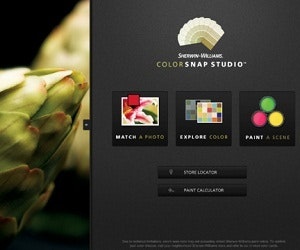
Here, the brand experience was a tool for reducing hesitation. The agency’s expertise included understanding that hesitation, designing the interaction and connecting it to commerce. These were products made for clients, rather than a shelf of Resource-owned software subscriptions.
03 / BUYING THE MISSING SKILLSThe slash meant something
Resource’s 2014 acquisition of New York agency Ammirati expanded that proposition. Matthew Ammirati had founded his firm in 2002. It brought brand strategy, advertising, design, packaging and shopper marketing. Resource brought digital, social, innovation and ecommerce experience. Kelly Mooney became CEO of the combined company; Kramer chaired it, and Ammirati became creative chairman.
The combination put more of a client’s problem within reach of one agency. A package, a campaign and a checkout could share an idea. Ammirati’s previous work even included Jerry Seinfeld’s Comedians in Cars Getting Coffee website, a pleasing reminder that digital brand experiences need not resemble a corporate brochure.
04 / INDEPENDENCE MEETS SCALEWhy IBM was already in the room
Two years later, the buyer was IBM. The relationship had deeper roots than the announcement suggested. Mooney told AdExchanger that Resource’s first ecommerce site, for Victoria’s Secret in 1998, had been built with IBM. She also said 75 percent of the agency’s clients were engaged with IBM in some way. There was considerable overlap before anyone signed.
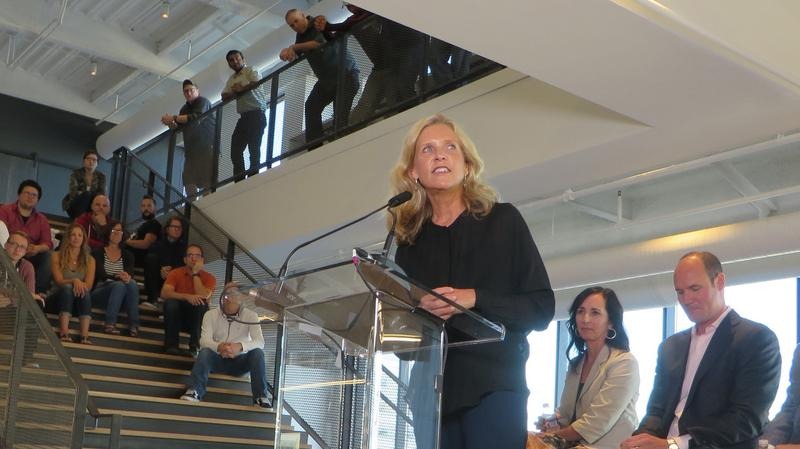
“This is about growth.”
Nancy Kramer / January 2016
Kramer’s explanation for giving up independence emphasized global reach and resources. The proposed pairing offered access to additional design and development talent, analytics and systems expertise. IBM completed the transaction on February 24, 2016. More than 300 agency employees joined the iX organization. The purchase price was not disclosed.
WestView Capital, a minority investor since 2011, exited with the sale. The business underneath was professional services: companies paid for creative, strategic and implementation work. Its market position sat between integrated agencies and technology consultancies, precisely where competitors were also moving.
05 / A USEFUL QUESTION TO STEALWhat should the customer do next?
The portable lesson is to start with a blocked customer task. Find the uncertainty, design something that resolves it, and make sure the underlying systems can keep the promise. That is an editorial reading of the work, rather than a claim that every engagement followed one formula.
The conditions matter. Personalized offers need usable data. A busy launch needs reliable infrastructure. A complex consulting engagement needs enough organizational commitment to carry it through; a simple promotion may call for a narrower supplier.
Today IBM presents iX within IBM Consulting, spanning strategy, design, development and managed services. That is the current service destination for this legacy. Resource/Ammirati’s story leaves a practical question for any marketing brief: after someone notices you, have you made their next move easier?