The truck is only part of the delivery. There is also the small administrative journey made by the money: from broker to carrier, from dispatcher to driver, from driver to the crew unloading the trailer. Each handoff can leave a truck standing still. Relay Payments found its opening in that mismatch between freight that had arrived and permission to pay that had not.
- The job: pay for fuel, unloading, scales and other trucking expenses digitally.
- The customer: drivers and fleets, plus the brokers and merchants around them.
- The bet: a payment should finish the paperwork while it moves the money.
The expensive part was the waiting
Ryan Droege and Spencer Barkoff founded the Atlanta company in 2019. Their first focus was the lumper payment, a fee paid to the people unloading freight. It is a wonderfully unglamorous place to start a financial technology company. Nobody downloads an app because they have developed an enthusiasm for unloading fees.
But the workflow offered plenty to dislike. A driver might need authorization, a dispatcher might need a phone call, and somebody would eventually need the receipt. Relay made unloading payments digital and let fleets authorize spending ahead of time. The receipt became an automatic record rather than another object a driver had to preserve.
The pandemic made contactless payment more urgent. In January 2021, Relay announced $43 million in funding led by Addition, with Ribbit Capital and Spark Capital participating. Its early advantage was practical: remove a payment delay at a point where several businesses needed the same truck to leave.
Then the card became the problem
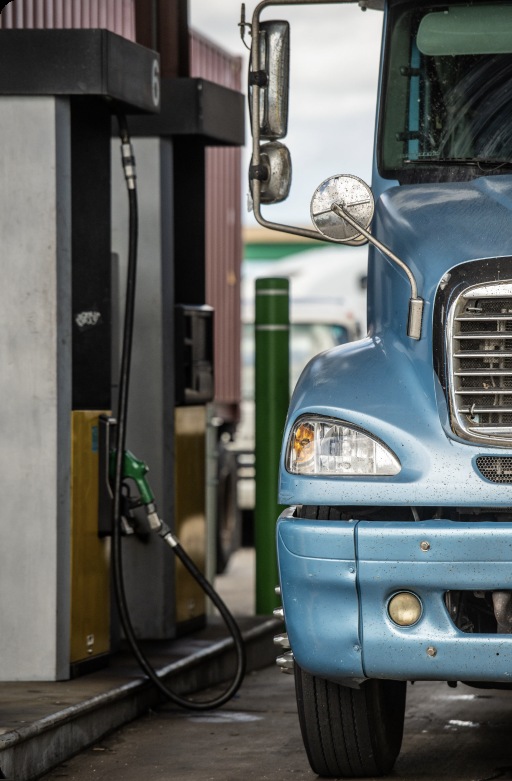
Relay launched fuel payments in 2023. That move brought it into a bigger daily expense and a different kind of interruption: card skimming. A stolen card number could produce a second ordeal after the fraudulent purchase, involving investigations, cancellations and replacement cards for drivers far from the office.
Pure Freight Lines illustrates the appeal. In Relay’s published case study, the Illinois carrier reported losing $10,000 to $15,000 monthly to fuel-card fraud. It already used Relay for unloading payments. Switching fuel purchases to digital authorization offered a way to remove the physical card from the transaction.
“At this point we’ve had zero fraud issues”Milo Dubak, Pure Freight Lines
In Relay’s customer case study
That is a customer’s reported experience, not a forecast for every fleet. The useful detail is how the losses spread: office staff lost time, drivers lost confidence, and replacement cards had to catch up with moving trucks. A payment failure had become an operations problem.
The truck gets a vote
Cardless payments address skimming. They leave another question: what if someone with legitimate access buys fuel they should not buy? Relay Pulse, launched in May 2025, brings electronic logging device data into that decision. The payment can be checked against the truck’s location, the driver’s duty status and the tank’s capacity.
Pulse can also flag a transaction when the tank level fails to rise afterward. That is a useful distinction: some checks prevent a purchase; others give the office a reason to investigate. Heavy Duty Trucking named Pulse a 2026 Top 20 Product. The underlying idea is appealingly concrete: ask the vehicle whether the purchase makes sense.
A network has to meet you on the road
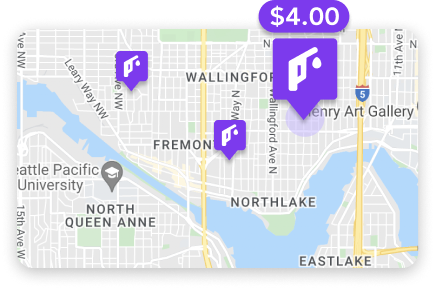
A polished app is little comfort at a truck stop that cannot accept it. Relay’s distribution work therefore matters as much as its interface. Its network includes Pilot and Love’s; Circle K added more than 500 truck-accessible locations in September 2025. TA, Petro and TA Express acceptance followed that December.
The company now reports more than 500,000 drivers and 3,000 merchant locations. Those are company figures, but the strategic point is clear: a fleet needs useful coverage along its actual routes. Scale payments work through CAT Scale’s Weigh My Truck app. Repair partners extend the account into maintenance expenses.
RelayDirect carries the same approach into broker-to-carrier payments. Steam Logistics announced its implementation in August 2025, including work with Navix on document imaging and auditing. In June 2026, a Platform Science integration brought Relay into the cab’s existing software, with single sign-on and synchronized driver and vehicle information.
Price the whole interruption
The app is free to download. Commercial payment processing carries its own terms: Payments Dive reported transaction-based fees in 2022. Buyers should obtain current pricing for their mix of payments and products, then compare the bill with administrative work, available fuel discounts and the cost of interrupted trips.
Put the comparison on one sheet: price per transaction, fuel price after discounts, staff minutes per receipt and extra miles to an accepting merchant. A discount can disappear into a detour. Faster authorization is useful only when the rest of the stop is ready. Those are operating calculations a fleet can make before changing providers.
Relay competes with established providers including WEX and Corpay, formerly FLEETCOR. Its case rests on trucking-specific workflows, cardless authorization and connected records. For larger fleets, RelayAdvanced adds team segmentation, role-based access and detailed spending limits. The incumbent relationship still matters; changing payments means changing a routine that dispatchers, drivers and accounting staff share.
Start where the phone rings
Relay’s stated culture emphasizes ownership and working together, with staff working from Atlanta or mostly from home. Its team rituals include quarterly Roundups and peer recognition. The product has an equally human requirement: someone must answer when a driver cannot pay. Relay offers US-based support around the clock.

The lesson a reader can borrow is specific. Find a repeated interruption, measure it, and remove the follow-up work along with the transaction. For fleets, start with a route and merchant check, confirm discounts and integration requirements, then track authorization delays and reconciliation time. Pulse also needs supported, accurate vehicle data. The ambition may be a network. The test remains one driver, at one stop, able to finish paying and leave.