The intriguing number in RAED Ventures’ story is $400,000. It appeared in 2018, attached to an offer of free or heavily discounted services for portfolio companies. No unicorn valuation, no ceremonial giant cheque. Just the possibility of spending less on the things a young business needs to keep going. Venture capital, briefly, had turned its attention to the shopping list.
- RAED invests in technology companies across MENA, with a practical route into Saudi and GCC markets.
- RAEDPlus adds service benefits, expert access and recruitment support to the funding relationship.
- Recent bets cover rent, company spending, contracts and the infrastructure underneath AI.
A discount with a theory behind it
The RAEDPlus launch described agreements with more than 25 firms and potential savings of up to $400,000. That last phrase deserves its place: a ceiling in a programme announcement, rather than money every founder received. But the design is revealing. A startup can raise capital and immediately hand some of it to service providers. Negotiating better terms attacks that drain before another funding round becomes necessary.
There is a second advantage. Advice arrives in magnificent quantities in startup life; useful assistance is rather more rationed. A service arrangement can be acted upon. An introduction to an expert can answer a specific question. Today, RAED describes the programme as including expert matching, recruitment help and free services. The appeal is mundane in the best sense: fewer avoidable costs, fewer unanswered operational questions.
“This program’s mission is to give all our portfolio companies equal opportunity to receive regular value-add services.”
Omar Almajdouie / RAEDPlus launch, 2018
Three routes to the same table
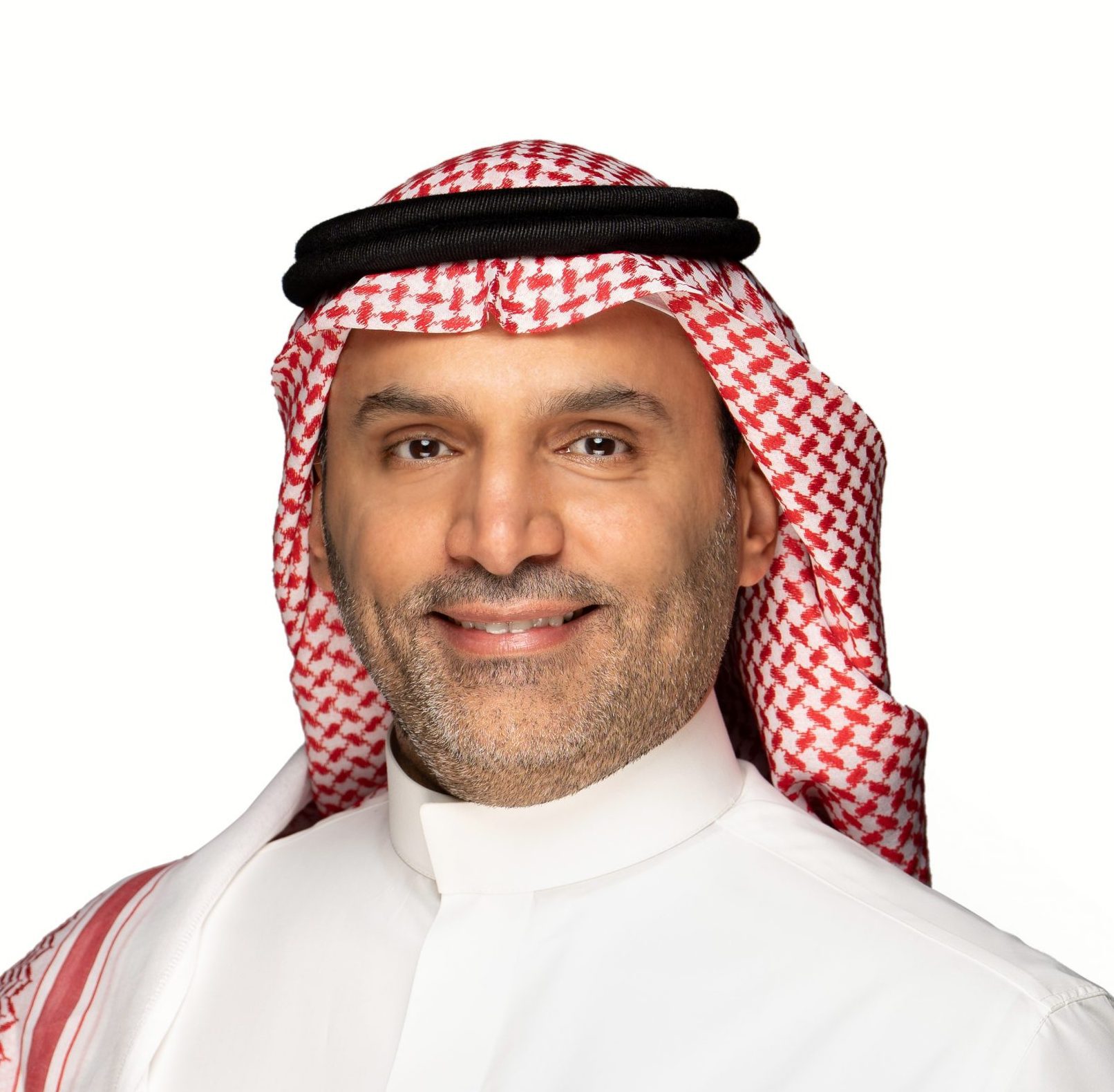
Founded in 2015, RAED brought together Omar Almajdouie, Saed Nashef and Talal Alasmari. Their backgrounds suggest why the firm’s pitch extends beyond capital. Almajdouie had led Almajdouie Manufacturing. Nashef had worked in software engineering at Microsoft and co-founded Sadara Ventures. Alasmari had co-founded several startups, including Modha, acquired by a Saudi family office in 2014. Industrial operations, software and entrepreneurship supplied different views of what a business needs.
RAED’s stated offer includes collaborations with portfolio and sister companies and access to Saudi and GCC markets. Read that as a proposition founders should interrogate. Which introduction helps this particular business? Which expert understands its particular problem? A network becomes valuable when a connection changes an outcome. The existence of a contact list is merely the beginning.
Rent, receipts and signatures
The investment pattern becomes easier to see when the companies sit together. Wafeq builds accounting and e-invoicing software for businesses in the region. RAED led its $3 million seed round announced in January 2023. SiFi offers corporate cards, spending insights and automated expense workflows; RAED and Sanabil Investments led its $10 million seed round in May 2024. These products address work a company must perform whether or not its executives enjoy technology.
Rize takes the same practical instinct into housing. Its rent-now-pay-later service lets tenants pay annual rent in monthly instalments. The January 2025 financing led by RAED totalled $35 million and combined equity with debt, including a financing partnership with Partners For Growth. Calling the whole amount a RAED cheque would miss the financial architecture. Software and the funding of rent obligations create different needs.
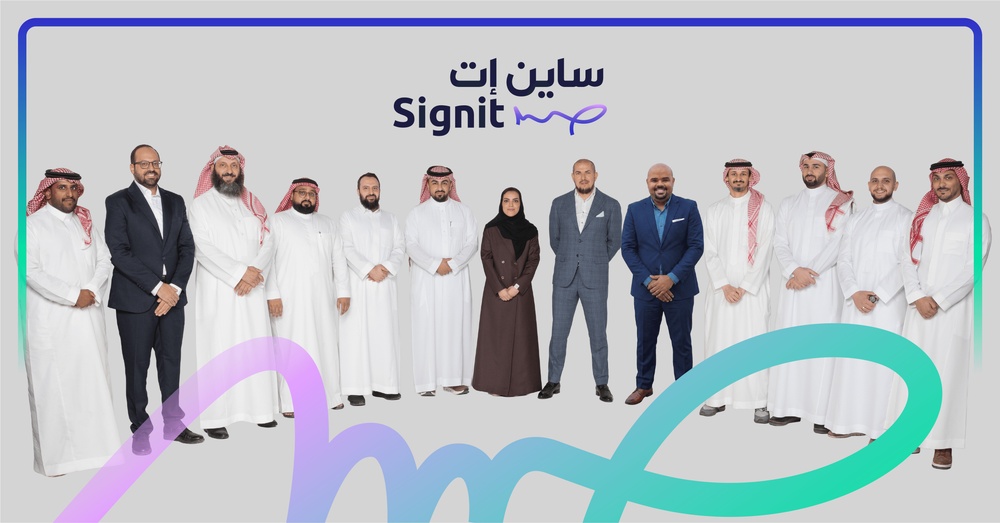
Then there is Signit. RAED led its $15 million Series A in April 2026, when the company reported more than 700 customers across government, financial services, healthcare and enterprise. Signit started with digital signatures and is expanding into AI-powered contract lifecycle management. Its founder’s explanation is the useful twist: signing occupies only one part of a contract’s life. Drafting, negotiation and management surround it.
This is a documented expansion of a portfolio company’s product, rather than a tale of RAED abandoning an earlier belief. The apparent lesson is narrower and more useful: watch where customers continue losing time after the first problem has been solved. The neighbouring task may contain the next business.
The cheque has two audiences
Founders receive investment and support. Fund investors supply the capital and expect financial returns, which RAED explicitly names as its top priority. Jada’s 2024 review records an investment in Raed Ventures III, focused on early-stage MENA technology companies with an emphasis on Saudi Arabia. That relationship sits upstream of the startup rounds. A commitment to a fund and a funding round for a founder are separate transactions.
Reported assets under management.
Capital managed, rather than revenue or company valuation.
RAED operates among regional investors such as Wamda Capital, STV and Seedra Ventures, sometimes alongside them in the same round. Its pitch centres on founder support and regional access. Whether those benefits justify a deal depends on the founder’s terms and needs. Discounts reduce selected bills; investment still comes with ownership considerations. A founder should examine both.
Now the machinery runs AI
In July 2026, RAED and Wa’ed Ventures co-led Think’s pre-seed round of more than $8 million. Think combines AI hardware and orchestration software, addressing deployment cost, complexity and control. The machinery has become more technical, but the pattern looks familiar: find something organizations need to operate and make it easier to use.
The copyable lesson needs no venture fund. Identify a compulsory, repeated task. Learn the local requirements. Solve enough of it that customers return. RAED’s published advice adds a restraint: establish product-market fit before spending growth money. The approach becomes less useful where demand remains unproved, where service benefits go unused, or where Saudi and GCC access has little relevance. Even a beautifully discounted shopping list cannot tell you whether anyone wants dinner.
Follow the work
Explore RAED’s website and portfolio, or follow the firm on LinkedIn, X and Facebook.
Read the announcements for Wafeq, SiFi, Rize, Signit and Think; explore Jada’s RAED III investment and RAED’s founder advice. Watch Husain Fekri’s interview on AI investing.