In politics, six years is not a project plan. It is three Iowa House elections, two presidential caucus cycles and enough receptions to forget who first suggested the whole thing. Yet six years is how long Griffin Finan of DraftKings says PolicyWorks stayed with the campaign to legalize internet fantasy sports in Iowa. In 2019, the Legislature passed the bill and the governor signed it. The official rules eventually arrived. The apps switched on. A stubborn idea became an ordinary tap on a phone.
That is the clean ending. The business before it was repetition: explain, revise, recruit, count, wait. PolicyWorks is a government affairs and public relations firm in West Des Moines. It has lobbyists who spend the legislative session at the statehouse and communicators who make websites, call reporters, organize lobby days and run social feeds. Its founding notion, in 2006, was a “one-stop advocacy shop.” Nearly every agency calls itself integrated now. PolicyWorks chose the word when Facebook still required a college email address.
The bill and the billboard belong together
A conventional lobby shop begins with the people who can vote. A conventional PR shop begins with the people who can notice. PolicyWorks begins in the overlap. Its government-relations team tracks bills and administrative rules, drafts amendments, prepares position papers, arranges meetings and reports legislative movement in real time. Its public-affairs team builds coalitions, finds local voices, earns media, buys media, stages events and gives the campaign a digital life.
The point is not that every cause needs every tool. The point is that a cause rarely stays in one room. A technical problem becomes a committee argument. The argument becomes a local-news story. The story prompts a constituent question. The question returns to the statehouse with a human face attached. PolicyWorks can keep the language consistent as it travels.
The roster makes the model easier to see. PolicyWorks lists the American Heart Association, Google, The Nature Conservancy of Iowa, Bristol Myers Squibb, the Iowa Professional Fire Fighters, Des Moines Public Schools, DraftKings, FanDuel and several credit-union organizations. It also lists an Iowa folk-rock band, The Nadas. This is not a coherent dinner party. It is a collection of organizations that need someone else to understand the room before they enter it.

“A six-year journey through the legislative process resulted in the Iowa Legislature passing and Governor Reynolds approving Internet Fantasy Sports in 2019.”Griffin Finan, DraftKings, in a PolicyWorks client testimonial
Then the calendar disappeared
The fantasy-sports case rewards stamina. The Nadas case rewards the opposite instinct. In early 2020, the band was preparing an album and its “Storytellers” tour when COVID-19 closed venues. The first thing to fail was not the music or the audience. It was distribution: a tour built around rooms could no longer have rooms.
PolicyWorks helped move the release and tour online. The campaign used virtual shows, Facebook Live, archive photographs, trivia and social promotion. The band could keep fans close and earn money while venues were closed. PolicyWorks says the social accounts grew sharply over six months. It does not publish the underlying figures, so the more persuasive detail is the decision itself: preserve the event's purpose, discard its physical form.
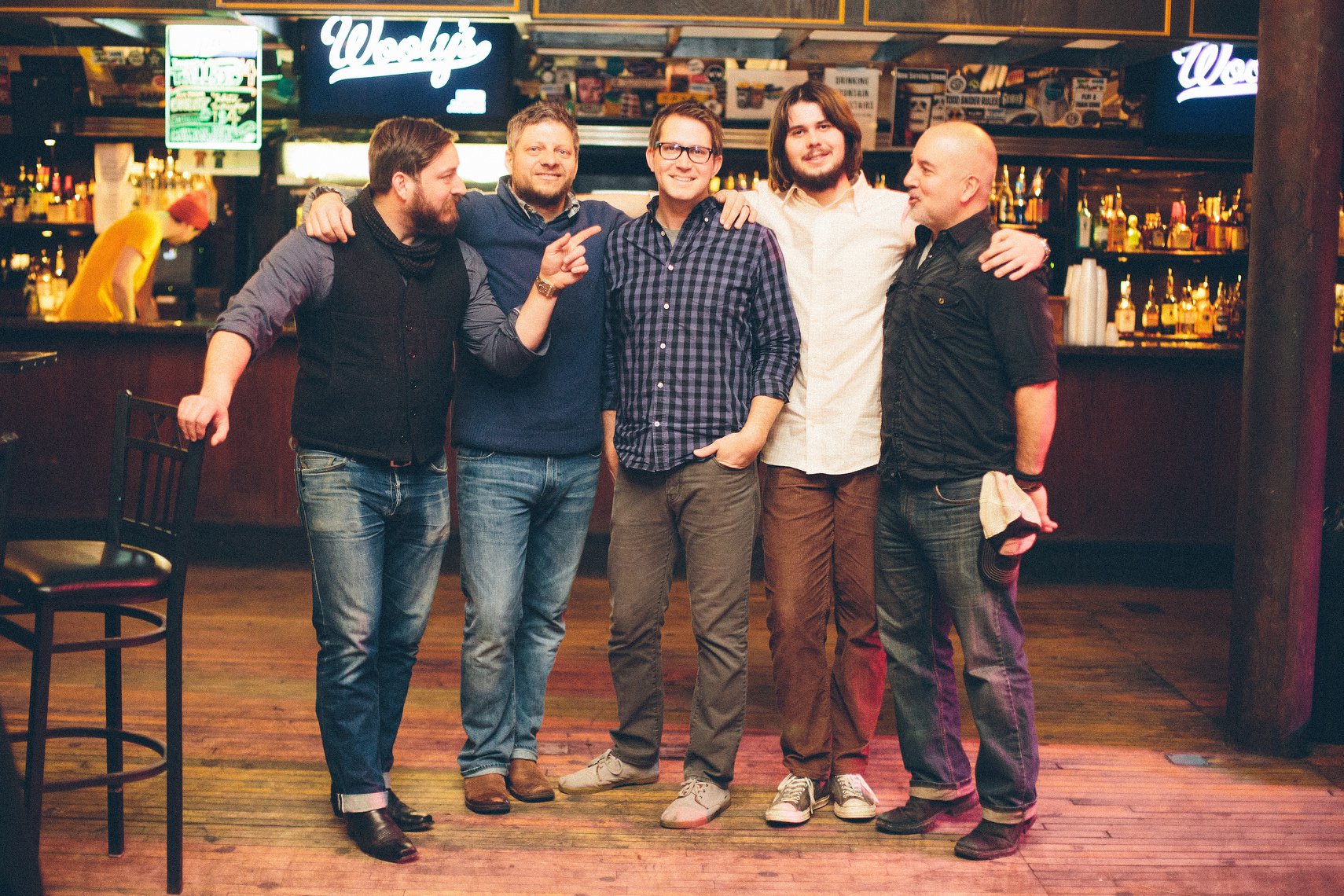
What changed their minds was not a workshop. It was a locked door. That distinction matters because the useful lesson is modest. When the channel breaks, list the job it was doing. A venue creates attention, intimacy, ritual and revenue. A livestream cannot reproduce the bar at the back, but it can do enough of the remaining jobs to keep momentum alive. The tactic worked because The Nadas already had songs, fans and a relationship worth maintaining. A virtual tour cannot manufacture devotion from an empty mailing list.
The price of having fewer seams
PolicyWorks does not operate like software. There is no checkout button for “one coalition, medium.” The firm describes a customized, consultative model. Work can include retainers and project fees, and the only responsible way to discuss cost is engagement by engagement. One public NextEra Energy lobbying disclosure records $70,000 paid to PolicyWorks in salaries, fees and retainers for the reporting period from July 2023 through June 2024. It is a scale marker, not a menu.
Clients are paying for labor, certainly, but also for fewer seams. When separate lobby, PR, design and event vendors are hired, the client becomes the integration layer. Every briefing gets repeated. Every revision risks a different version of the argument. PolicyWorks' bet is that a compact team can reduce that translation tax.
There are limits. Its clearest advantage is in Iowa, where local relationships and a full-time statehouse presence compound over years. A purely national campaign may prefer a firm with offices in many capitals. A brand looking only for consumer advertising may not need legislative fluency. And no communications plan can rescue a cause that lacks evidence, credible supporters or a decision-maker with room to move. Coordination amplifies what exists; it does not repeal arithmetic.
Copy the sequence, not the contact list
The transferable PolicyWorks habit is not knowing the right person in Des Moines. It is treating advocacy as a sequence. First, make the policy ask precise enough to draft. Second, identify the people who can validate the stakes from experience. Third, give those people language and occasions to participate. Fourth, keep the public story and private legislative work synchronized. Finally, prepare to repeat the cycle long after the launch post disappears.
That sequence explains why the firm's bipartisan claim matters more as operating discipline than branding. Clients can arrive from energy, health care, technology, education or gaming. The team includes former legislative staff, a former Iowa House Speaker, communications practitioners, designers and grassroots specialists. Their value is not agreement on every cause. It is fluency in the machinery that moves one.
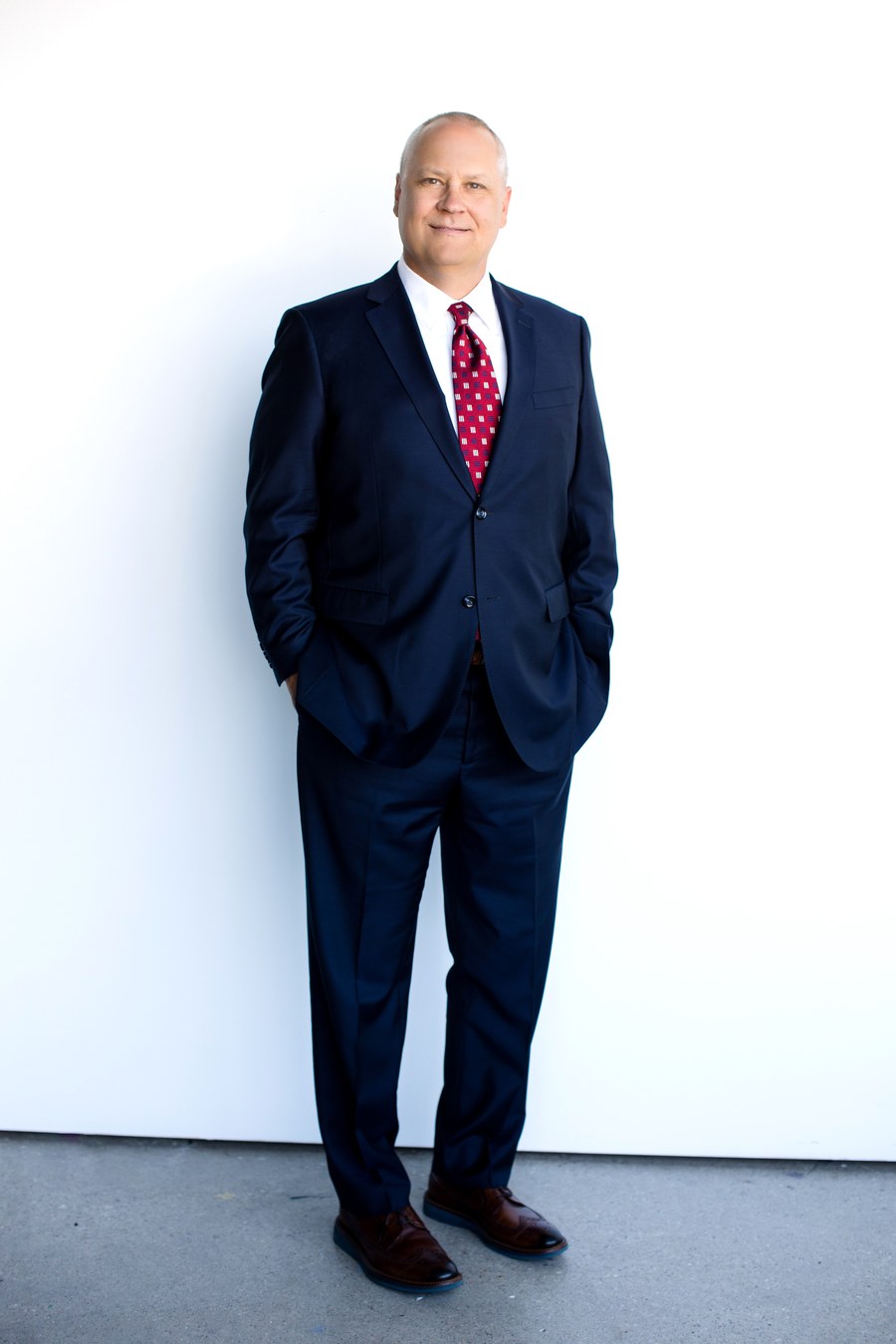
CEO Justin Hupfer helped found the firm after running government affairs for the Iowa Credit Union League. He still holds both worlds close: he leads PolicyWorks and serves in the league's advocacy operation. In March 2026, the American Association of Credit Union Leagues gave him its Eugene H. Farley League Leadership Award, citing more than 25 years in credit-union advocacy. The honor fits the deeper business. PolicyWorks sells campaigns, but accumulates institutional memory.
The six-year yes is a tidy headline because the years have an ending. Most advocacy work is less courteous. The vote slips. The news cycle turns. The coalition tires. PolicyWorks has survived by building for both clocks: the one that moves painfully slowly in committee and the one that changes before lunch. Somewhere between them, a cause gets another hearing.
Keep following the argument
PolicyWorks publishes company news, campaign observations and team updates on its own channels. These links go directly to the firm and its public profiles.