Before Pivot was a regular appointment, Scott Galloway was a guest. In 2017, Kara Swisher brought the NYU marketing professor onto Recode Decode. He suggested Amazon could buy Whole Foods. Days later, Amazon announced the deal. Here was an appealing combination: a journalist who knew the people running technology companies and a professor willing to say, out loud, what their businesses might do next.
- Twice-weekly analysis of tech, business, and politics.
- Free audio and video; advertising and live events pay the bills.
- The repeatable lesson: test the chemistry, then build the habit.
The guest who stayed
A lucky prediction does not establish a franchise. The response to the guest mattered more. Swisher later described a jump in downloads for someone who was not yet widely known. When she considered partners for a new show, Galloway made the shortlist. The audience had already supplied a little evidence. There was something here besides two impressive résumés.
Recode and Vox Media launched Pivot in 2018. It began weekly; by its April 2020 move to New York Magazine, the Tuesday-and-Friday schedule was established. Its official promise was pointed: “With great power comes great scrutiny.” The subjects were companies, the people controlling them, and the decisions that spilled into everyone else’s life.
A newsroom and a classroom
The pairing gives Pivot its shape. Swisher comes from technology journalism and interviews. Galloway comes from marketing, entrepreneurship, and teaching. One useful way to hear the show is as two questions asked of the same headline: what are these people actually doing, and what does the business model reward?
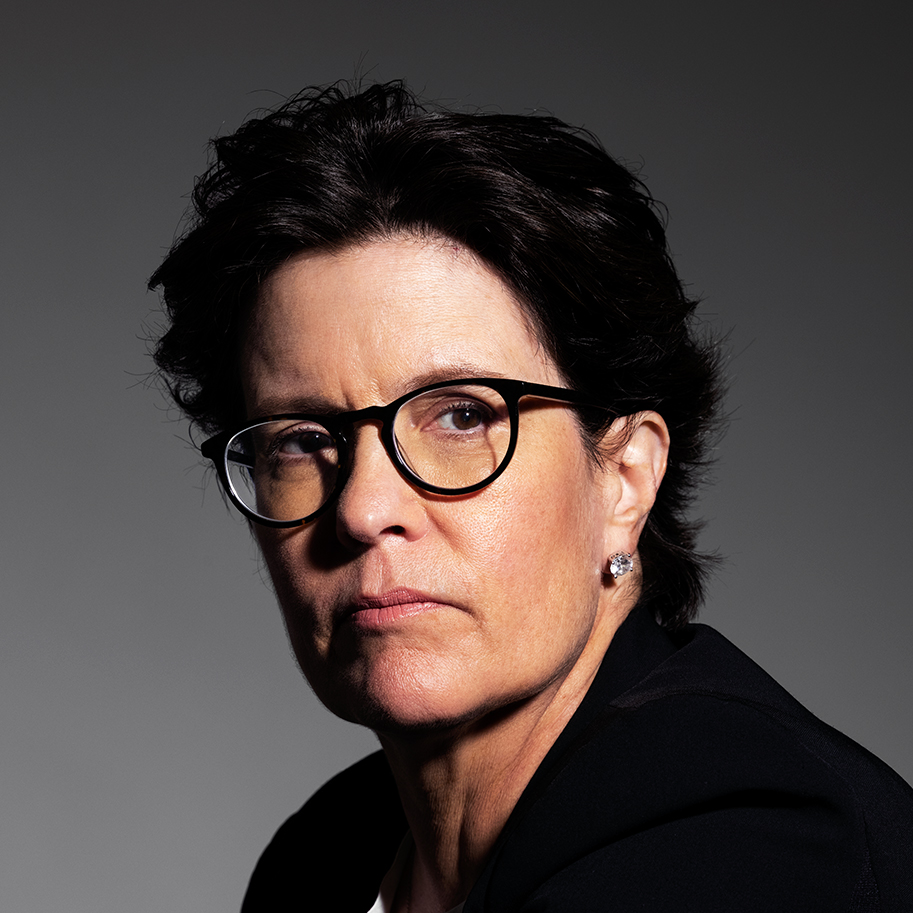

Their recurring winners, losers, and predictions give the conversation handles. A listener can argue with a conclusion, revisit a forecast, or ask a question for the mailbox. The jokes and interruptions are part of the attraction. The product includes the relationship between the hosts, with all the friction that implies.
For people following technology without reading every filing or interview, that combination offers an entry point. It connects a corporate announcement to incentives and consequences. Someone preparing for a meeting might leave with a sharper question about a platform’s power or an executive’s motives. That is a useful outcome even when the listener disagrees with the answer.
Its market position depends on that mix. A straight news bulletin can deliver the event faster. A specialist interview can linger over one subject. Pivot puts interpretation and personality in the foreground. That makes it useful for listeners who want to understand why a business story matters while enjoying the people discussing it.
Free to hear. Valuable to sell.
Pivot has more than one customer. Listeners get regular audio episodes and YouTube videos without buying a subscription. Advertisers buy access to that attention. Vox Media’s podcast advertising operation sells reads, produced segments, and integrated campaigns. Live audiences buy tickets; event sponsors buy an association with the gathering.
In a 2026 AP interview, Galloway projected Pivot would be a $15 million to $20 million business that year, with a staff of five. Those are a participant’s figures, not audited accounts. They nevertheless help explain the appeal of this format: a small production operation supporting a recognizable, recurring program.
A different number needs more care. Reporting on the hosts’ 2025 Vox agreement described roughly $100 million in expected revenue across their broader podcast portfolio over four years, with the hosts receiving a substantial share. Calling that Pivot’s valuation would be a mistake. Revenue, contract payments, and the price of a company answer different questions.
The forecast that lost
Confidence creates another accounting problem. A memorable correct prediction can become a permanent advertisement for someone’s judgment. The misses are easier to forget. Pivot’s October 25, 2019 episode description offers a useful counterweight: Tesla had proved Galloway wrong with strong earnings. The show put the contradiction into its own public record.
A good forecast gives you a question to test.
It should not end the questioning.
That is how to use the program sensibly. Ask what assumptions support a claim, what evidence would overturn it, and whether the speaker has moved from explanation to speculation. A forceful voice can make both sound equally settled. The listener has to separate them.
The record also includes a November 2023 correction of an erroneous loss figure for Truth Social’s parent company. Pivot changed the figure from $73 million to a $35 million operating loss, citing SEC filings. These episodes reveal a practical requirement for any commentary business: the machinery for correcting a claim matters alongside the machinery for making it entertaining.
Take the argument on the road
In 2025, Pivot began publishing full episodes on YouTube and announced its first national tour. The move carried an established conversation into new settings. A screen makes expressions visible. A theater makes the audience visible to itself. Both add something to a format whose regular listeners already recognize the voices.

Vox’s events executive Tara Reilly linked the tour decision to successful live shows and the video launch. That sequence is instructive. Each expansion followed evidence that people wanted another way to experience the existing product. The underlying bet was continuity: keep the conversation recognizable while changing the room around it.
There is a choice for the audience, too. Audio fits a commute or a walk. Video lets viewers follow the exchange on a screen. A live ticket buys proximity and an occasion. A publisher considering those options should ask which experience people want enough to change their routine, rather than assuming every listener wants every version.
Borrow the habit
For a smaller publisher, the accessible lesson starts before the recording equipment. Test a potential partner with a real audience. Choose people who contribute different kinds of expertise. Give the discussion recurring features and a reliable timetable. Then watch whether people return. Distribution can expand after the format earns that return visit.
The conditions matter. A pair of strangers reading headlines cannot instantly reproduce years of reporting, teaching, or public familiarity. Advertising requires demand for the audience. Touring requires people willing to pay and show up. If the hosts’ friction obscures the subject, the listener is buying irritation with time.
Pivot sits among technology and business conversation shows such as Hard Fork and All-In; Decoder offers another route through executive interviews. Its particular appeal is a continuing relationship between two experts who see the same story differently. The news gives them fresh material. The familiar argument gives the listener a reason to come back.