The difficult part of hiring someone abroad may begin after you have found them. The interview went well. The salary is agreed. Then somebody asks which company will sign the employment contract, how benefits will be handled and whether the person can legally work where you need them. A recruitment success becomes a small administrative expedition.
PIO makes its living in that interval. Formerly PayInOne, it combines software with employment and payroll services so a business can organize an international workforce without assembling every local arrangement itself. Its particular hunting ground is the Chinese enterprise expanding overseas, where ambition travels rather faster than knowledge of the destination’s employment system.
- PIO joins contracts, payroll, benefits and visa support around an overseas hire.
- Its EOR service lets businesses hire through local employment arrangements without opening their own entity.
- Published EOR fees start at $299 a month per employee; salary and other employment costs still need budgeting.
- Its newer AI and recruiting products extend a business originally associated with payroll.
The country hiding inside the job offer
In a company-hosted Caixin interview, founder Tan Lin described a frustrating pattern: international hiring required a succession of local service providers. Each new destination added another set of people to coordinate. Payroll, benefits, contracts and local requirements could become separate conversations conducted through email and telephone.
“Wherever companies hire people or pay salaries overseas, they have to find local service providers.”
Tan Lin · founder, in a company-hosted Caixin interview
The useful observation is about coordination. Paying one person is a transaction; repeatedly reconciling different providers is an operating model. Software can reduce the copying, chasing and checking between those providers. Local expertise still has work to do. Putting both behind one service is the commercial proposition.
PIO’s account of its origins connects that problem with the growth of remote work and companies entering new markets. Its published mission is to make global work and payments easier for businesses and individuals. The practical expression is less poetic: let an HR team deal with a manageable process while the employment arrangements happen locally.
Longsys needed more than a payslip
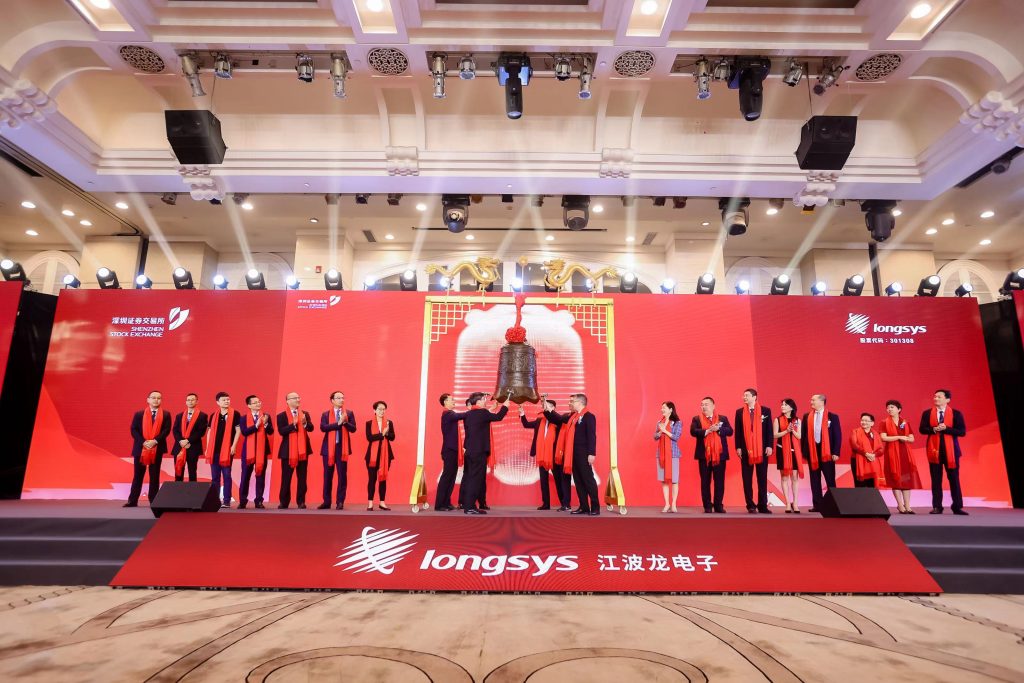
The semiconductor-storage company Longsys supplies a useful example. In PIO’s published case study, Longsys needed to hire in South Korea and the United Arab Emirates. Work visas and employment requirements were part of the problem. So was understanding the bill: salary was visible, while benefits and social-security contributions were less familiar.
PIO says it combined work-visa assistance with Employer of Record services, handling documentation and coordinating local employment. It also provided cost breakdowns. Longsys could use those arrangements to hire without setting up its own entity in each destination. The case is a company account, but the combination of tasks explains the product better than a country counter does.
Other published stories include industrial group CIMC ENRIC and aerospace business Stratton Aviation. That customer mix gives PIO a useful identity. The work involves businesses moving people and operations across borders, as well as teams collaborating remotely. Visa support belongs in the menu because the employee sometimes has to cross the border too.
Three ways to employ a person, four ways to bill
The product menu starts with a decision about the working relationship. An Employer of Record arrangement serves a company that needs an employee in a destination where it has no local entity. PIO coordinates the employment contract, payroll and benefits. Its Payroll product serves a different situation: the client already has its own entity and needs help running payroll.
Contractor Management brings agreements, invoicing and payments together. PIO supports fixed contracts, payment for hours or projects, and milestone arrangements. Its product page even describes API and wallet payments for KOLs, the creators whose compensation can arrive irregularly. Global workforce administration has room for people who never receive a conventional payslip.
Contractor of Record adds a different contractual role: PIO contracts directly with the contractor and provides compliance support. The distinction matters. PIO’s pricing FAQ says classification depends on the actual working relationship and local law. Buying a different product cannot make the facts of a working relationship disappear.
For expenses, PIO Card offers another route. The virtual-card tools include labels, transaction summaries, top-ups and controls to freeze or discard a card. That extends the platform into what people spend while working, not only what they earn. An employee’s subscription purchase and their salary may be different transactions, but both eventually visit finance.

The $299 question
PIO publishes a starting EOR service fee of $299 per person per month, with prices varying by country. Payroll starts at $29. Contractor Management is $19, and Contractor of Record is $149; the latter two charge their service fee in months when payroll runs. Visa and card services require a conversation about price.
Per person. Country, service scope and options affect the quote. Contractor and CoR fees apply in payroll-active months. Reviewed September 2026.
Those are service prices. A sensible employment budget also accounts for pay and the relevant statutory costs. PIO’s Cost Estimator asks for the country, currency and salary basis, and includes categories such as social security, income tax, health insurance and statutory benefits. It labels its results as estimates, dependent on employee details and local requirements.
The number invites comparison. Deel’s published EOR price is $599 per employee per month; its contractor price is $49. PIO’s starting figures are lower. That is a reason to request a quote, not a verdict on the whole service. A buyer still needs to compare the same country, benefits, responsibilities and contract terms.
Deel, Remote, Oyster and Multiplier occupy adjacent territory. PIO’s more distinctive proposition is its experience with Chinese businesses going abroad, combined with workforce services and a relatively low published entry price. Its about page reports more than 20 international entities alongside wider coverage in 150+ countries. A buyer should ask which employment arrangement applies in the specific destination.
PayInOne outgrew the payslip
In July 2025, PayInOne announced the PIO identity: People, Intelligence, All in One. The accompanying announcement described a move beyond its original payroll and EOR focus. Rebranding gave the expanding menu a name broad enough to hold it.
In November 2025, PIO unveiled Foundire at the China International Import Expo. The recruiting platform connects resume screening, interviews, reviews, offers and background checks. PIO also reported event collaborations with organizations including PayPal and Hong Kong Science Park. These activities place the company close to the Chinese international-expansion conversation.

Recruiting moves PIO earlier in a customer’s process. Payroll starts after a hiring decision; screening and interviews start before it. The business logic is straightforward: serve more of the same employer’s journey, with fewer transitions between tools.
The current website makes Genie Agent prominent, assigning AI cost reconciliation, expense pre-screening and initial business and identity-document checks. PIO says experts review critical steps. That division of responsibility is more interesting than a generic promise of automation: software flags discrepancies, and people decide what needs attention.
Copy the order of operations
The habit worth borrowing is to work backwards from the first successful payroll. Before making an offer, estimate the full employment cost. Establish the working relationship and whether a local entity already exists. Check mobility needs alongside hiring needs. Then choose the service that matches those facts.
An employer with an established local operation may need payroll coordination rather than EOR. A visa application still depends on eligibility and the destination’s process. A contractor arrangement still needs to fit how the person actually works. PIO is useful where the administrative jobs can be brought together; its value depends on the details of the intended hire.
International expansion sounds grand until somebody has to calculate the first contribution or collect the first missing document. PIO sells a practical way through that moment. The employee can get on with the job, and the company can discover whether its new market is worth the effort.