A house can be too busy for its owners. Philip Mekelburg has built much of his working life around that awkward possibility. At Equity Estates, the vacation-home investment business he co-founded in 2006, an empty night has a purpose. It leaves someone room to make a reservation. The company currently targets 57 percent occupancy, an unusual ambition in a travel industry that generally likes its beds occupied.
For Mekelburg, the problem begins with people who can afford a beautiful place but cannot easily arrange a life around it. They want to travel. They want their family or friends to come. They also want to know what they own, who is looking after it and what happens to their money eventually. A swimming pool answers very few of those questions.
His solution puts vacation residences inside private investment funds. Investors share ownership of a portfolio, use the homes and contribute to their operating expenses. The properties are intended to be sold at a defined exit. The arrangement gives Mekelburg two tasks that occasionally pull in different directions: buy houses people will enjoy, and buy assets that will make sense when the holidays are over.
A wedding, then a business
The idea began with a conversation at a wedding in 2004. The question was straightforward: could people share attractive vacation homes with a structure that took both their enjoyment and their ownership seriously? The early name for the idea was friendshare. It sounds pleasantly informal. Making it work required more paperwork than lending someone a spare key.
Mekelburg and Adam Capes launched Equity Estates in 2006. Both were Cornell alumni, from different graduating classes. In a fraternity alumni note that autumn, Mekelburg announced the new venture and described a fund acquiring luxury residential properties in beach, ski, leisure and city destinations. Investors would own the homes and use them with concierge support. The business was then working on its first five acquisitions.
That early note is useful because it catches the project before the long lists of destinations. Mekelburg was describing something under construction. The company’s vocabulary has since become more polished, but the essential combination was already there: ownership, travel and someone else handling the arrangements.
In 2007, he became an investor himself. Prospects had been asking whether he used what he was selling. Buying a membership interest demanded a financial commitment from a founder still in his thirties. “It was a stretch at the time,” he recalls. That admission gives the decision a little weight. Participation cost him something; it also gave him a seat on the receiving end of the service.
Before the second homes
Mekelburg graduated from Cornell in 1991. His route to vacation real estate passed through corporate training and management consulting, then a retail venture he built and sold within four years. His later podcast biography records that the industry elected him president of its international association. He subsequently became director of operations at a financial-services firm, working with channel sales and specialty financial products.
The sequence helps explain the combination of skills his later business would need. Training involves communicating an idea so other people can use it. Consulting involves examining how an organization works. Retail puts the customer’s response close at hand. Financial services brings a different set of questions about structure, money and distribution. His eventual company would require an understanding of all four.
There is no need to dress that career in the language of destiny. A vacation-home fund needs somebody who can explain the investment and somebody who can make the experience work. Mekelburg’s earlier jobs placed him near both problems. By the time he was selling the idea of shared residences, he had already run a business and experienced the less decorative side of operations.
The view can wait. Check the attic.
His own writing about acquisitions offers a less glamorous picture of the job than the destination photographs do. In March 2021, he described three practices: listening to investor preferences, maintaining relationships with local realtors, and combining patience with due diligence and a willingness to renovate. A relationship in a promising market might continue for a decade before producing a purchase.
He also described getting into attics and crawl spaces himself. Ordinary inspections, he argued, could miss consequential details. Discovering a problem provided information for a negotiation; some discoveries justified walking away. There is something reassuringly literal about this account. A founder in luxury travel still has to consider what is happening underneath the floorboards.
The discipline now appears in the company’s stated acquisition criteria. Destinations are evaluated for access from major American cities, a long usable season and local infrastructure. International purchases require attention to title protections, transfer rules and taxes. A property’s future expenses also matter. The team models equipment, furnishings and capital requirements before deciding whether a purchase belongs in the portfolio.
These are choices that connect his two jobs. Convenient travel helps a family use a house; it may also widen the eventual buyer pool. Good upkeep makes a stay pleasant and helps preserve the asset. A troublesome renovation can consume both money and patience. The appeal of the view has to survive the arithmetic.
“Don’t be afraid to get into the attic”
Philip Mekelburg, on buying homes, 2021
A fund with a grocery list
On the other side of the purchase sits an entirely different kind of work. Equity Estates’ service model includes asset management, vacation concierges and account management. One team looks after the homes, another arranges the trips, and another helps investors navigate their access. The division is sensible: a property can be maintained perfectly and still provide a disappointing holiday if the planning goes badly.
The details are often modest. Kitchens need provisions. Reservations need confirming. Someone must explain the house when guests arrive. Those tasks rarely make a dramatic photograph, yet they determine how much of a trip is spent enjoying the destination and how much is spent organizing it. Mekelburg’s business has to account for both.
Occasionally, the request is more theatrical. In a 2014 interview, he described a New York anniversary re-proposal organized by the concierge team. It involved a flash mob, musicians, a photographer, a videographer and a Broadway actor. The couple were lifted in chairs for a celebratory dance. The reported hitch was the ring, which was too small.
The anecdote is funny because it gives a human scale to all the talk of service. A team can coordinate a street performance and still be defeated by a finger. It also shows the distance between owning property and delivering an experience. The house is part of the proposition. The people who can arrange something memorable are another.
Twenty years of arrivals and departures
The company developed through successive funds rather than one endlessly expanding pool. Fund II launched in 2013. Expeditions followed in 2015, taking the travel offering beyond stays in the residences. Fund V raised $50 million and sold out in 2022; Fund VI ultimately raised $60 million. The company’s timeline records Fund VII selling out with more than $68 million in 2026, followed by Fund VIII.
The fund boundaries matter. Each vehicle has its own portfolio and lifespan, while reciprocal arrangements broaden the homes available to investors. The investment story eventually includes selling properties, not simply buying more. Enjoyment happens along the way; the financial outcome depends on the assets, expenses and exit. A holiday photograph cannot tell you the final result.
In discussing Fund V in 2022, Mekelburg said it had sold out in seven months and that roughly 35 percent of its investors had come from Fund I. Returning investors were a meaningful part of that round. For a business built around repeated travel, the decision to join another fund is a particularly concrete form of feedback.
By October 2026, Equity Estates was presenting Fund VIII with a funding goal of about $70 million. Two decades after the launch, Mekelburg still leads the company. The central task remains recognizable: make shared ownership work well enough that people want another trip, while managing the houses through a longer financial cycle.
The beach, the boat and breakfast pizza
His attachment to travel predates the funds. Growing up near Long Island’s south shore, he remembers beach outings with boogie boards and picnic baskets. His mother helped establish that habit. In December 2021, he wrote about a Hilton Head stay with her, his wife and his children. The sound of the ocean still brought back childhood feelings.
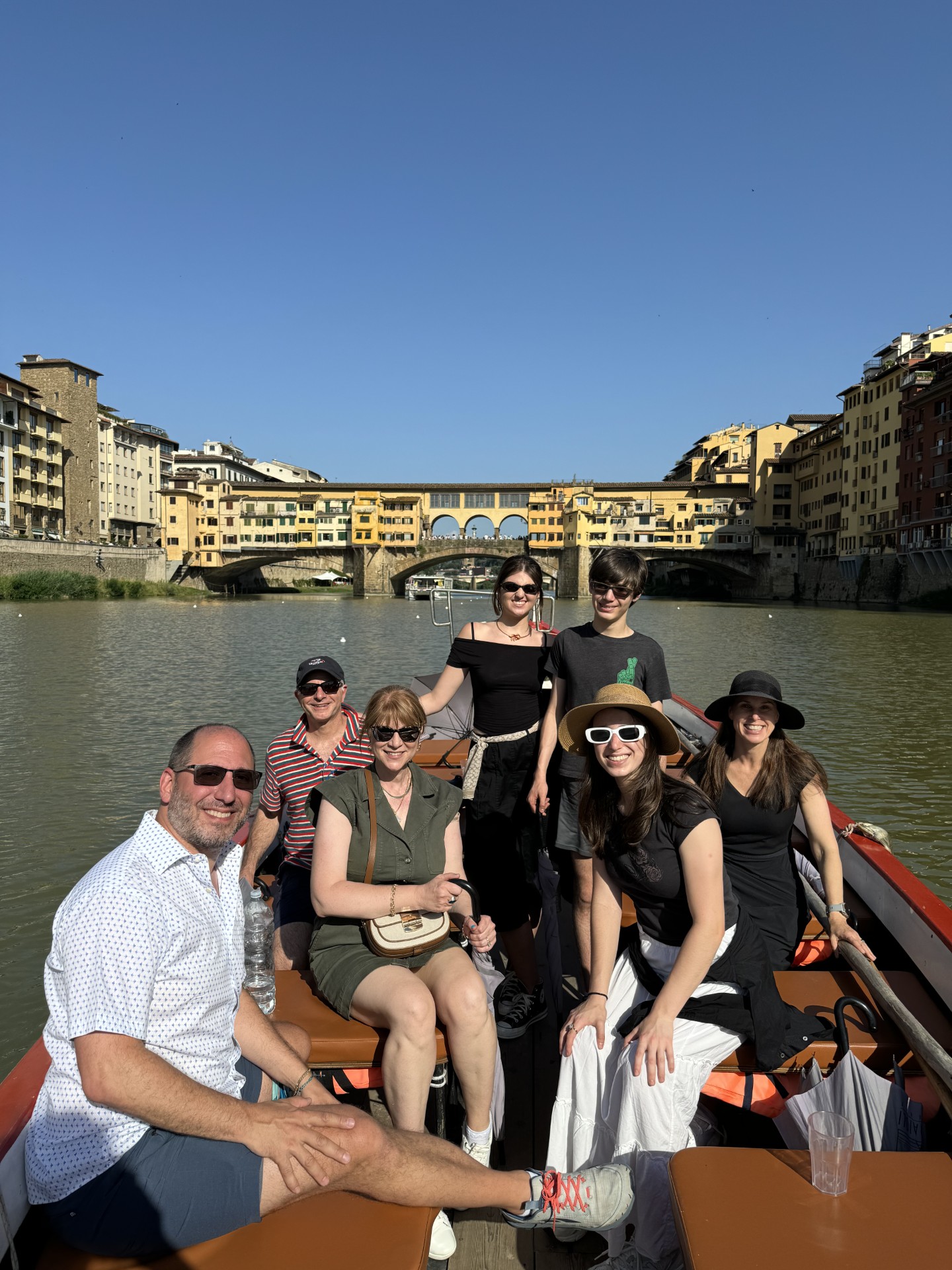
There is a pleasing continuity between those childhood excursions and the adult business. In both, the destination provides the setting for time with other people. The circumstances have changed considerably. The wish to gather has remained easy to recognize.
Then there is the pizza. In a public post about a Napa residence, Mekelburg described himself as a novice pizza maker and celebrated the property’s oven. “I love making fires and I love pizza!” he wrote. He enjoyed the experience enough to get up early, tend the oven and make breakfast pizza for everyone. He was already looking forward to another pizza-making party.
That detail earns its place beside the funds and property inspections. It shows him using a home, finding an activity he enjoys and drawing the people around him into it. Even a founder who sells the convenience of having things arranged may choose to spend his own holiday doing a little work before breakfast.
Leaving space in a house’s calendar is an abstract operating decision. Filling that space with a boat ride, a family beach week or an overenthusiastic session at the pizza oven is the personal part. Mekelburg has spent twenty years building the arrangements between the two. The house has to be available. Somebody still has to decide what to do when they get there.
Continue the conversation
Interviews, his own writing and places to follow the work.
Philip Mekelburg on LinkedIn ↗Equity Estates ↗His essay on buying in a seller’s market ↗The 2014 concierge interview ↗The 2022 Fund VI interview ↗Listen: Invest Like a Boss, episode 152 ↗Listen: Capital Hacking, episode 115 ↗Watch: Equity Estates on YouTube ↗