For a while, the cleverest thing about imo was that it belonged to everybody else. In one browser window, a person could speak to friends on Google Talk, Facebook, Yahoo Messenger and Skype. PageBites, the Palo Alto company behind it, made a tidy promise: stop keeping a separate window open for every corner of your social life. Then the corners began to close.
- PageBites makes imo, a messaging and voice and video calling service for people keeping in touch across devices and borders.
- In 2014, it ended support for rival chat networks after access and reliability problems weakened its original product.
- Today’s imo includes large group chats, translation, a browser version and imo Lite for slower connections.
- Core calls and messages are free; advertising, premium features and in-app purchases support the business.
The company’s first insight was good. Chat had become absurdly fragmented, and a single front door made sense to anyone with friends in more than one network. But there was a catch concealed in that useful convenience. PageBites controlled the door; somebody else owned every room behind it. When a message failed, the person using imo did not call Facebook or Skype. They blamed imo.
The first crack was a Skype login
In 2013, Skype blocked imo’s access to its network. The change was sudden enough that users could reasonably think imo had broken. Elsewhere, the trouble was quieter and more corrosive: imo could not always show the right status for Google Hangouts contacts, and Facebook treated outside chat clients differently from its own products. Some messages did not arrive. This is the sort of technical defect that becomes a social one. A late reply looks like indifference long before it looks like a protocol problem.
Georges Harik, PageBites’ co-founder and an early Google employee, later described an engineering team forced to make a choice. New mobile messengers were less willing to let third-party apps in at all. The universal inbox, once imo’s advantage, was becoming a product held together by other companies’ permission. As Harik put it, “We can’t keep sailing against the wind.”
The company did not glide into a fashionable “pivot.” It took away the feature some users had come for. The March 2014 notice gave them only days to export their histories from third-party networks. Ralph Harik, co-founder and CEO, said the company wanted to concentrate on fast, reliable messaging, voice and video for people around the world. The switch made the product narrower in one obvious sense: it no longer let you talk to every network. It made the company responsible for much more of the actual conversation.
The moment a customer blames you for a system you cannot repair, convenience has become a liability.What PageBites’ early history makes plain
A call has to work at the other end
The present imo is a long way from that browser tab full of rival logins. It lets people send messages and files, make voice and video calls, hold group conversations, translate messages, and move between phone and computer. PageBites says the service reaches more than 200 million users in more than 170 countries and regions. Those are company figures, and they describe a genuinely international problem: the person you want to see is often on a different device, a different network, or a different data plan.
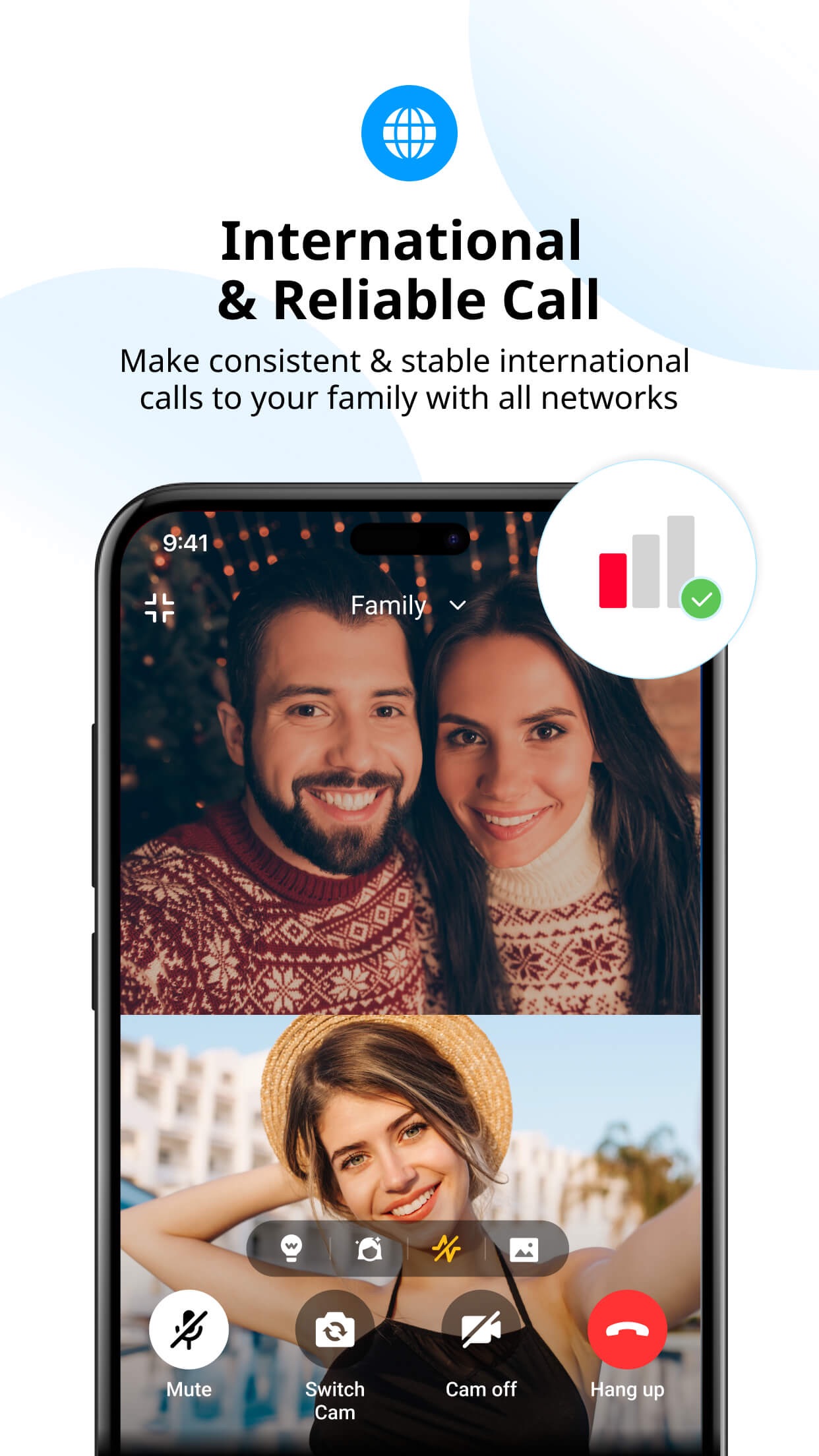
That is why imo Lite is more revealing than another row of stickers. The Android version pares back the interface and data demands for budget phones and slow connections. imo says it can run on a phone with 1GB of RAM and a 2G network. A person on a weak signal may be better served by a voice call that holds together than by a pristine video call that freezes. The company’s own guidance says as much: switch to audio when the network struggles. It is an unusually practical answer to the question of what “global” ought to mean in a communications app.
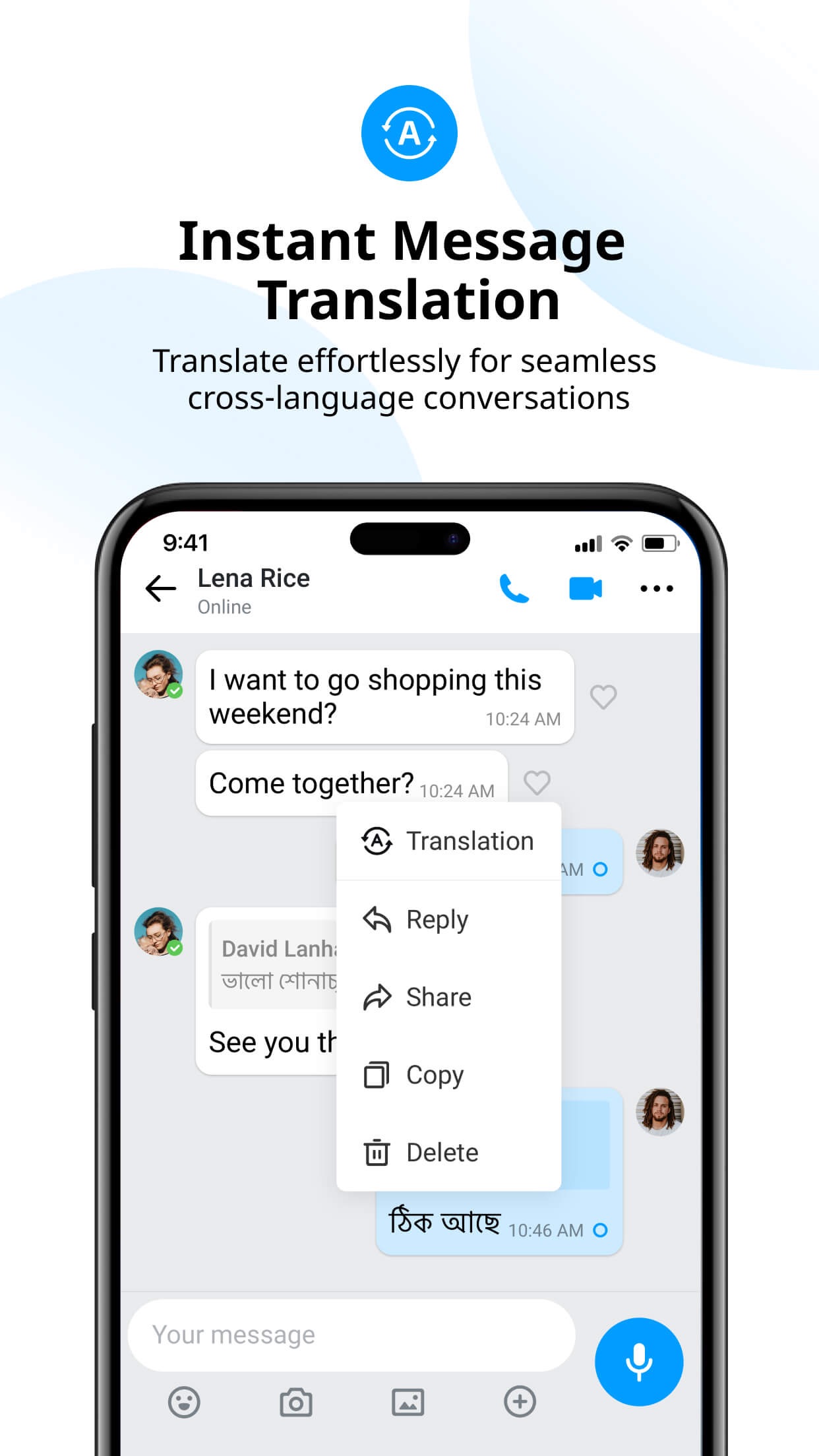
There is also a social side that complicates the simple family-call story. imo offers groups of up to 5,000 people and group video calls with up to 20, by its own account. VoiceClub adds live audio rooms where people can meet beyond their contact lists. The company was experimenting with social discovery as early as 2012: its “Meet New People” feature drew 65,000 early users. The ambition is familiar, but the sequence matters. A tool for reaching people you already know can become a place to find people you do not.
The price of a free conversation
Internet calls avoid a per-call fee inside imo, though data charges can still exist. PageBites earns money around that free core through ads, optional premium features and in-app purchases. In 2014, Georges Harik told a reporter the company did not yet have a business model. Later, imo found a measurable one in the space between ads and paid perks.
A Google AdMob case study describes a modest experiment rather than a grand conversion story. imo first offered rewarded video ads to 5% of its global Android users. A viewer could receive in-app diamonds and use them for premium benefits, including an ad-free chat experience or gifts for a group host. The test ran for two weeks; the team then raised exposure to 10% and watched whether people kept using basic calling functions. Google reported a 5% rise in in-app purchase revenue, with no observed harm to retention in that test. The precise price of each premium feature varies, but the mechanism is clear: watch an ad by choice, sample a perk, perhaps pay later.
This matters because a communications app has to be present without being intrusive. Every ad placed in a conversation is a small tax on attention. A rewarded ad makes the exchange explicit, though it still depends on users finding the reward worthwhile. It is a lesson other consumer apps can copy only when a free product is already useful and the paid benefit can be tried without disturbing that usefulness.
The small company behind the large map
PageBites describes a technically seasoned Palo Alto team that includes programming contest finalists and informatics medalists. The company raised about $10.26 million in a 2010 Series A, followed by roughly $13.3 million in 2013 from co-founder Georges Harik. Those rounds bought time to build and rebuild, but they do not explain the product by themselves. The more telling decision came after the financing: accept that a universal front end could not force rival networks to stay open.
imo now competes with WhatsApp, Viber, Telegram and Signal for a place in people’s daily conversations. Its own comparison with WhatsApp leans on large groups, calling across devices, and social audio; imo Lite gives it a separate answer for older phones and weaker connections. In 2026 the company also announced imo Web, bringing messages back to the browser where its original idea began. The browser survived. The borrowed networks did not.
The useful thing to copy from PageBites is a diagnostic question: which part of your promise can another company quietly switch off? imo learned the answer through broken access, missed messages and irritated users. Once it knew, it changed the product people had signed up for. That is an expensive decision in goodwill as well as engineering. It only makes sense when you can offer a real replacement and persuade both sides of a conversation to show up. PageBites did not solve the internet’s fragmentation. It built a place where it could at least be held accountable for the call.