Imagine a Salesforce administrator opening a perfectly healthy application and finding perfectly useless records. A bulk update has overwritten the wrong fields. Customers are still calling. Salespeople are still working. The software is available; the information they need has changed. For a business that moved to the cloud to stop worrying about computers, this is an irritating discovery. The computer was never the whole problem.
- The job: back up SaaS data, spot unwanted changes and restore the affected records.
- The expansion: archive old data, seed test environments and protect sensitive information.
- The twist: OwnBackup became Own in 2023. Salesforce acquired it in 2024.
The server is fine. The data isn’t.
OwnBackup built its business around the distance between those two statements. Keeping a platform running and returning a customer’s data to a useful earlier state are different tasks. An accidental deletion, a faulty integration or a malicious change can damage an account while the surrounding infrastructure behaves exactly as designed. The buyer needs a way to identify the damage and repair it.
That distinction explains the company’s enduring appeal to administrators, security teams and developers. The product now called Salesforce Backup & Recover, formerly Own Recover, automates backups and helps users compare versions, investigate anomalies and restore selected data. Think of it as an undo button with a better memory and a more demanding audience.
Good technology. Unfinished sales.
The early business was less tidy than its eventual pitch. A June 2015 investor memo from Horizon Capital, then Oryzn Capital, describes a company emerging from data restoration services. It initially pursued smaller customers across Gmail, social media and Salesforce. Traction in Salesforce pulled its attention toward enterprise platforms.
The memo’s useful admission was commercial: organic interest existed, but growth was inconsistent and customer acquisition costs were unmeasured. The proposed answer was an American inside-sales team and larger enterprise contracts. There is a lesson here for founders who mistake enthusiastic inbound enquiries for a repeatable business. The software had proved something. Sales still had work to do.
Sam Gutmann brought experience from founding backup company Intronis. Ariel Berkman brought the recovery technology background. Ori Yankelev, Eran Cohen and Daniel Gershuni were also part of the founding group. Own dates its inception to 2015, although its Salesforce AppExchange relationship reaches back to 2012. The earlier partnership helps explain why a young company already knew its way around the ecosystem.
The family tree inside a CRM
A CRM record rarely lives alone. An account connects to contacts, opportunities and other objects. Restore the wrong pieces in the wrong order and you can recover the words while damaging their meaning. Own’s selective recovery aims to preserve these relationships and leave legitimate later changes intact.
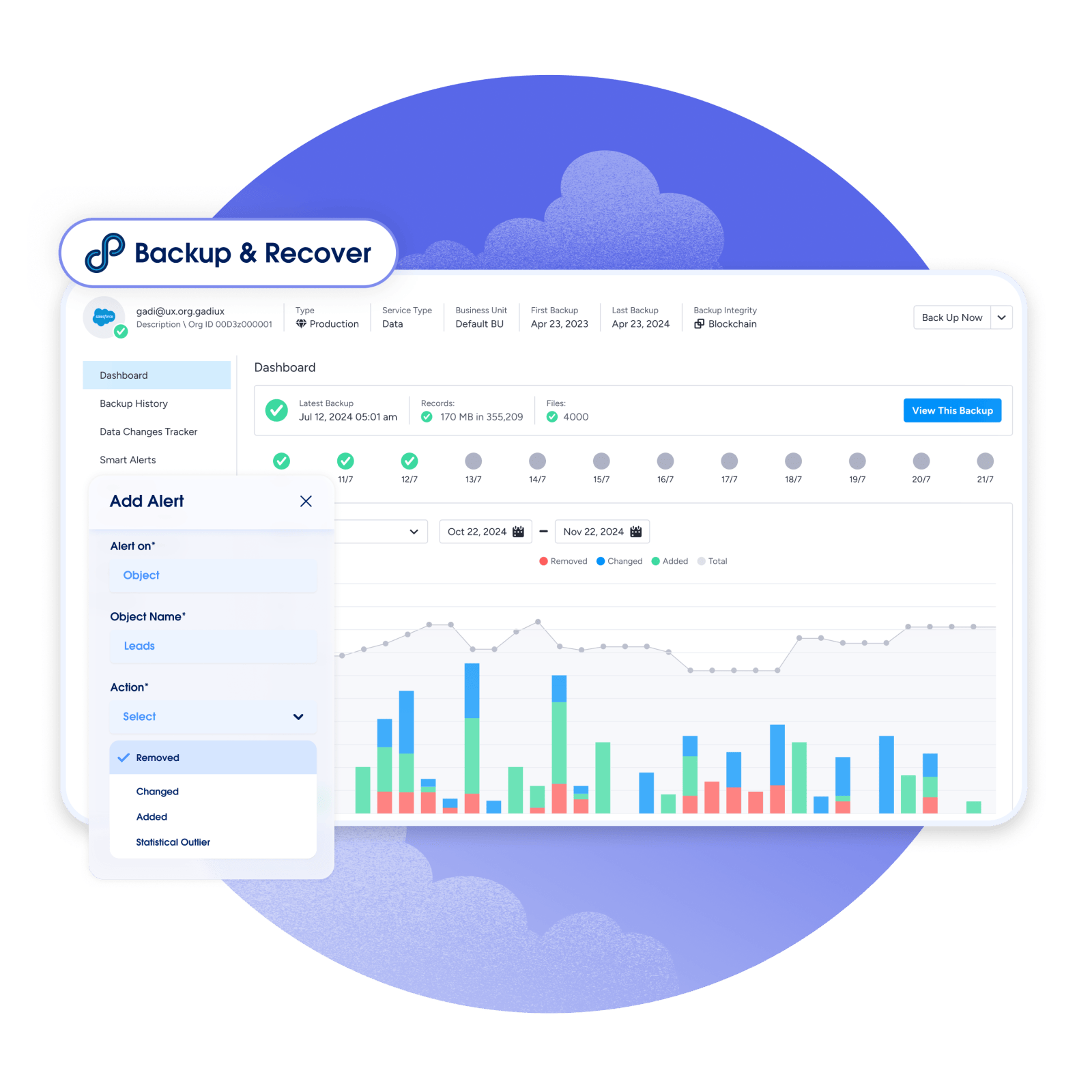
The workflow is concrete. Capture a backup before a deployment or mass update. Compare it with a later snapshot. Find what was added, removed or overwritten. Restore the affected records or fields. Smart Alerts flag unusual changes; they give administrators a reason to investigate before a colleague reports the problem.
These capabilities make Own an enterprise SaaS data protection business, rather than general-purpose storage. They also make comparison necessary. Gearset offers Salesforce recovery alongside DevOps tools, seeding and archiving. Spanning offers SaaS backup across Salesforce and collaboration platforms. Own’s present distinction includes its place inside Salesforce’s portfolio. Selective recovery alone does not settle the contest.
“No company operating in the cloud should ever lose data.”Own’s stated belief
A name that got too small
Backup creates copies. Once those copies exist, customers find other uses for them. A developer needs realistic test records. An administrator wants inactive information out of production storage. A security team wants to understand exposure. OwnBackup expanded into sandbox seeding, archiving and security, then shortened its name to Own Company in 2023.
One published customer account makes the change tangible. At nonprofit publisher David C Cook, CRM administrator Boyd Moon described discovering oversized, unnecessary tables while implementing Own for Microsoft Dynamics. Selective backups and field-level restoration offered a more precise approach than copying entire tables. His team also needed a way to address personal information remaining in backups after removal requests.
The product portfolio follows these everyday irritations. Archive moves inactive records into long-term storage while keeping them accessible. Data Mask & Seed creates realistic development datasets while obscuring sensitive details. Microsoft and ServiceNow support widened the addressable market beyond the company’s Salesforce roots.
The partner becomes the owner
Investor appetite arrived in large cheques. January 2021 brought a $167.5 million Series D. August brought a $240 million Series E, including a secondary component, at a $3.35 billion valuation. The company announced its Microsoft expansion alongside that later round. Capital could finance a broader market; customers would still have to justify the purchase.
- 2021Capital for expansion
$240m Series E - 2023Beyond backup
Own Company - 2024Partner to parent
Salesforce acquisition
In September 2024, Salesforce announced an agreement to acquire Own for approximately $1.9 billion in cash, net of its existing roughly 10% stake. It reported nearly 7,000 customers. The acquisition closed on November 18. The cash terms and the earlier funding valuation measure different things; treating them as a simple scoreboard would hide more than it reveals.
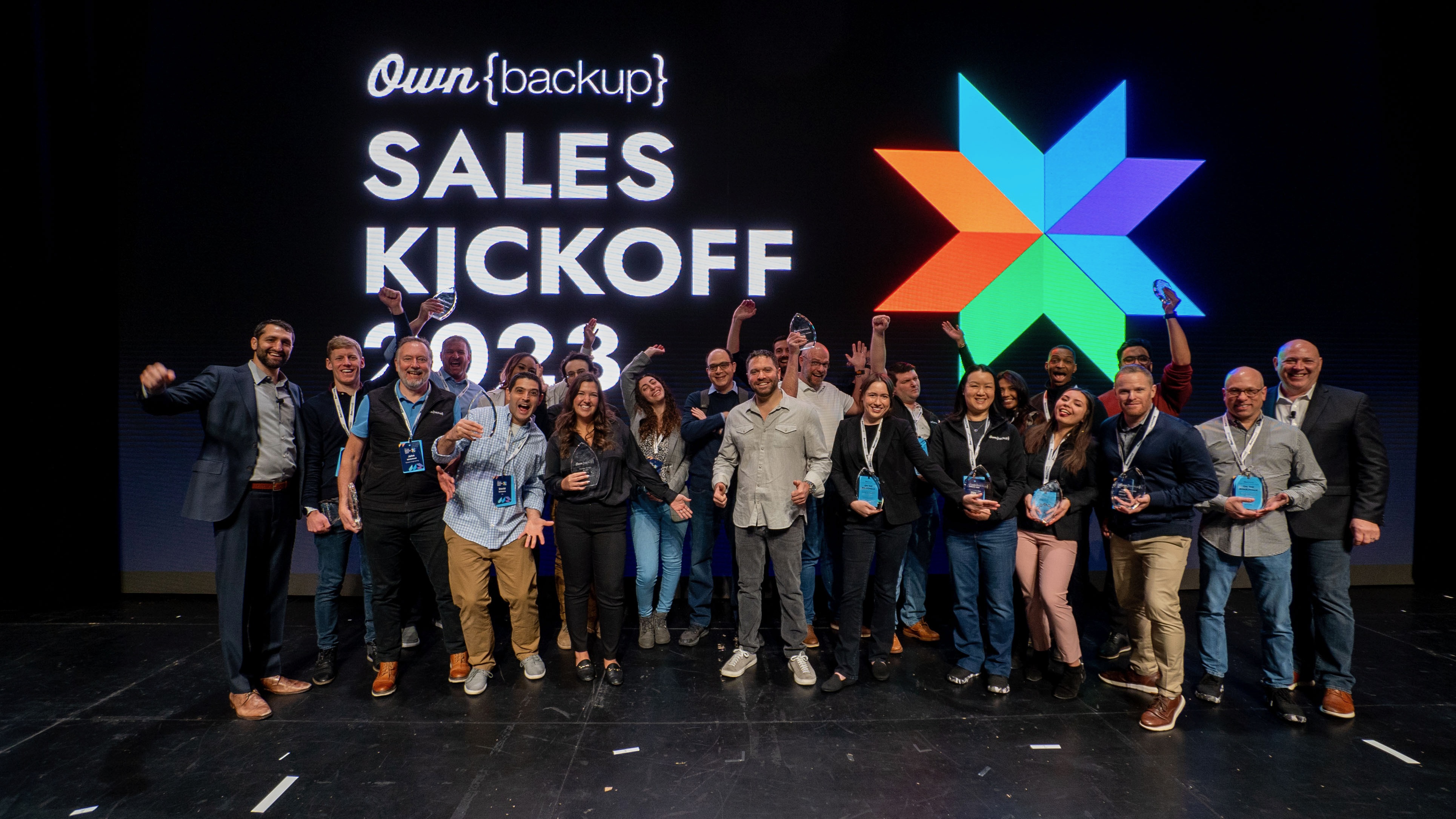
Employee interviews from 2023 describe internal promotions, certifications and a shift toward sustainable growth as customer budgets tightened. Salespeople increasingly helped buyers build an internal business case. That is revealing: even a product associated with peace of mind needs to explain its place on an expense sheet.
Try the restore before the disaster
The business runs on software subscriptions. For a buyer, the meaningful cost is the agreed product scope plus the work of operating it. Salesforce currently lists Data Mask & Seed at 10% of applicable net spend. That figure prices a particular offering; a recovery purchase needs its own quote.
The practical move is to rehearse. In a sandbox, change a field, delete a related record and restore both. Check permissions, preserved relationships and elapsed time. Salesforce’s support guidance documents API limits and field-access issues. A daily backup also leaves an interval between snapshots; continuous protection is an additional capability for rapidly changing data.
Own’s approach therefore depends on coverage, access and a usable recovery point. It cannot supply yesterday’s missing records if they were never captured. What readers can copy is the habit behind the company: identify the failure a platform purchase leaves with the customer, then make the repair specific enough to test.