The neatest route through a city can be a terrible way to run a company. It may send a refrigeration-free van to a frozen-food stop. It may put a technician at an appliance without the right training. It may squeeze every spare minute from one driver while another has a comfortable afternoon. A map sees dots and roads. A dispatcher sees promises, people and the peculiar habit of Tuesday to go wrong by 10 a.m.
- OptimoRoute plans deliveries and service visits across multiple drivers or technicians.
- Its planner accounts for windows, capacity, skills, breaks and workload.
- A mobile app carries routes, updates and proof of delivery into the field.
- Published annual plans begin at $35.10 per planned driver each month.
- Customers include small crews and large operations such as Southern Star’s pipeline maintenance team.
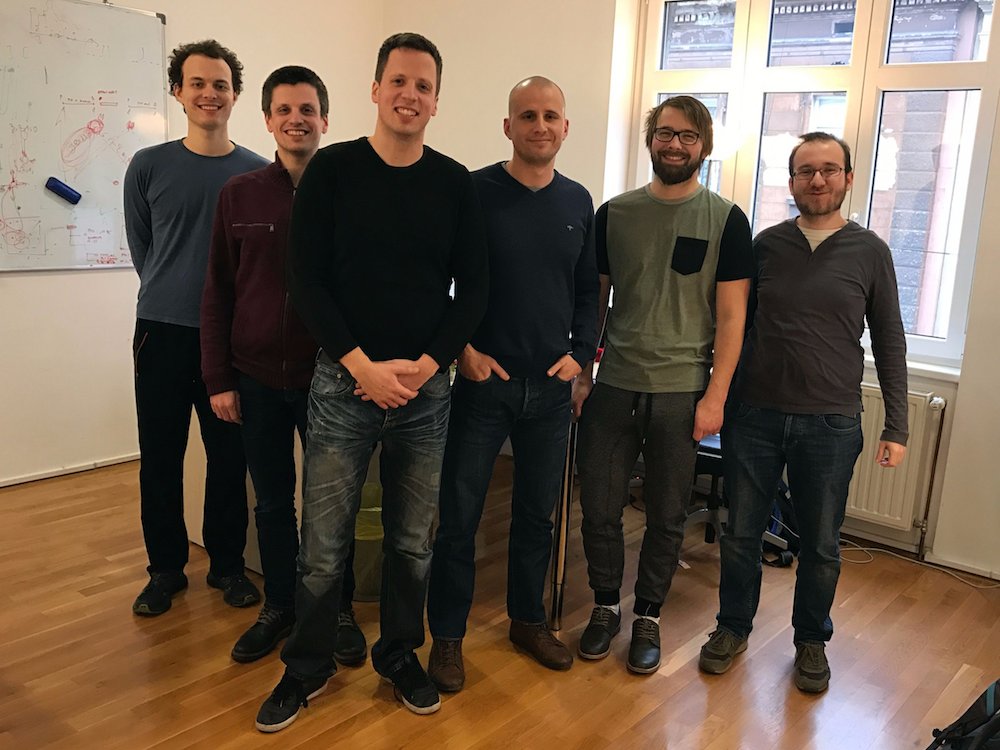
That is the opening OptimoRoute found. Founded in 2012 by Marin Šarić, Frane Šarić and Gorin Kukolj, the company emerged from an engineering team working in Zagreb and now lists Palo Alto as its headquarters. It sells a web planner and driver app to businesses whose work moves: delivery fleets, installers, repair teams, food distributors, pest control operators and other service crews. The business says it serves companies across the globe; its customer stories range from a painting contractor to a gas pipeline operator.
The map is only the beginning
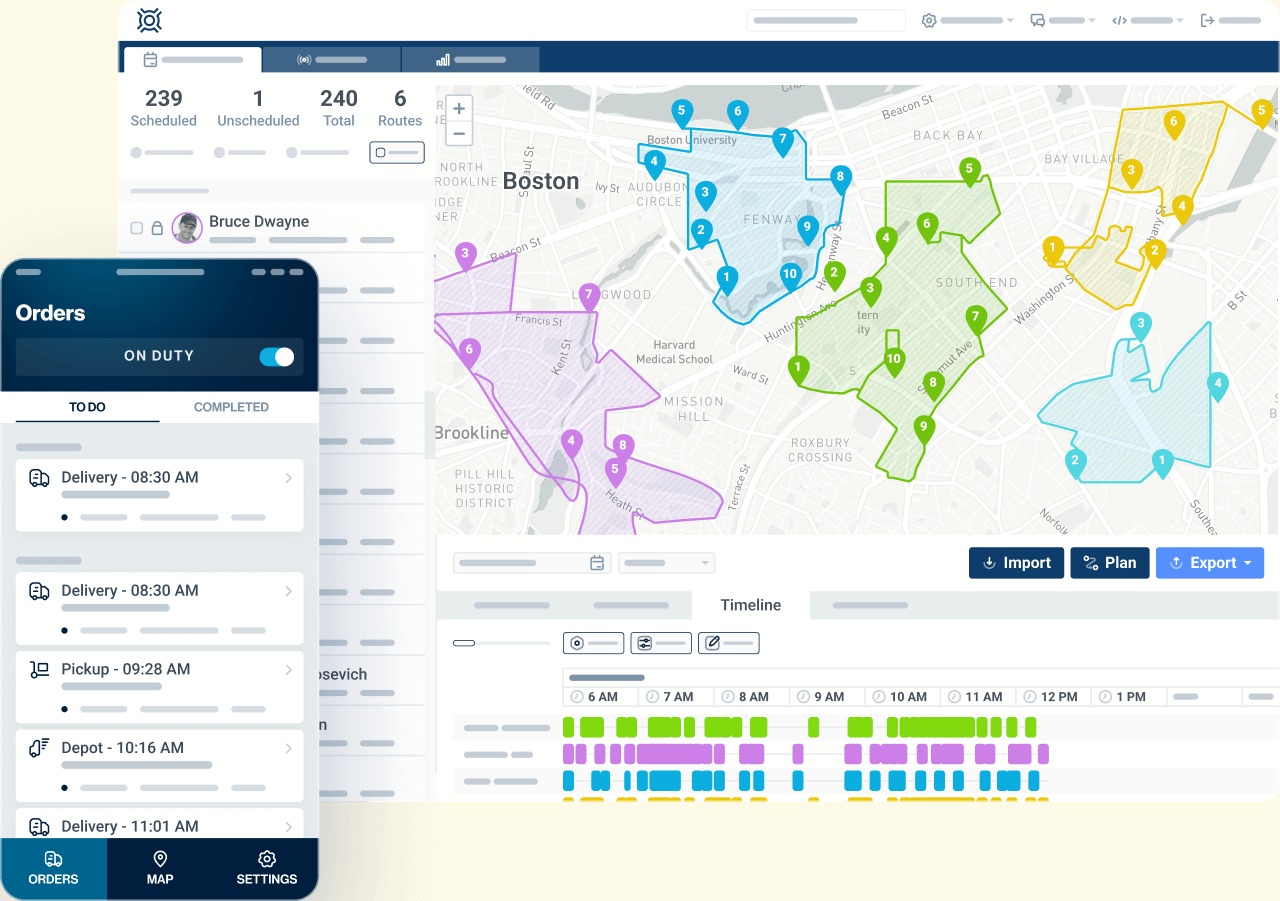
The classic route puzzle asks for the shortest tour through a set of stops. A working schedule asks something much less elegant. Which worker is qualified? Which vehicle has room? When is the customer available? How long does the job actually take? Who needs a break, and who has already had every difficult call this week? OptimoRoute lets planners enter those constraints, import orders and generate assignments and arrival times. They can then adjust the plan and send it to drivers or technicians through the app.
The product is broad by design. Its web planner handles recurring and multiweek plans, live tracking, customer notifications, proof of delivery, barcode scanning and analytics. A custom tier includes commercial routing, pickup and delivery, multi day long haul routes and dynamic depot choices. The driver app shows the assigned work, takes updates from dispatch and records completed stops. Customers can receive a tracking link and an estimated arrival time. The point is less glamorous than autonomous logistics: fewer phone calls asking where the van is.
“We at OptimoRoute really worry about the real-world constraints of what it means to build an effective schedule.”Marin Šarić, co-founder and CEO, in a 2020 interview
What broke before the switch
Clarke Customer Care, an appliance service business in New England, offers a good example. Its dispatcher, Pam Smedberg, had tried another routing system. Once it made a schedule, a last minute change meant calls to technicians in the field. There was no mobile app to carry the revision. That is a revealing failure: a route that cannot change is barely a plan at all.
Clarke moved to OptimoRoute and began sending revised work directly to phones. Its case study says the team could replan in minutes, complete about 10 to 15 percent more orders per day and save hours previously spent calling customers with arrival windows. The software also matched specialist technicians to jobs and considered what their vehicles could carry. In appliance repair, arriving with the wrong person or without the part is a more expensive mistake than taking a slightly longer road.
Southern Star’s problem was larger and stranger. The natural gas transporter maintains almost 6,000 miles of pipeline. Its maintenance jobs are often described by coordinates rather than ordinary street addresses, and a qualified operator must handle each task. The company’s published case study says OptimoRoute integrated those locations and qualifications into its planning, with a nationwide rollout in three months. Southern Star reported that technicians who had averaged three activities a day could be scheduled for five or six. These are customer reported outcomes, not a guarantee that every fleet will double its capacity.
The most interesting knob is fairness
A purely efficient route can make one employee’s day punishing. Šarić described an early OptimoRoute balancing control that let customers decide how much they valued workload fairness. It is a small product detail with a large management question inside it. Would you accept a few more miles to spread the work more evenly? The right answer depends on wages, morale, service promises and how long you expect people to stay.
That choice explains the company’s position in a crowded software market. Google Maps can help one driver navigate. A spreadsheet can list stops. Dedicated route tools such as Routific, Route4Me and Onfleet also plan and manage deliveries. OptimoRoute’s pitch is the depth of its scheduling rules across delivery and field service: driver skills, vehicle features, time windows, breaks, workload balance and changes after dispatch. Buyers still need to test those rules against their actual operation. Every extra constraint can shrink the set of possible routes and increase distance or leave jobs unassigned.
How to try it without betting the fleet
OptimoRoute sells subscriptions by the number of drivers or technicians being planned. Its published annually billed prices are $35.10 per driver per month for Lite and $44.10 for Pro, with Custom pricing on request. Lite and Pro differ in order limits and features: Pro adds weekly planning, customer tracking, proof of delivery and analytics. A 30 day trial gives access to Pro features with a 250 order limit. Monthly plans are available, and the company says they carry no setup fee or long contract.
For a buyer, the clearest experiment is small and unromantic. Take a representative week of real orders, enter the actual service times, capacity, qualifications and customer windows, then compare the proposed schedule with the old one. Count planning hours and missed windows as carefully as miles. Try a cancellation at noon. Ask a driver whether the plan still looks sensible by dinner. An algorithm that wins a spreadsheet contest but loses the driver is not much of a bargain.
There is a condition under which this will disappoint: bad operational data. A wrong service duration, an ignored weight limit or a missing technician qualification gives the software a false world to optimize. OptimoRoute’s own help material is candid that more constraints can make routes less efficient. The practical advantage comes from describing the business accurately enough that the plan is usable, then letting people revise it when reality objects.
The company raised a $6.5 million Series A led by Prelude Ventures in 2020, after an earlier seed round. Its product has since stretched into truck restrictions and long haul planning, while its basic proposition remains stubbornly local: someone must get to the next stop, with the right tools, near the promised time. The shortest path is a mathematical answer. A good schedule is a business answer.