A SIM card has excellent credentials. It can introduce itself to a cellular network, establish its right to connect and get on with business. But ask a different question - what machine is actually using that connection? - and the introduction becomes less satisfactory. Behind a cellular router might sit a meter, a controller or several pieces of industrial equipment. The network can recognize the subscription while the people responsible for the machinery remain poorly informed.
- OneLayer identifies the devices behind cellular connections, including equipment behind routers.
- Bridge brings that context into existing inventory, onboarding and security workflows.
- Utility customers make the stakes concrete: thousands of devices today, larger fleets planned.
That is the opening OneLayer spotted. Its software connects the cellular network’s account of a connection with the enterprise’s account of an asset. The distinction sounds like administrative housekeeping. In a factory or an electricity grid, housekeeping determines whether an unfamiliar device gets access, whether a legitimate one waits for activation, and whether anyone can explain what went wrong.
01 Two worlds, one inventory
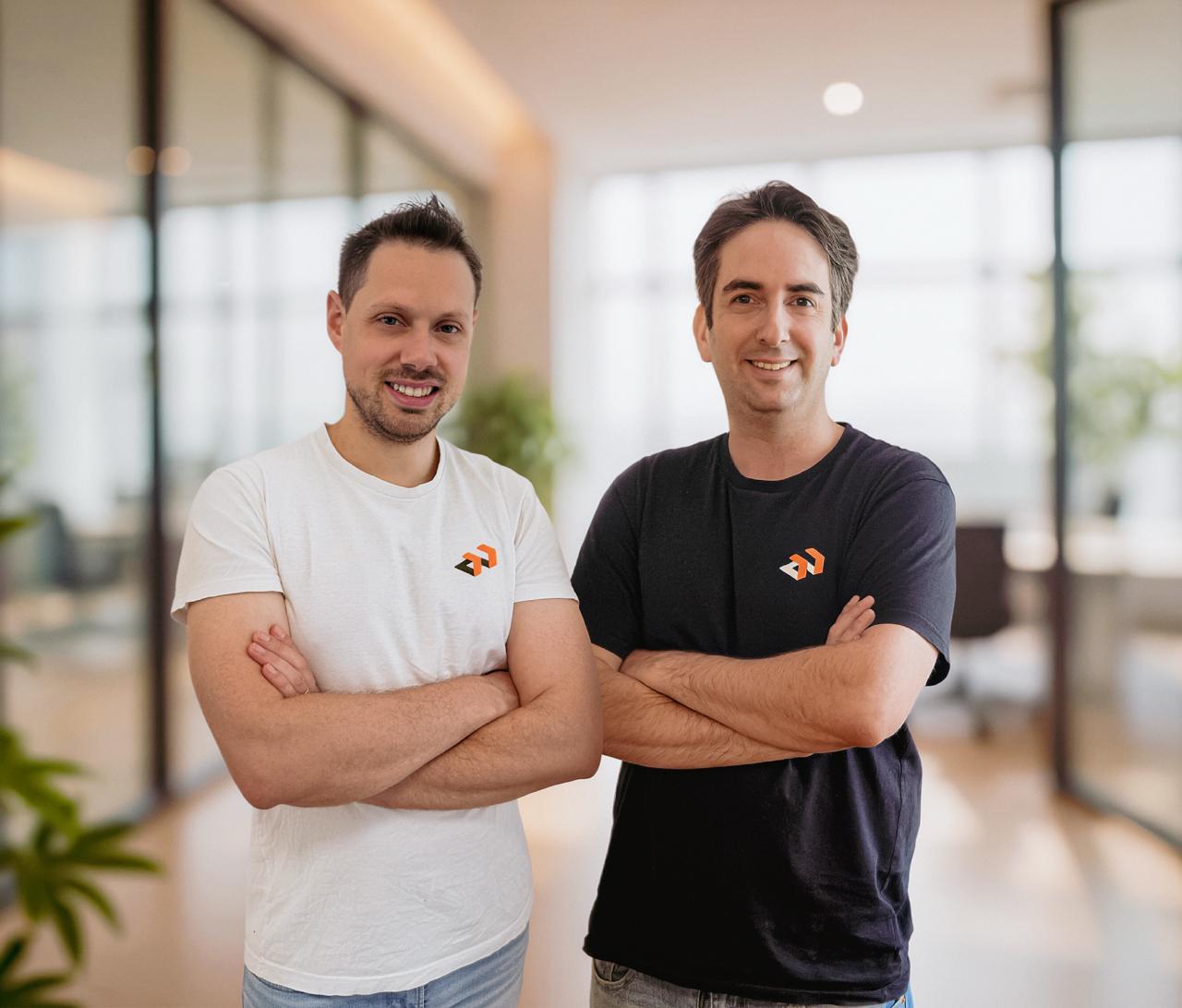
Founded in 2021 by Dave Mor and Or Turgeman, OneLayer combines cellular engineering with cybersecurity. Their company biographies describe 15 years and eight years, respectively, in Israeli intelligence special operations. Mor also spent two years in smart manufacturing. That background crosses the same boundary the product addresses: communications specialists and enterprise operators often describe the same equipment in different languages.
Traditional IT systems work with identifiers such as IP and MAC addresses. Cellular systems use subscriber and equipment identifiers, including IMSI and IMEI. OneLayer Bridge correlates those worlds, fingerprints devices and feeds the resulting context into tools the organization already uses. Its OneID is designed to retain an asset’s history through SIM swaps, firmware changes and network migrations. A change of credentials need not erase the biography.
The product’s scope has widened. In 2023, OneLayer announced an expansion from security into operations and asset management. The same device context that helps identify an unauthorized connection can help an operations team maintain inventory or investigate a connectivity problem. This is a practical reason to sell beyond the security department: more than one team needs to know what the machine is doing.
Knowing a connection exists is the beginning. Knowing what should use it is the useful part.
02 The grid makes the argument
Evergy offers a useful test of the idea. In September 2024, the electricity provider serving 1.7 million customers in Kansas and Missouri selected Bridge in a multi-year deal. Its Ericsson-based private LTE network already supported thousands of devices, with tens of thousands planned. The company needed automation and delegation of onboarding alongside visibility. A pilot can tolerate personal attention. A growing field fleet makes that attention expensive.
Southern Linc presents the geographical version of the problem. Its CriticalLinc LTE network covers 122,000 square miles across Alabama, Georgia and southeastern Mississippi. The March 2025 announcement described devices ranging from grid controls and sensors to smartphones and push-to-talk services. Bridge’s job includes correlating identities across networks and exposing equipment behind routers. Those are different assets with different reasons to communicate; one indiscriminate permission slip would be poor management.
The market also extends beyond networks an enterprise owns outright. In March 2026, OneLayer announced WEC Energy Group’s use of Bridge for field devices operating across multiple carriers. Private access point names, or APNs, provide a cellular arrangement for enterprise traffic. OneLayer adds consolidated device visibility and lifecycle management, including assets obscured behind routers. The carrier relationship remains; the enterprise gets a clearer operational picture.
Then came Tampa Electric. Its August 2026 announcement brought together Ericsson, OneLayer and engineering firm Burns & McDonnell. The deployment covers SIM lifecycle management, automated provisioning, device visibility, segmentation and geofencing. Several thousand devices were targeted for the initial phase, with tens of thousands planned over five years. Those figures describe ambition, not a completed fleet. The revealing decision is to install the management workflow while the network is still growing.
03 The useful part is the handoff
Consider onboarding. The Ericsson collaboration announced in March 2025 automates SIM provisioning, activation and device fingerprinting, then checks whether the device is authorized to connect. Operations teams can handle routine work without sending every request to a cellular specialist. Security gets identity information before granting production access. The dullest step in a demonstration may be the most valuable step in daily use.
OneLayer’s differentiation rests on these handoffs. It integrates with cellular infrastructure, routers, inventory systems and security products. Nokia, Ericsson, Check Point, Fortinet and Claroty appear in its certified Technology Alliance Program. Celona became a partner in April 2026, combining its private wireless controls with OneLayer’s device intelligence. These relationships complicate a neat competitors chart: adjacent vendors can supply alternatives for parts of the job while also helping deliver the combined system.
“Our product foundation relies on technical partnerships and not a standalone product.”
Dave Mor / Technology Alliance Program announcement, May 2026

04 The price of knowing
OneLayer sells software subscriptions, with SaaS and on-premises products described in its license agreement. Its commercial case includes time saved provisioning devices, maintaining records and investigating incidents. A 2023 company brief advertises more than 300% ROI. Treat that as a vendor claim: a buyer’s economics depend on the existing workflow, integration effort and avoided labor. It is no substitute for measuring your own baseline.
Investors have financed the proposition. OneLayer announced $8.2 million in seed funding in March 2022, a $6.5 million Koch investment that September, and a $28 million Series A led by Maor Investments in October 2025. The Koch announcement paired capital with a manufacturing-site deployment. In June 2026, OneLayer reported doubling its customer base and tripling annual recurring revenue over the previous year, without disclosing absolute totals.
The lesson an operator can copy is simple: inventory the actual equipment before scaling the connection count. Compare carrier and core records with assets behind routers; decide who can activate devices; test whether policy follows device identity when credentials change. OneLayer fits organizations with cellular fleets and enterprise systems to connect. It cannot supply radio coverage, repair faulty machinery or choose sensible access policies for you. Those responsibilities still need owners. The software makes them harder to overlook.