In 2023, a Toronto development company called 99 Pixels hired NetScape Labs to build a website and a matching mobile application. The interesting detail is the buyer: another software business. A delivery team in Mohali was therefore doing work on which someone else's customer relationship depended. That is the stake in outsourcing.
- Custom web, mobile and AI work for businesses and fellow agencies.
- Advertised project entry points: $3,000, $8,000 and $15,000.
- The buyer’s job: define the scope, approve decisions and plan the handover.
NetScape Labs Infotech Pvt LTD occupies this middle ground: taking a business requirement and turning it into software that another organisation can use, sell, or operate. Founded in 2018, it offers custom development to startups, smaller businesses and larger organisations. The business is a technology agency, with paid projects and ongoing support. Customers buy engineering capacity and coordination, rather than seats in one NetScape-branded application.
An agency with several front doors
The company introduces itself through a wide menu: mobile apps, websites, AI, design, cloud infrastructure and digital marketing. The menu offers sushi beside spaghetti. Here, the useful question is whether the disciplines belong to the same job. A mobile product needs a backend. That backend needs deployment. An interface needs testing with people. A finished product needs customers.
Its advertised expertise includes native and cross-platform mobile development, web frameworks and server-side programming. The Goodfirms listing also describes e-commerce work across platforms including Shopify and WooCommerce, alongside testing and maintenance. That gives buyers several ways to engage: build a new product, improve an existing one, or bring together parts that otherwise require several suppliers.
The market position is broad and practical. Alternatives include hiring an internal team, assembling freelancers, choosing a specialist studio, or buying existing software. NetScape Labs' pitch combines those adjacent services under one supplier. Breadth alone cannot distinguish an agency; the useful distinction appears when a customer needs both a working app and someone responsible for the connections around it.
The football pitch meets the phone screen
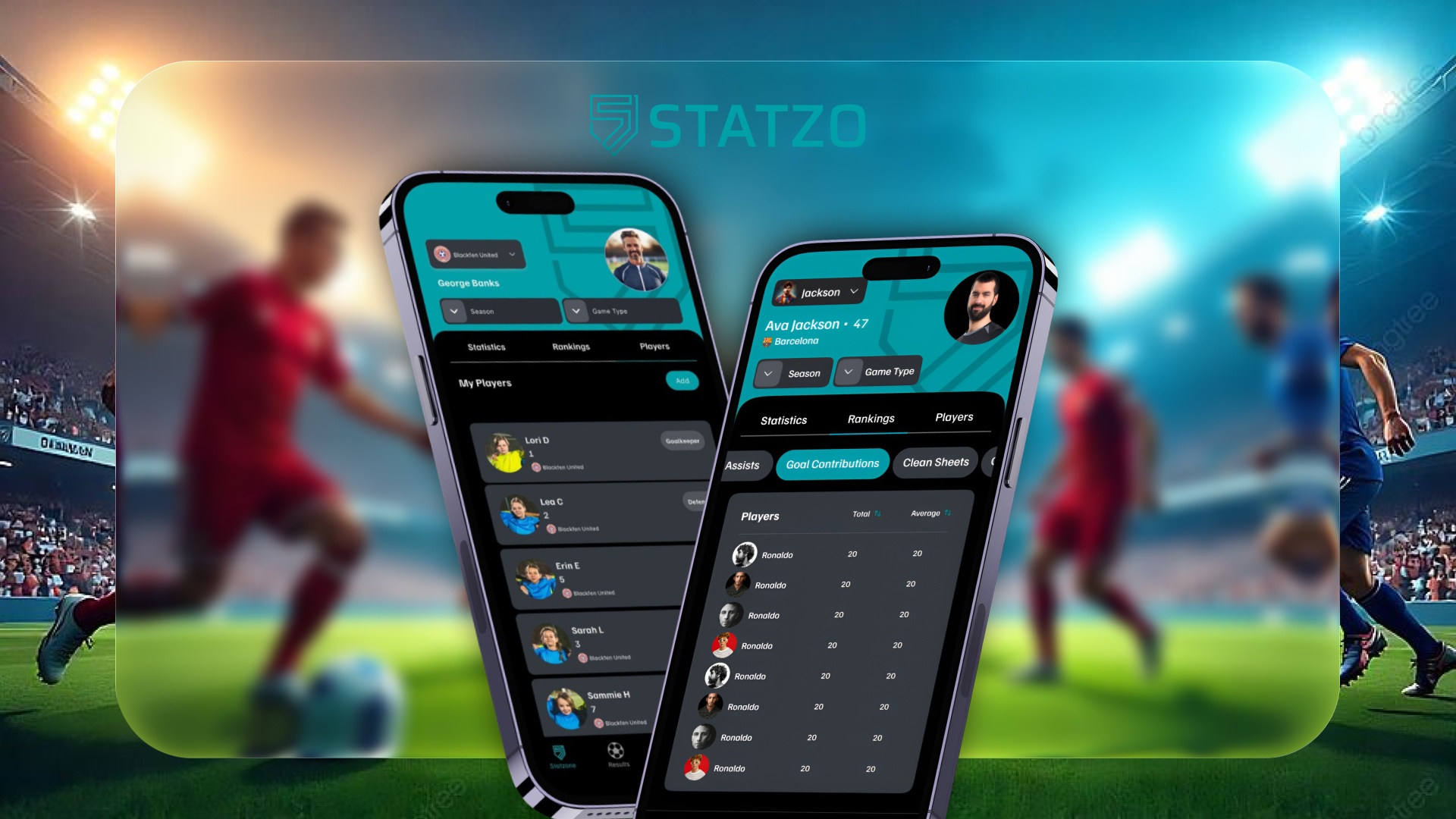
The portfolio makes that proposition less abstract. Statzo is presented as a grassroots football analytics product for players, parents and managers. The company's account describes real-time performance tracking and a Flutter, Node.js and AWS implementation. A football statistic has to travel from an event to a record to a screen someone can understand. That sequence offers a better picture of the work than a list of programming languages.
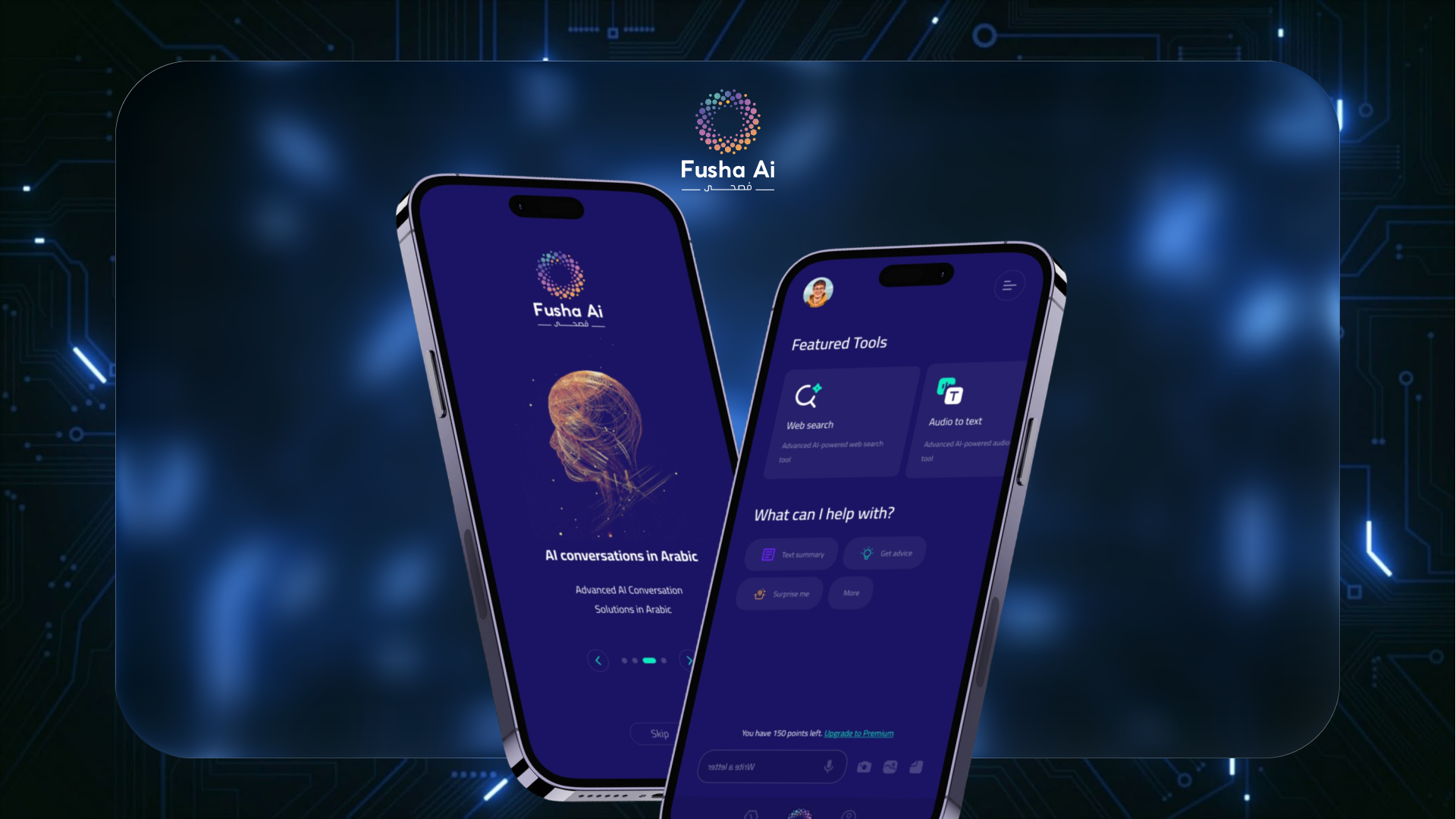
Another portfolio example, Fusha Ai, is an Arabic assistant application combining chat, web search, audio-to-text tools and subscriptions. It illustrates the agency's newer AI proposition: placing model capabilities inside a usable mobile experience. The interface, account logic and commercial mechanics matter alongside the conversation. These are company-presented projects; their promotional performance figures should be read as company claims.
The contrast is instructive. Football analytics organises observations about people playing a game. An assistant organises access to information and tools. The common skill is translating a messy activity into interactions a user can repeat. A buyer can borrow that approach: describe the moment somebody needs help before choosing the technology that will provide it.
The price tag is only the opening sentence
The services page publishes three starting points: $3,000 for Starter / MVP, $8,000 for Growth Product and $15,000 for Enterprise Platform. These are advertised entry prices, with a custom quotation following discovery. They describe progressively broader work, from a simple application to a multi-platform build. They should not be treated as the final cost of any particular idea.
The 99 Pixels engagement offers a different kind of number: a reported project band of $10,000 to $49,999 for work running from February to October 2023. A historical client budget and today's advertised starting price answer different questions. One tells you where an actual assignment landed; the other tells you where a sales conversation begins.
There are two budgets in a software purchase. One buys the build. The other pays for decisions: reviewing designs, resolving competing requirements and accepting completed work. This is an editorial reading of the agency model, but it has a practical consequence. Before commissioning a product, write down the first user journey, the acceptance criteria and who can approve changes. An inexpensive quote becomes more useful when the scope is legible.
Responsiveness is a product feature, too
99 Pixels found the company through Upwork and selected it for ratings, price and its understanding of technical constraints. Weekly deliverables gave the engagement a rhythm. Director Miso Gee's assessment was concise: “They were very responsive and dealt with any issues that came up very quickly.” The praise concerns what happened when the work required attention.
The company's contact process now sets out a review, a discovery call and a proposal covering scope, schedule, pricing and the recommended stack. It advertises daily asynchronous updates and weekly video calls for international clients. The copyable habit is the cadence: make the next decision visible, give it an owner and keep a short route from question to answer.
The declared culture follows that logic. Its own values emphasise outcomes, ownership, speed and maintainable engineering. Those are promises a customer can turn into questions. Who reviews the code? What counts as accepted? Who maintains the system after launch? Useful culture leaves traces in a handover document, not merely on an office wall.
The purchase is partly code, partly the ability to keep a promise to somebody else.The handoff principle / editorial observation
A wider brief, with a boundary
The company's account of its development places an AI practice in 2022 and a startup accelerator framework in 2023. By 2025, it says it had served more than 200 clients across over 50 countries. Its 2026 blog covers chatbots, multiplayer games, user experience and building applications without coding skills. The expanding brief suggests an agency selling help across more of a product's life.
That breadth suits a buyer who can define a problem but needs people to implement the answer. It becomes less persuasive when the requirement demands a narrowly specialised discipline without room for discovery, or when nobody on the customer side can make product decisions. These are limits of the model, not reported project failures. A team can deliver software; it cannot make an absent customer choose.
For a prospective client, the sensible first move is a bounded assignment with a demonstrable outcome. Ask to see relevant work, agree how changes are priced and specify the handover. NetScape Labs' most interesting lesson comes from that Toronto customer: even a business that knows development may need help delivering it. The purchase is partly code, partly the ability to keep a promise to somebody else.