PRENAV: WORLD'S MOST PRECISE COMMERCIAL DRONE SYSTEM FOUNDED IN A CAFE OVER A COFFEE-DELIVERY DAYDREAM FLIES WITHIN CENTIMETERS OF A WIND TURBINE ~$16.25M RAISED · SEED LED BY CROSSLINK CAPITAL STANFORD COMPUTER MUSIC TO MACHINE VISION PRENAV: WORLD'S MOST PRECISE COMMERCIAL DRONE SYSTEM FOUNDED IN A CAFE OVER A COFFEE-DELIVERY DAYDREAM FLIES WITHIN CENTIMETERS OF A WIND TURBINE ~$16.25M RAISED · SEED LED BY CROSSLINK CAPITAL STANFORD COMPUTER MUSIC TO MACHINE VISION
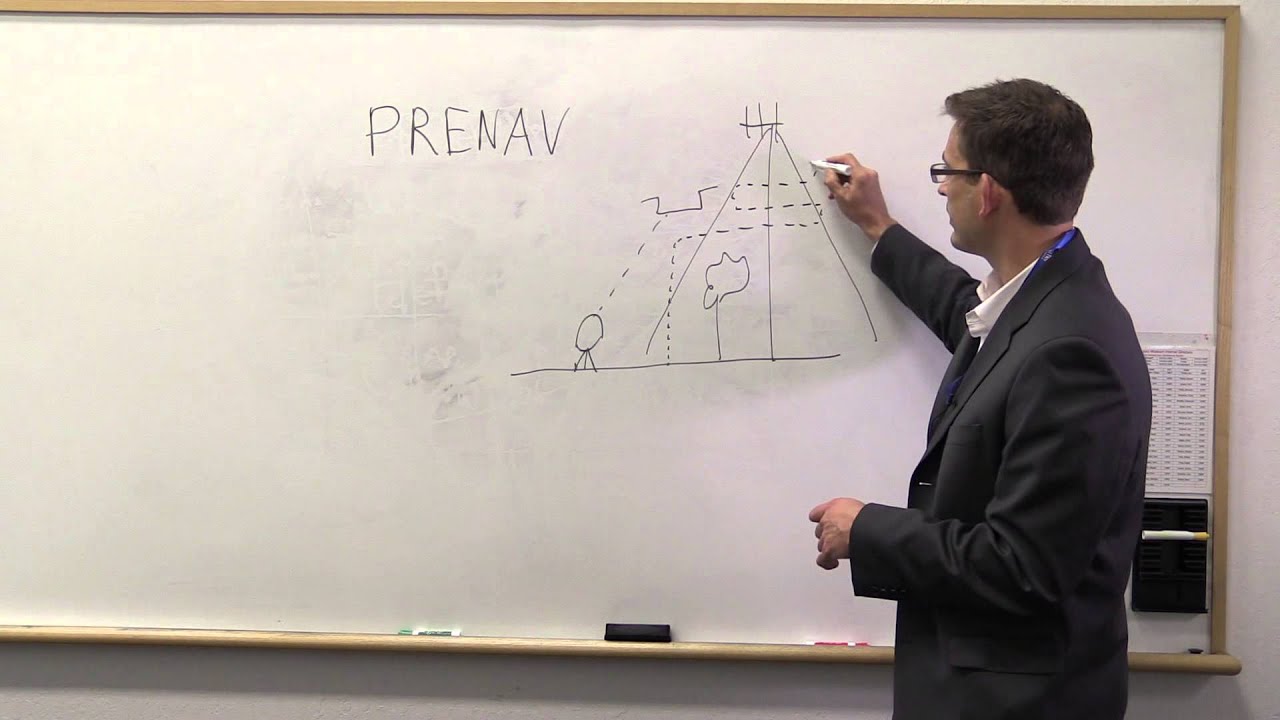
Nathan Schuett sketching the PreNav concept on a whiteboard
Whiteboard, marker, one stick-figure tower. The entire company fit on a wall before it fit on a drone.
Profile · Founder & CEO, PreNav

Nathan
Schuett

He wanted a drone to carry his coffee. He built one that reads the bolts on a cell tower instead.

Founder Computer Vision Robotics Stanford '02

A robot that flies where the satellites can't help

Climb a 200-foot cell tower with a clipboard, or send a drone that can't see it coming. For years those were the only two ways to inspect the tall, ugly, essential things that hold up modern life - towers, turbines, smokestacks, bridges. Nathan Schuett picked a third option that didn't exist yet.

PreNav, the company he founded and runs out of Redwood City, builds drones guided by computer vision rather than GPS. That distinction sounds academic until you remember that GPS gets confused near big metal structures and useless indoors - which is exactly where the interesting inspection work lives. So PreNav put the brains on the ground: a laser-scanning system that sits on a tripod, tracks the drone in real time, and flies it within centimeters of a structure without an expert pilot at the sticks.

The output isn't a shaky video. It's a photorealistic 3D model - a digital twin - that machine-learning models then comb for corrosion, cracks, spalling concrete and exposed rebar. The pitch is refreshingly humble for a robotics company: not "replace the inspectors," but "hand the inspectors a better tool."

More recently Schuett has begun listing a second venture, Forming AI, alongside PreNav - the next move in a long-running obsession with turning the physical world into data you can actually query.

The shape of the bet

2013
PreNav founded
~$16M
Total raised
cm
Flight precision near structures
3
Co-founders over one coffee

It started with a cup of coffee

Sit in a San Francisco coffee shop long enough and you'll have an idea you can't shake. For Schuett and co-founders Asa Hammond and Naim Busek, the idea was whether a drone could carry a coffee from the counter to their table on its own. Trivial-sounding. Then they hit the wall every roboticist eventually hits: GPS doesn't work indoors, and without it the drone is blind to where it is.

That wall became the whole company. If you could solve precise navigation in tight, signal-dead spaces, the coffee was beside the point - you could fly safely around the things people are paid to inspect by hand.

Schuett's route there was anything but standard. He studied computer music at Stanford's CCRMA, spent years in product and marketing at video-game makers EA and Lolapps, then ran robotics projects at The Society for Creative Research, including work for Google. Music, games, robots - a strange resume that adds up to someone comfortable making machines do expressive, precise things.

The more we thought about it, the more we realized there are tons of applications for drones near ground, people, and buildings that aren't currently possible... yet.
Nathan Schuett · on the coffee-shop origin

The secret isn't on the drone

Ground brains, air eyes

STEP 01

Scan from the ground

A laser-scanning station on a tripod tracks the drone's exact position in real time - no GPS required.

STEP 02

Fly the structure

The drone moves within centimeters of towers, turbines and bridges, capturing high-resolution imagery of nuts, bolts and labels.

STEP 03

Model and analyze

Software stitches a photorealistic 3D digital twin; deep-learning models flag corrosion, cracks and defects.

GPS isn't accurate enough to control the drone, so what we've built is our own navigation system - a laser scanning system on the ground that's tracking the drone.
Nathan Schuett · on flying near towers and turbines

Money in, milestone by milestone

PreNav climbed the funding ladder the patient way - friends and family, then a seed round led by Crosslink Capital, then a follow-on tranche. Bars show approximate disclosed amounts.

pre-seed
2014
$6.5M
2016
$1.5M
2020
~$16.25M
total

From the studio to the sky

1998-02
Studies computer music at Stanford's CCRMA - the unlikely launchpad for a robotics career.
2000s
Works product and marketing in the video-game industry at EA and Lolapps.
early '10s
Runs robotics projects at The Society for Creative Research, including work for Google.
Oct 2013
Co-founds PreNav with Asa Hammond and Naim Busek to solve autonomous flight in complex spaces.
2014
Raises a pre-seed round from friends, family, angels and Drone.VC via AngelList.
2015
Releases video of what PreNav calls the world's most precise commercial drone system.
2016
Closes a $6.5M seed round led by Crosslink Capital.
2020
Adds a $1.5M tranche; total funding reaches roughly $16.25M.
2020s
Begins listing Forming AI alongside PreNav as founder and CEO.

See it fly

Plainspoken about hard things

"We're making the technology accessible to people who are already doing this work today."

"Our customers need high quality imagery and 3D reconstructions to make decisions about the assets they're managing."

"We fly the drone all around the tower... to capture imagery of the antennas, nuts, bolts, labels on the back of antennas - all the components needed for an audit."

"The current generation of drones struggle when they need to fly close to structures due to limitations of GPS and collision avoidance sensors."

Things that don't fit the pitch deck

The product vision was literally autonomous coffee delivery before it pivoted to industrial inspection.

🎵

His Stanford degree is in computer music, not aerospace or CS - he came to robots through sound.

🎮

Before drones, he shipped product and marketing in the video-game business at EA and Lolapps.

📡

PreNav's edge isn't on the aircraft - it's a laser scanner on the ground doing the hard tracking.

The links