The VC Who Hired Recruiters Before Analysts
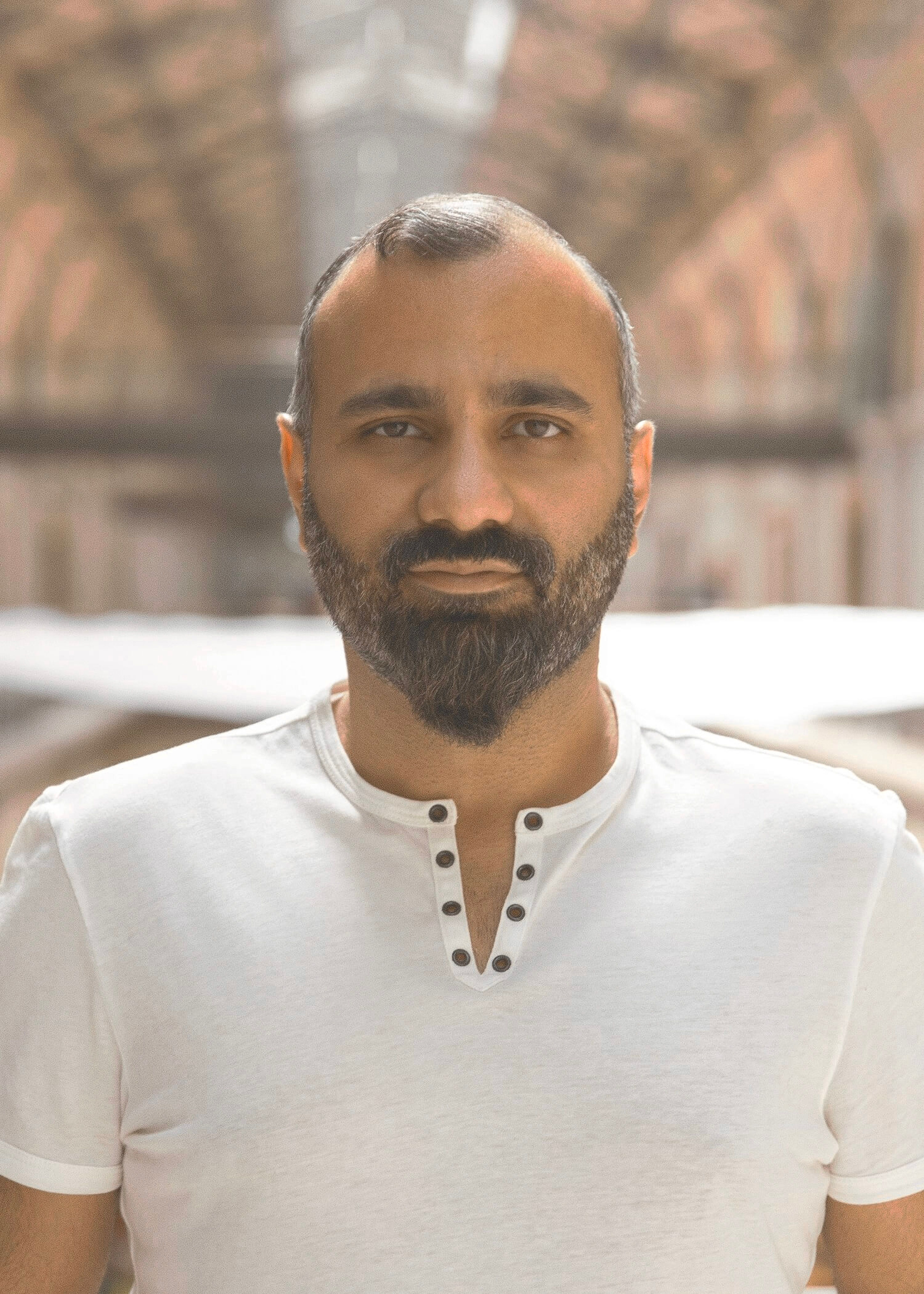
In September 2009, a 28-year-old from India stepped off a plane in America for the first time. Not a tourist. Not a student. A VP hire at Battery Ventures, clutching an H-1B visa and whatever optimism survived a 20-hour flight. He had never set foot on US soil before that morning. Fifteen years later, Nakul Mandan runs a $250 million venture firm and moonlights as one of the most lucid thinkers in seed-stage investing. The detail that matters most: he almost didn't make it.
Mandan launched Audacious Ventures in April 2020. If you need reminding, that was the month COVID-19 closed restaurants, hospitals, and the normal rhythms of fundraising. He had just left Lightspeed Venture Partners, where he'd spent six years backing SaaS companies before transitioning to venture partner. The timing read as miscalculated. "I thought that I'd screwed up my entire career based on one bad timing decision," he later said. Fund 1 took a full year to close. The conviction required to keep dialing LPs during a global lockdown, on an H-1B visa, without a green card as a safety net - that is a particular kind of stubbornness.
He got the green card. Kept going. In April 2024, Fund 2 closed at $150 million in three months. The year-long slog of Fund 1 had become the three-month sprint of Fund 2 - same person, different reputation, same thesis. Nakul and his wife became US citizens around 2024, which he marked with a blog post called "An Immigrant Living the American Dream." It reads less like celebration and more like a field report from someone who survived the terrain.
Audacious sits at $250 million across two funds. The firm targets pre-seed and seed, writing checks at roughly 10.5% ownership per deal. The portfolio includes WorkOS, Tome, FalconX, Vartana, and Tezi - the last of which describes itself as "the world's first autonomous recruiter," a category that should raise eyebrows given what makes Audacious structurally unusual.
The unusual part: Audacious embedded a full recruiting operation inside the fund. Not a referral network. Not warm intros on request. Technical recruiters, employed by the firm, cold-reaching 150 engineers per week on behalf of portfolio companies. By early 2025, they had placed 72 to 75 candidates across 24 companies. The decision to build this capability tracks with Mandan's view that the typical VC board seat creates less value than it claims. "VC is more about the ground game than the air game," he said on the Superclusters podcast. The recruiting arm is the ground game made literal.
The career arc before Audacious is textbook-meets-maverick. IIT Kanpur for engineering (1999-2003), IIM Lucknow for the MBA (2003-2005), Deutsche Bank briefly, then Blue River Capital in Mumbai, then Battery Ventures which posted him to the US to cover their India practice. When Battery wound down that practice, Mandan shifted to backing US companies - and backed Marketo before it went public, BlueJeans before Verizon bought it, Intacct before Sage did. Pattern recognition: find the category before it has a name.
In 2014, Bipul Sinha - later the CEO of Rubrik - introduced him to Lightspeed. Mandan joined as a partner running SaaS investments. He backed Gainsight when customer success was still a job title in search of a budget line. He backed People.ai and BuildingConnected and Multiverse, Euan Blair's alternative education company, where he now sits as an independent board member. In June 2025, Mandan shared a stage with Blair at SXSW London. The topic: AI ROI for business leaders. The man has range.
His framework for founder evaluation is tight enough to fit on a cocktail napkin but hard enough to apply that most VCs quietly miss it. Five traits: high IQ (the problem is too ambiguous to navigate otherwise), larger-than-life ambition (good is the enemy of great, and he means it), the ability to make people believe before the evidence exists, grit, and velocity. "A startup lacking velocity is simply not going to succeed," he wrote. "Velocity as a cultural trait starts with the founder, and it's either there or not." He is describing a checklist that sounds simple until you sit across from someone and try to grade it in real time.
What Mandan does not look for: pattern-matching to the obvious. He consistently invests in people over markets, in slope over position. His blog posts - punchy, under 700 words, posted without fanfare to nakulmandan.com - reflect the same discipline. Recent titles: "Unlearn Everything Now." "The Hardest Thing." "Don't Be A Dinosaur." These are not thought-leadership pieces dressed up for LinkedIn shares. They are memos from someone who has been in the room long enough to know what gets companies killed.
He tweets under @nakul - four letters, no surname. In the handle economy of Silicon Valley, where founders compete for every alpha signal, that brevity is its own kind of statement. He posts sparingly, thinks out loud about recruiting, and occasionally retweets Naval Ravikant. The account has made 3,200+ posts over the years. It does not announce portfolio companies with thread after breathless thread. The reticence is intentional.
The immigrant story runs through everything. He arrived without family connections in the Valley. He built relationships across four firms over fifteen years before raising his own fund. He watched the culture with the focused attention of someone who understood that belonging here was earned, not assumed. In his post about citizenship, he wrote: "You want something. Go get it - you can go harder and faster at your goals here than any other place." He also noted: "Nobody even cares" about past failures - people focus on "what you're doing now and what you'll do ahead." He was talking about Silicon Valley's relationship with failure. He was also describing his own trajectory from the slow Fund 1 close to the rapid Fund 2, from H-1B to citizen, from analyst to managing partner of $250 million.
The blog posts keep coming. The fund keeps deploying. The recruiters keep cold-reaching engineers. The thesis has not changed. Find the force-of-nature founders before the market agrees with you. Back them before the story becomes obvious. Get in at the slope, not the summit. That is Audacious Ventures. That is the logic Nakul Mandan has been running for seventeen years, with different business cards each decade.