Profound had a problem that would look peculiar on a sales dashboard. Contracts were being signed. Bookings were growing. Yet cash was arriving too slowly. Sales and operations staff were chasing invoices, while the accounting picture lived in scattered spreadsheets. Success had produced a second job: persuading the machinery of enterprise purchasing to acknowledge that the first job was finished.
- Monk connects invoices, collections and payment matching for B2B teams.
- Its specialty is the administrative obstacle: missing paperwork, portals and approval delays.
- Customers set the rules; uncertain or sensitive cases go to people.
Monk’s Profound case study describes an intervention over Christmas week. The team connected HubSpot and QuickBooks, established two-way data synchronization and automated invoice submissions to Coupa, Ariba and eleven bespoke Fortune 500 accounts-payable portals. Eleven bespoke portals: an excellent argument against the theory that sending an invoice finishes the transaction.
The published case study reports a 122% increase in cash on hand in the first month. That is a vendor-reported result for one customer, not a forecast for the next. The more instructive detail is the work underneath it. Getting paid required a chain of small obligations to be completed in the right places.
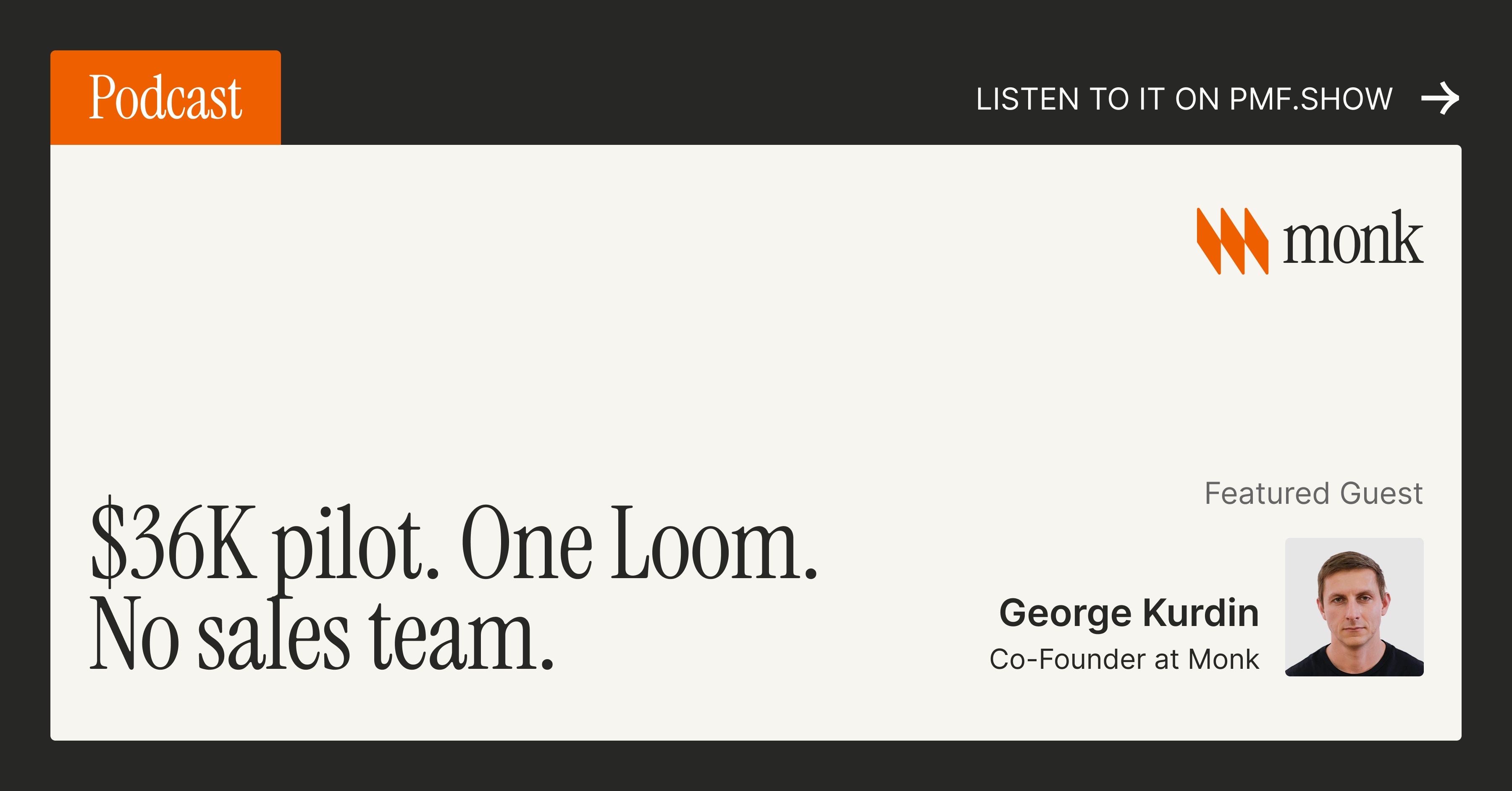
A $36,000 pilot, without the theatre
Monk’s co-founders, George Kurdin and Joe Zhou, arrived at receivables through investigation. Zhou describes roughly 300 conversations with CFOs, heads of finance and controllers over one or two months. The recurring complaint was that accounts receivable mattered enormously but was treated as rushed work, handed down the organization and seldom improved.
Kurdin’s route was less orderly. A previous startup had failed; he wound it down and returned the remaining capital to investors. In his account of that period, the question became where he still wanted to spend his energy. He kept returning to the mechanics of businesses getting paid.
The first Monk pilot cost $36,000. According to the company’s retelling of his PMF Fit Show interview, Kurdin sent a Loom product walkthrough when he could not make a call. The customer asked for the paperwork. Monk later reported reaching $1 million in annual recurring revenue in roughly six months, using cold outbound without a sales team. The lesson is appealingly unromantic: describe an expensive problem precisely.
Julia needs rules before she needs charm
The product handles the invoice-to-cash cycle: invoicing, follow-ups, incoming-payment matching and reporting. Its collections agent, Julia, works with the customer’s chosen tone, cadence and escalation policy. A reminder can be routine. A reply disputing the amount, requesting different bank details or expressing anger requires another kind of judgment.
Monk’s engineering explanation gives the model a limited set of actions: send, review, resolve or route. Verified ledger data and defined workflows surround the language model. Requests to change payment details are flagged for a person. This is a useful distinction for buyers: fluent writing is easy to admire; permission to act is what needs inspection.
“Smoothest vendor integration I've seen. VIP support.”Joseph Turtel, Head of Strategy & Operations, Profound
In September 2026, Monk added Knowledge, a way to supply organization-wide or customer-specific instructions, including guidance for disputes and claims that payment has already been made. Its changelog also records tighter guardrails and fixes involving paused accounts, message recipients and attachments. These are the details of a working product, where an apparently tiny defect can become someone’s awkward customer conversation.
- 01 Verify the invoice
- 02 Apply the playbook
- 03 Send, resolve or route
- 04 Escalate exceptions
The plumbing is part of the product
Monk’s integration directory includes QuickBooks, NetSuite, Salesforce, HubSpot, Stripe and additional accounting systems. The company describes two-way accounting sync, upfront data mapping, conflict rules and checks for drift. The purpose is practical: a collections agent should know that an invoice was paid before it writes to ask why it was not.
Its Stripe Marketplace app connects the billing data without requiring customers to replace how they take payments. Cash application then links incoming payments and remittance information to open invoices, while ambiguous items enter review. Reporting brings aging, days sales outstanding and cash projections into the same operational picture.
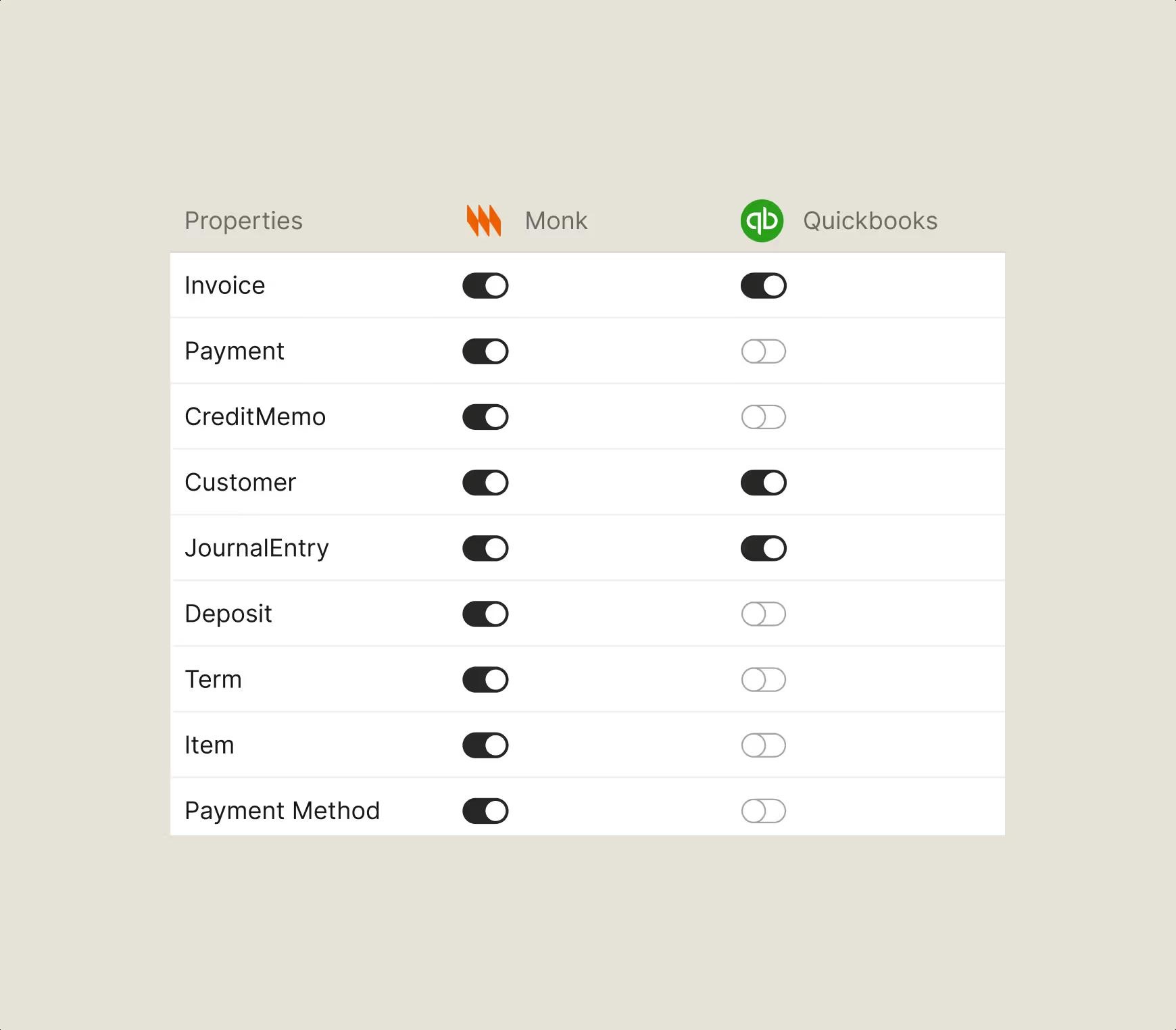
Siro illustrates a narrower entry point. It embedded Monk’s Intelligent Collections module into its existing invoice-to-cash infrastructure. Monk’s case study reports a 45% reduction in overdue receivables and more than ten hours a week saved on manual follow-ups. A team can start with collections rather than buy an organizational renovation.
A market crowded with reminders
Monk sits among accounts-receivable software providers including HighRadius, Billtrust, Esker and Tesorio, alongside broader billing platforms. Its stated distinction is contextual collections and the troublesome exceptions that survive a scheduled email. For a buyer, that positioning matters most when the obstacle is an incomplete process, rather than a forgotten reminder.
The business model is paid software with implementation and support. Pricing scales with business volume; Monk says it takes no percentage of collected revenue. The $36,000 first pilot is a historical transaction, not a standard tariff. The relevant cost comparison includes the staff time spent collecting, reconciling and maintaining another system.
In April 2026, Monk announced a $25 million Series A co-led by Footwork and Acrew Capital, with BTV returning after leading its $4 million seed. By August, it reported more than $2 billion in receivables managed. September brought an announced ISO 27001 certification and plans for an October finance summit. The company is selling operational trust alongside automation.
Copy the diagnosis before the software
There is a lesson here even for a team that never buys Monk. Separate invoices delayed by missing documents, unavailable approvers, disputed terms and simple neglect. Give each category an owner and a next action. Before a pilot, record overdue balances and follow-up time; afterward, compare the same measures.
Automation needs accurate records, permitted access and agreed escalation rules. It cannot make an insolvent customer solvent or settle a commercial disagreement merely by writing politely. Zhou says Monk considered broader customer communications and pulled back toward features that improve cash flow. That restraint is worth copying too. A new feature earns its place when it helps finish the transaction.