In Los Angeles, 3,200 people received guaranteed-income payments through debit cards managed by MoCaFi. The detail sounds administrative. It is the part of the story that determines whether an ambitious public policy becomes groceries. An agency can approve a payment; a resident still needs somewhere to receive it, a way to spend it, and a system that works when the balance matters.
MoCaFi built for that gap. Its name, Mobility Capital Finance, promised movement, and its business connected institutions with people conventional banking often missed. By the end of 2024, the company reported more than $180 million distributed. On March 13, 2026, it filed for Chapter 7 bankruptcy. Those facts belong together. They describe a useful service and a business that could not continue.
- Governments and institutions commissioned payments; underserved residents received them.
- Cards and accounts made aid usable, while education offered a next step.
- A lost major program preceded liquidation. Delivered aid did not guarantee durable revenue.
The first obstacle was getting people to care
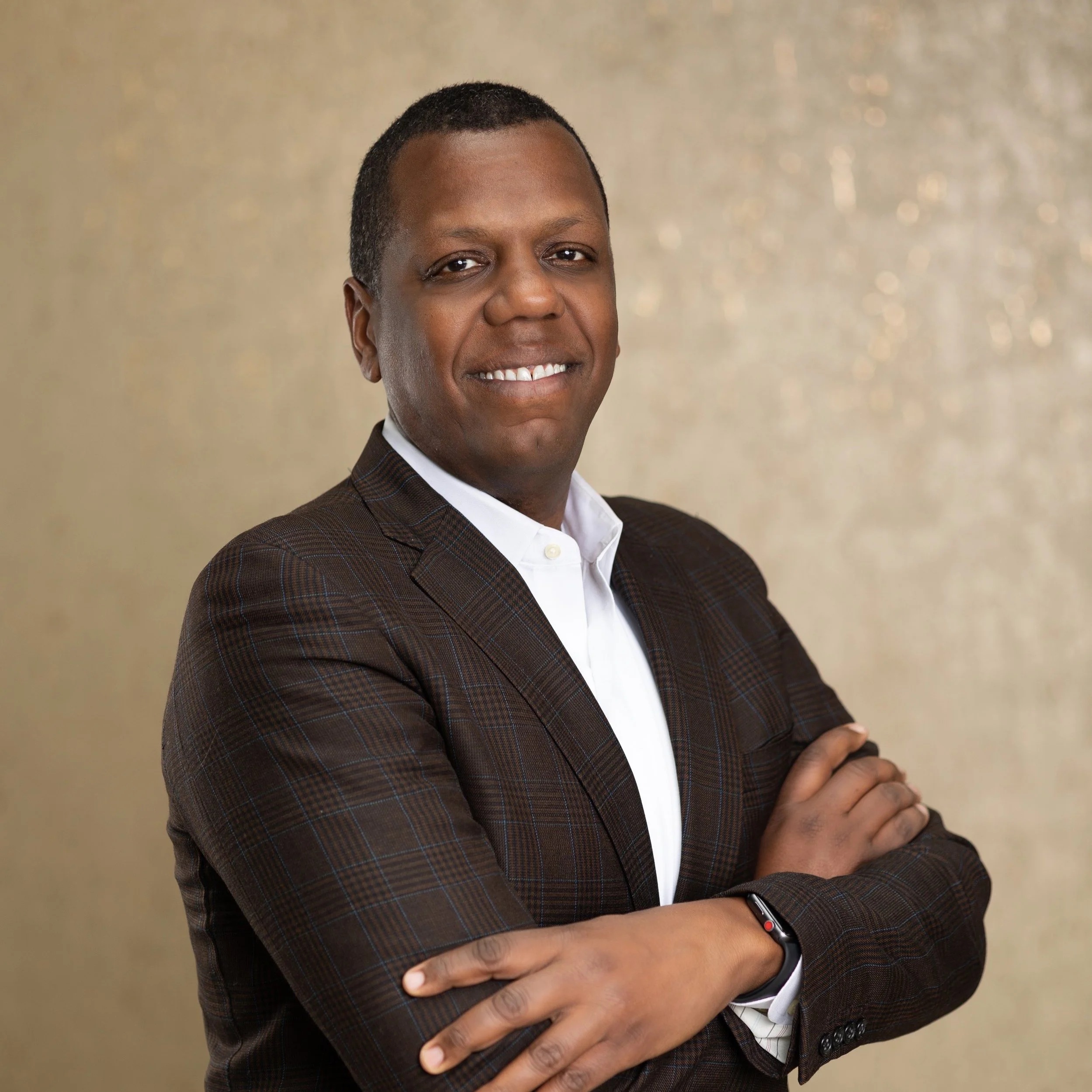
Wole Coaxum knew banking from the inside. A former JPMorgan Chase managing director, he was moved by the protests following Michael Brown’s killing in Ferguson in 2014. MoCaFi followed in 2015, with its launch also commonly dated to 2016. The ambition was to give financially excluded communities better access to money and, eventually, wealth.
But a useful account does not automatically acquire a customer. As Inc. reported, Coaxum encountered the difference between building a banking service and persuading people to use it. For someone whose financial life already involves too many demands, another app is another demand. A promise of future improvement competes badly with a bill due today.
In 2020, Bedford Stuyvesant Restoration Corporation approached MoCaFi about distributing payments to hard-to-reach residents. The request changed the company’s route to its audience. Public and community partners had money to deliver; residents had an immediate reason to engage. Banking could follow a useful transaction. That sequence was more persuasive than a lecture about financial responsibility.
A payment system with a human front door
The company called its approach Financial Services as Infrastructure. Governments and philanthropic organizations could use its platform for guaranteed income, emergency rental assistance and other cash programs. MoCaFi sat between the institution authorizing money and the person receiving it, handling the practical business of getting funds into usable financial products.
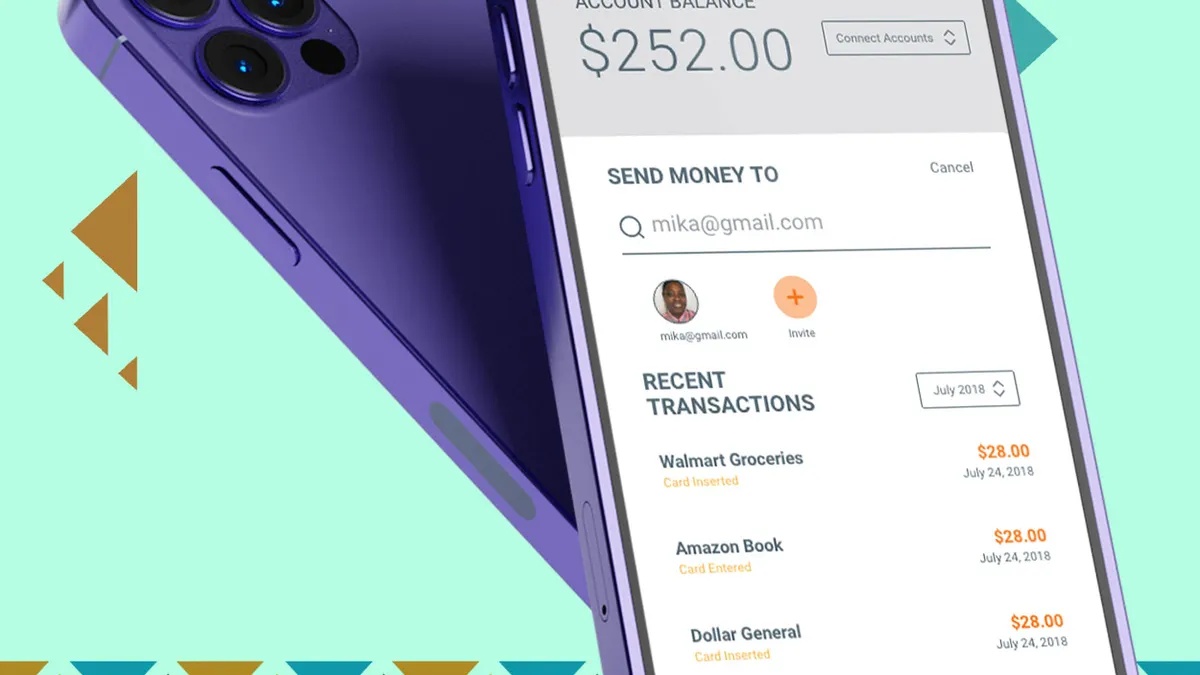
Los Angeles’s Angeleno Connect launch in September 2021 made the idea concrete: a debit card and mobile app for assistance, financial information and access to city services. Wells Fargo offered withdrawals without its ATM fees. The associated website connected residents with more than 140 online city services. Banking shared an entrance with park reservations and pet adoption. Bureaucracy briefly acquired some manners.
MoCaFi was a fintech, with a bank behind the account. Sunrise Banks issued its deposit accounts and debit Mastercards. The account agreement described a checkless account supporting deposits, withdrawals, payments and transfers. Eligibility and identity requirements still applied. Putting a welcoming interface on financial services does not abolish the rules underneath.
- 01InstitutionAuthorizes assistance
- 02MoCaFiManages delivery
- 03ResidentReceives usable funds
Then: access to banking and financial education.
On Our Block added a neighborhood presence through local partners and financial programming. In 2024, MoCaFi and Wellthi announced an app collaboration bringing education and advisory access into that work. This was a distinctive combination: institutional payments, consumer financial tools and community engagement. A conventional banking app might compete for downloads; MoCaFi also competed for the right to deliver a city’s assistance.
Free at the counter, paid for upstream
Somebody had to pay for the machinery. MoCaFi’s institutional model gave governments and other organizations a reason to fund services for residents who were poor prospects for expensive consumer accounts. Public procurement makes part of that bargain visible. Los Angeles’s 2022-23 budget allocated $300,000 in one-time Angeleno Connect vendor funding. That was a program allocation, rather than a complete statement of MoCaFi’s costs or earnings.
Investors supplied another kind of money. A $23.5 million Series B in 2023, led by Commerce Ventures, included BNY Mellon, Wells Fargo and Truist Ventures. The round financed the ambition to expand services and institutional reach. It was capital raised by the business, a different ledger from aid passing through its platform.
Company-reported through 2024
Announced in 2023
Payment volume measures delivery. Investment finances the provider.
The 2024 impact report also recorded more than 100,000 cumulative accounts opened and $36 million distributed that year. Those figures show reach. They do not establish active usage, profit or a lasting increase in household wealth. Keeping the measures separate gives the achievement its proper size without requiring it to prove everything.
The federal prize that slipped away
In June 2023, BNY Mellon formed a digital-disbursement alliance with MoCaFi. In November 2024, BNY announced its selection for Direct Express, naming MoCaFi among the providers. The federal-benefits card program served approximately 3.4 million Americans. The announced opportunity was much larger than a municipal pilot; those recipients were not automatically MoCaFi customers.
By September 2025, Fifth Third had been selected instead. BNY attributed the discontinued agreement to readiness challenges involving a provider. Banking Dive later identified MoCaFi readiness issues. Coaxum’s own liquidation announcement cited the loss of a major program central to revenue, without naming it. The chronology supports a serious business reversal; the founder’s account leaves the program unnamed.
“This outcome is not the one we worked toward.”
Wole Coaxum · March 2026
What survives the company
Coaxum said the company explored options before concluding it could not continue, then focused on transitioning customers and treating employees with care. This profile describes historical offerings, rather than a current invitation to enroll. A payment provider’s ending matters especially when its users have little room for interruption.
The transferable idea is practical: start with a transaction people already need, work through institutions and trusted local partners, and make the next financial step accessible. The conditions matter just as much. The institution must keep funding the program; the provider must be ready to deliver; the business must withstand a lost contract. MoCaFi made public money usable. Its ending asks the next builder to make that access last.
Follow the money trail
Company channels, reporting and a conversation about the wealth gap.