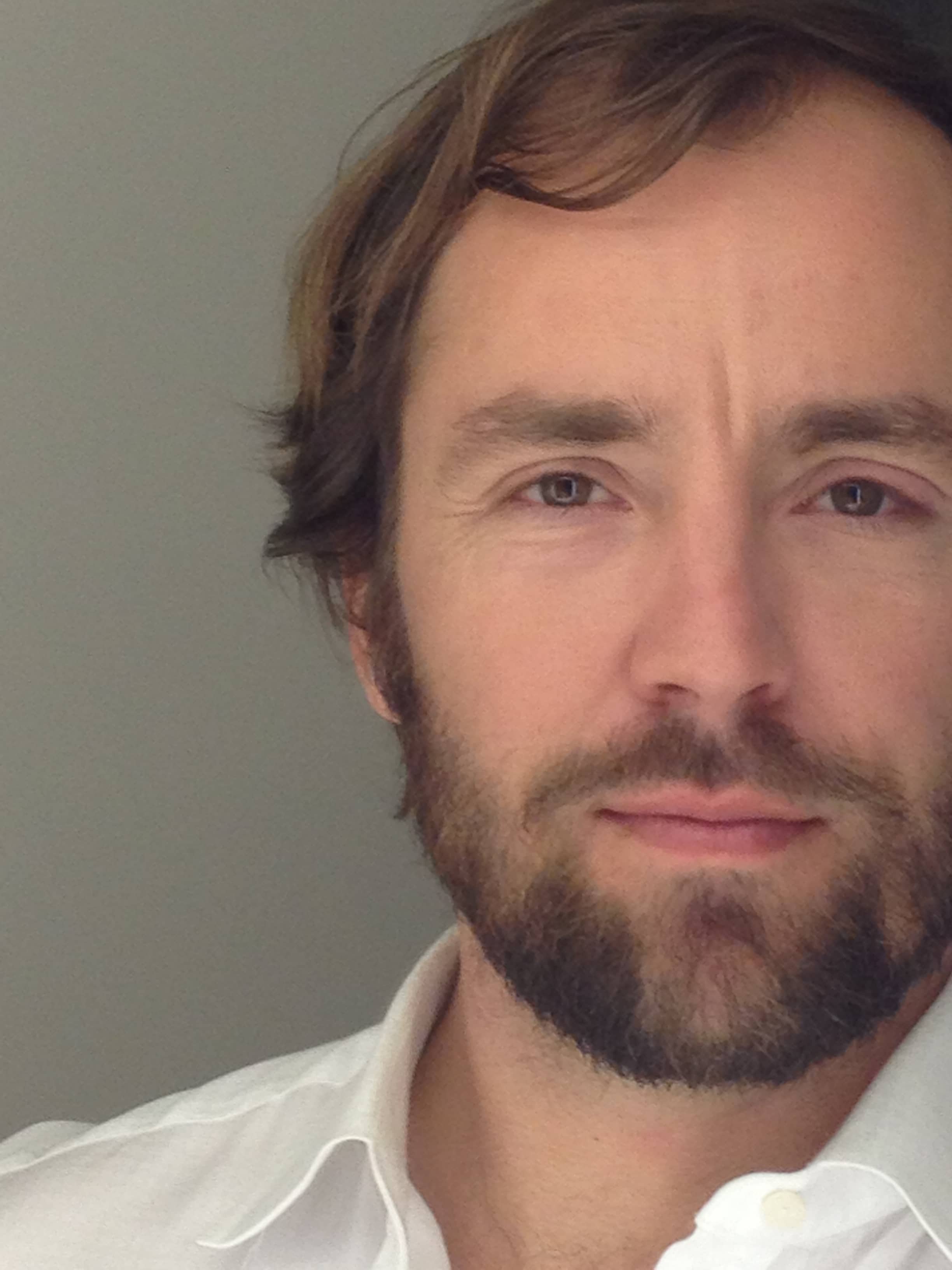
Mebane T. Faber studied Engineering Science and Biology at the University of Virginia. Then he went into finance. It worked out fine.
FAST FACTS
Mebane T. Faber
- Grew up in Colorado and North Carolina
- Double major: Engineering Science + Biology, UVA
- Early career: biotech equity analyst, Washington D.C.
- Co-founded Cambria Investment Management, 2006
- CMT and CAIA certified
- 100% personally invested in Cambria funds
- Ed Thorp was his key investing mentor
Investor. Author. Student of the markets.
Here is a number worth sitting with: 191,000. That is how many times Meb Faber's 2007 paper "A Quantitative Approach to Tactical Asset Allocation" has been downloaded from SSRN. It is, by most accounts, the most downloaded finance paper in the platform's history. He wrote it before Cambria had become what it is today. He put it online for free. He has never stopped.
That instinct - to share, to publish, to put the work out there without a paywall - runs through everything Faber does. Six books on investing, from The Ivy Portfolio to Global Asset Allocation. All six available as free PDFs on his website. You could spend three months reading Meb Faber's published work and not spend a dollar. That is by design.
Faber co-founded Cambria Investment Management in 2006, initially running separate accounts and hedge funds. Today Cambria oversees approximately $20 billion in assets across a growing suite of quantitative ETFs and private funds - all built on the same evidence-based, rules-driven principles that powered that first viral paper. The philosophy hasn't changed. The scale has.
Before finance, Faber was on a different track entirely. He studied Engineering Science and Biology at the University of Virginia - not economics, not finance. He took the detour into biotech equity research in Washington D.C., then moved west through San Francisco and Lake Tahoe before eventually landing in Manhattan Beach, California, where Cambria is headquartered. The winding path gave him something useful: a scientist's instinct for rigor in a field often ruled by narrative and noise.
Ask Faber about his early days as an investor and he won't dress it up: "I was overconfident. I would take as much risk as you could give me." The early losses were a corrective. He calls them a "huge amount of humble pie" - the kind of seasoning most investors wish they could skip but probably need. What emerged from that is a practitioner who trusts process over instinct, systems over feelings, and data over stories.
The Cambria model is deliberately contrarian in structure. Where most asset managers compete on performance claims, Cambria competes on transparency and intellectual honesty. Faber publishes the research. He hosts the guests who challenge him. He runs the numbers, and when the numbers say something uncomfortable - that U.S. equities are expensive, that international value deserves more attention, that the Magnificent Seven may not be magnificent forever - he says so publicly, name attached.
His father grew up on a farm. Despite financial constraints that would register as hardship by any standard measure, Faber's father expressed genuine happiness. That story has stayed with him. "We do not live to eat and make money. We eat and make money to be able to live." It informs the way he talks about wealth - not as a destination but as a condition that enables something else. Purpose. Freedom. The ability to think clearly without urgency.
In 2016, Faber launched the podcast that would eventually become one of the most-listened-to investing shows in the world. The Meb Faber Show now has more than 615 episodes and has featured an extraordinary cast: Ed Thorp, Richard Thaler, Jeremy Grantham, Joel Greenblatt, Howard Marks, Aswath Damodaran, Cliff Asness. The Wall Street Journal called it a top investing podcast. The format is deceptively simple: smart questions, long answers, no filler.
The Idea Farm newsletter reaches over 100,000 subscribers weekly with curated investment research - the kind of institutional-grade material that usually requires a Bloomberg terminal and a six-figure salary to access. Faber rebuilt the platform recently and kept the core free. The premium tier exists, but the commitment to open access is structural, not accidental.
As of early 2026, Cambria is expanding its ETF roster, Faber is teasing a major new project launching July 4th, and the podcast continues at pace. Whatever comes next will almost certainly be published, shared, and downloaded by a few hundred thousand people who trust the work because the track record is in plain sight.