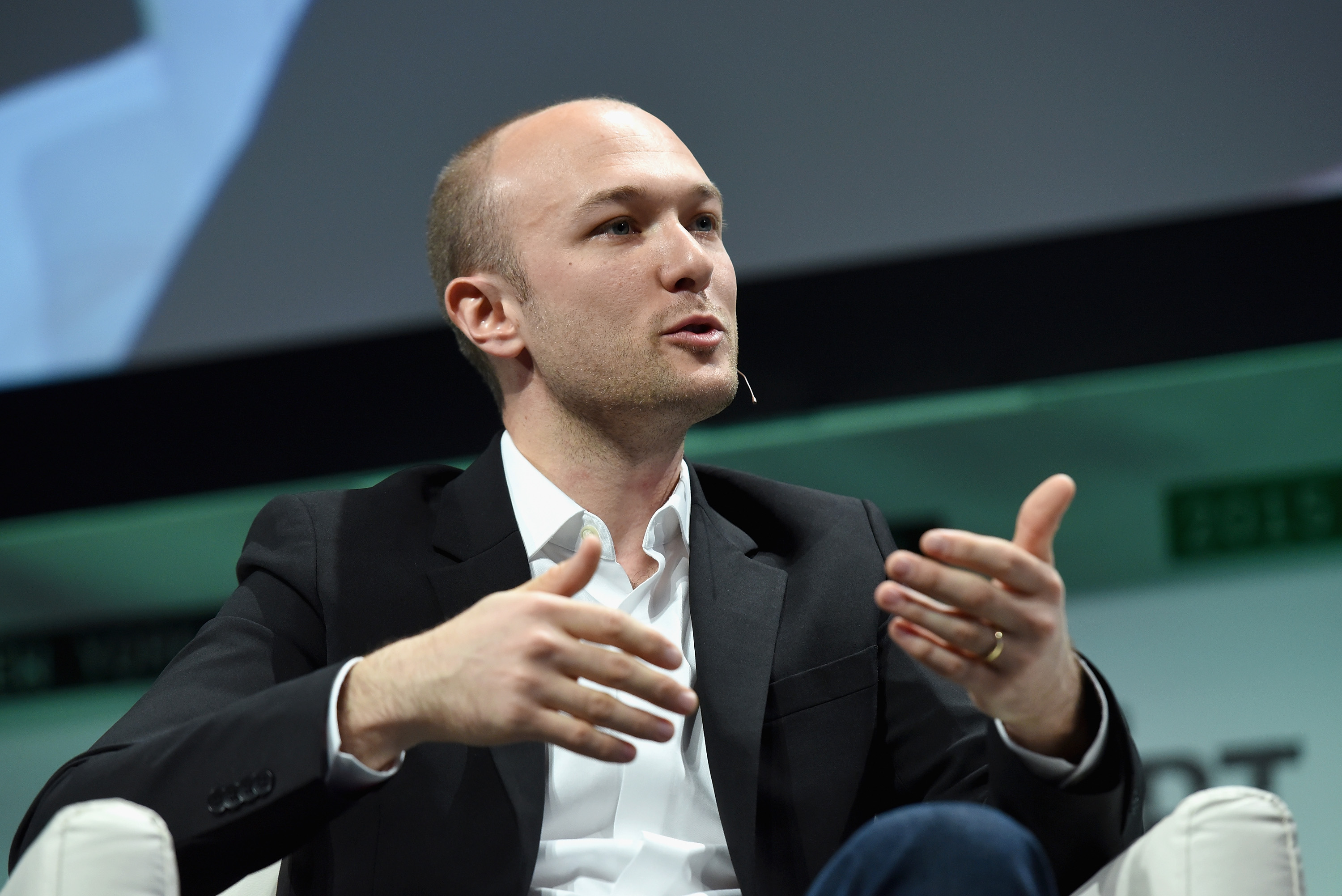
Logan Green now sits on the other side of the table. After building Lyft from a college carpooling scheme into one of the world's largest ride-hailing companies, he's a venture partner at Autotech Ventures, writing checks instead of cashing them. In August 2025, he completed his exit from Lyft's board, closing a 15-year chapter that began with four Toyota Priuses and 2,000 UC Santa Barbara students willing to share rides via RFID cards.
The transition wasn't rushed. Green stepped down as CEO in April 2023, became board chair for two years, then walked away entirely to focus on what comes after ride-hailing. He's betting on autonomous vehicles, sustainable mobility, and founders who see transportation as more than moving bodies from point A to point B. It's the kind of long game you'd expect from someone who became the youngest director of the Santa Barbara Metropolitan Transit District at 22 - before he could legally rent a car.
Green doesn't fit the Silicon Valley founder archetype. He's soft-spoken, rarely does interviews, and married Eva Gonda Green, who trained the Gold Medal-winning Olympic equestrian team in 2008. They have twin sons. He serves on eBay's board. His Twitter bio is sparse. The pink mustache that became Lyft's icon was his idea, but he never treated it like a marketing stunt - he wanted drivers to signal "I'm part of this" to strangers on the street.
The Zimbabwe Moment
In 2006, fresh out of UC Santa Barbara with a business economics degree, Green took a trip to Zimbabwe. He watched locals flag down minivan taxis using a crowdsourced network - no apps, no venture capital, just people moving efficiently through a city with "close to zero resources," as he later described it. The system worked better than anything in Santa Barbara, where Green had spent three years taking weekend Greyhound buses to Los Angeles to see his girlfriend Eva.
Back home, he built Zimride - named explicitly to honor Zimbabwe - using Facebook's API to connect carpoolers. The first deployment at Cornell University signed up 20% of students in six months. By the time he and co-founder John Zimmer launched Lyft in 2012, Green had already proven people would share rides with strangers if you made it easy enough. The insight wasn't technological. It was behavioral. And it came from watching a country with nothing solve a problem America couldn't.
Growing up in L.A., I spent hours every day stuck in traffic, seeing one person in every car. It impressed me that a country like Zimbabwe had a better transportation network than an affluent city like Santa Barbara.
- Logan Green
The 15-Year Arc
The Prototype Years
At UC Santa Barbara, Green wasn't just studying business. He was the youngest director of the Santa Barbara Metropolitan Transit District. He created The Green Initiative Fund. He started a car-sharing program with four Toyota Priuses that 2,000+ students used via RFID technology. This was before Zipcar was ubiquitous, before Uber existed, before "mobility" became a venture capital category.
Green left his own car at home when he started college - an experiment in living without personal vehicle ownership. It meant Greyhound buses every weekend for three years to see Eva in LA. Most people would've just bought a car. Green built a company instead. The discomfort wasn't a bug. It was the entire point. Transportation was personal before it became professional.
What Makes Him Different
Things You Don't Know About Logan Green
- His wife Eva trained the Gold Medal-winning horse and rider at the 2008 Summer Olympics. She runs ed+thinking and works at NewSchools Venture Fund.
- They have twin sons and got married in September 2011.
- Eva is the daughter of Louis Gonda, a prominent businessman.
- The name "Zimride" directly honors Zimbabwe - it's not a portmanteau or a made-up word. It's a tribute.
- Green's campus car-sharing program used RFID technology to unlock vehicles, predating smartphone-based unlocking by years.
- He's described as "gentle and soft-spoken" - not the typical aggressive Silicon Valley CEO stereotype.
- His Twitter handle @logangreen has 17.6K followers, but he posts sparingly.
- Lyft was valued at $24 billion at IPO but faced brutal competition with Uber. Green's exit timing suggests he knew the ride-hailing battle was won, but the war was over.
- He sold 11,411 shares of Lyft in February 2025 for ~$152,223 - a relatively modest cash-out compared to founder sales at other companies.
The Venture Chapter
At Autotech Ventures, Green focuses on identifying investment opportunities, mentoring founders, and providing strategic guidance to portfolio companies. He's betting on autonomous vehicles, sustainable mobility, and infrastructure that makes car ownership obsolete. The same mission, different angle.
The timing makes sense. Ride-hailing is mature. The next wave is autonomy, electrification, and rethinking urban design around shared infrastructure. Green already built the platform. Now he's funding the people building what comes next. He's 41 years old - the same age Jeff Bezos was when Amazon went public. There's a lot of game left.
When people want transportation, they want it now. The Millennial Generation - the biggest American generation in history - is reversing the migration into rural areas and moving back to city centers.
- Logan Green on the future of mobility
The Bigger Picture
Green's story isn't just about building Lyft. It's about recognizing that transportation shapes everything - where we live, how we work, who we see, what we can afford. He saw a broken system in Los Angeles traffic, a working solution in Zimbabwe's informal networks, and spent 15 years building the connective tissue between them.
Now he's helping other founders do the same. The problems are bigger - climate, congestion, equity - but the approach is familiar. Watch what works. Build what's missing. Don't wait for permission. Green never did. That's why Zimride had 2,000 users sharing four cars before anyone told him it was a good idea. That's why Lyft launched in 2012 when taxis still controlled cities. That's why he walked away from a $750 million fortune to bet on what's next.
The Zimbabwe minivan network is still running. So is Lyft. Green's not done yet. He just changed vehicles.