Company Profile ◆ Mobile Gaming & Live Entertainment
The Startup That Put a Live TV Game Show Inside Your Bingo App
Most bingo apps are you, alone, tapping a screen. Live Play Mobile added a person on the other end - a real host, live, 24/7 - and turned a card game into appointment television you carry in your pocket.
Open almost any mobile bingo game and you meet the same quiet loop. A grid of numbers, a tap, a pause, a small burst of confetti, repeat. It is a machine, and you are alone with it. Live Play Mobile looked at that loop and asked a blunt question: what if there were an actual person on the other end? Not a chatbot. Not a pre-recorded clip. A living host, on camera, calling the numbers out loud - at noon and at 3am - to whoever happens to be playing.
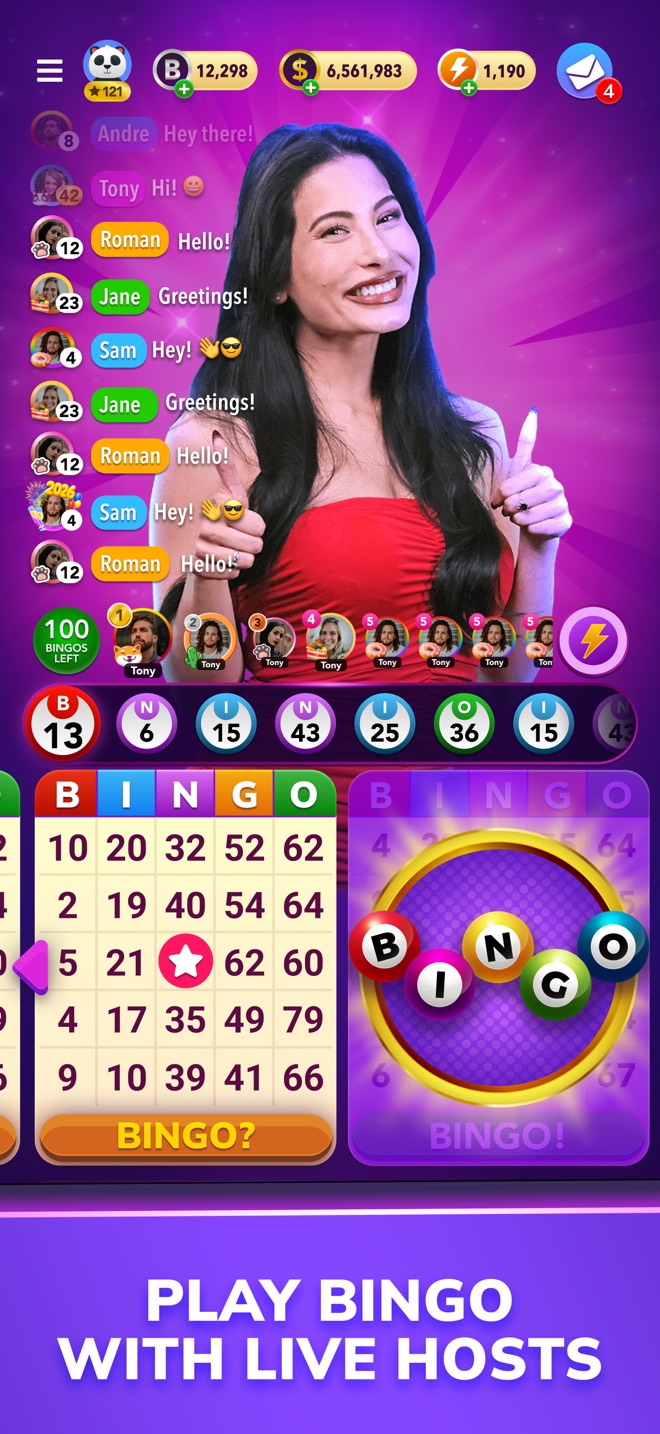
That is the whole idea behind Live Play Bingo, and it is stranger and more operationally demanding than it first sounds. The company, founded in San Francisco in 2019, did not build a better bingo app. It built a small television network and hid a bingo game inside it. Hosts broadcast live from studios in Los Angeles and London. Players tap along on their phones, chat back in real time, and hear their usernames read aloud when they win. The game, in a sense, is the least interesting part of the game.
01 / What it actually doesA card game with a pulse
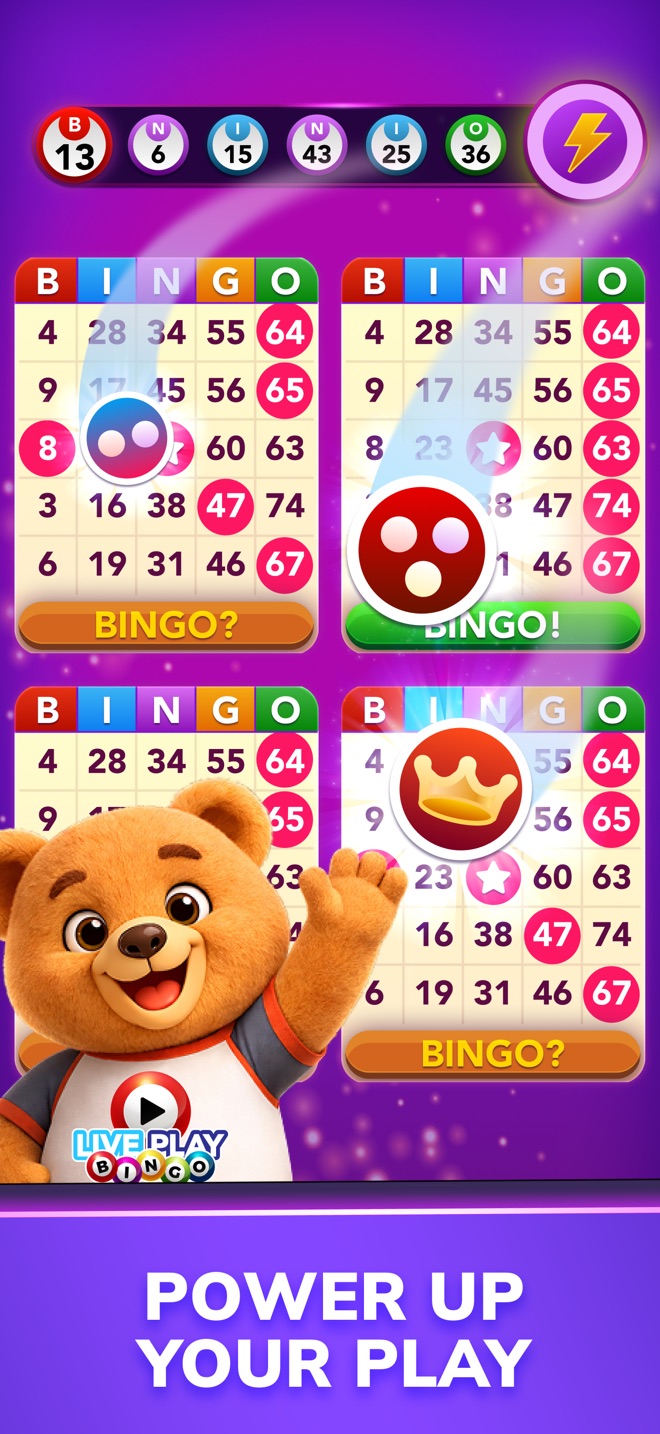
Live Play Bingo is free to download on iOS and Android. Once you are in, the difference from a standard bingo app is immediate: a real person fills the top of the screen, talking, reacting, calling the next ball. You can run up to four cards at once, fire off power-ups when a game gets tense, and send gifts to hosts and other players. A live chat scrolls beside the action, and the host works it like a broadcaster works a phone-in - reading names, teasing regulars, keeping the room warm.
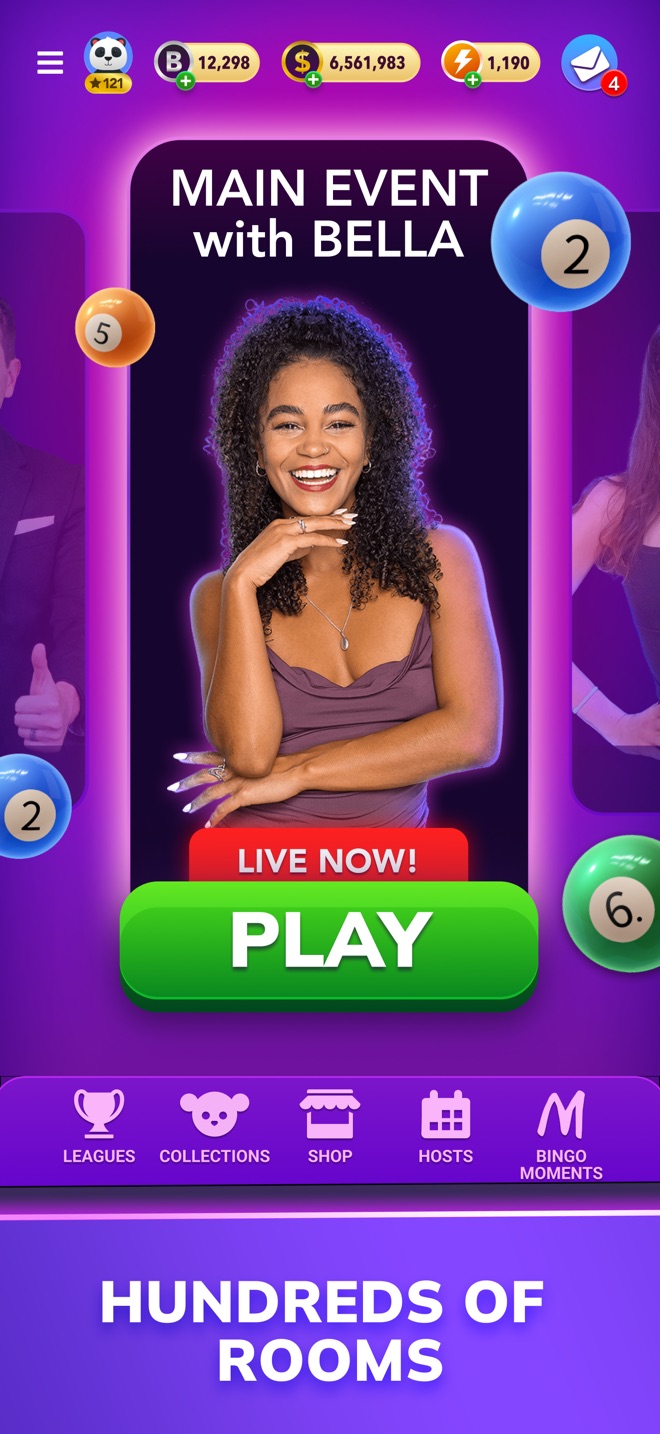
Because the shows never stop, the app behaves less like a game you launch and more like a channel you drop into. There is always a room live, always a host mid-sentence. That is the detail that changes the psychology. You are not resuming a save file. You are joining something already in progress, with other people, right now.
"We are building a fresh new category by combining the best of social, live-streaming and linear TV experiences."Stuart Lewis-Smith, CEO & Founder
02 / Who it is forThe person who wants a room, not a leaderboard
The audience is mainstream and casual - adults who play social casino and bingo titles to unwind, not high-rollers. What separates Live Play Bingo's users from the genre norm is how long they stay. Players average about 43 minutes of live viewing a day, roughly 50% above the category average, and daily active users grew by around 400% across 2021. On the App Store the game holds a 4.8-star rating from roughly 53,000 ratings. Those are television numbers dressed up as game metrics.
"Social" is an overused word in mobile games, usually meaning a leaderboard and a chat box nobody reads. Here the social layer is the product. The hosts remember regulars. The chat is live. Winning is a public event, announced by a human voice. For a lot of players - particularly those who play at odd hours - that turns out to be the point.
03 / The problem it solvesBingo is lonely; loneliness is the competitor
The real competition is not another bingo app. It is the silence of playing alone. Traditional social casino games optimize for a tight solo loop - spin, reward, spin again - and then bolt on light social features. Live Play Mobile inverted that. It started with the human interaction and built the game economy around it. The company frames its mission plainly: to enrich players' lives through real human interaction. In practice that means the on-air host is not marketing for the game; the host is the retention mechanism.
04 / How it is differentThe Peloton comparison, earned
Observers landed on a useful shorthand: Live Play Mobile is "the Peloton of casual mobile games." The comparison holds up. Peloton took a solitary activity - riding a stationary bike - and made it feel like a live class with an instructor who sees you. Live Play Bingo does the same trick with a card game. Swap the spin studio for a broadcast studio, the instructor for a host, and the cadence of a class for a game that runs around the clock.
Competitors like Bingo Blitz, Bingo Showdown and Bingo Bash are polished, well-funded, and almost entirely single-player. None of them puts a live human on screen calling your numbers at 3am. That is the moat, and it is a strange one: it is not code that is hard to copy, it is an operation. Studios, crews, schedules, and a roster of on-air talent who can hold a room. Most game studios treat live streaming as a marketing channel. Live Play Mobile made it the product itself.
"We believe in their vision of creating a new hybrid gaming category combining live entertainment with games that everyone loves to play."Lior Shiff, Co-founder & CEO, Tripledot Studios
05 / The people and the modelGames talent, TV talent, and a payroll of hosts
The company was co-founded by Stuart Lewis-Smith, a two-decade veteran of online and mobile gaming who previously ran Idle Games (acquired by Sony) and was a senior vice president at GSN Games, alongside Geremie Camara, a broadcasting and entertainment executive with time at Sony Pictures and Paramount. That pairing - a games operator and a television producer - is the whole company in miniature. The team of roughly 50 to 67 spans San Francisco, the Los Angeles and London studios, and a development group in Kiev.
The hosts are a genuine payroll, and some are recognizable: Brian Christopher, one of the biggest slots personalities on YouTube, and Kelly Miyahara, a former member of the Jeopardy! Clue Crew, among the 30-plus on air. The business model is classic free-to-play - virtual currency, power-ups and gifts sold as in-app purchases, plus advertising - but with an unusual twist. The live broadcast is simultaneously the thing that keeps players watching and the surface where they spend. High session time is not a vanity metric here; it is the revenue engine.
- TVLive studios, LA + London30+ hosts broadcast around the clock - the content layer and the retention engine.
- GameFree-to-play bingoUp to four cards, power-ups, gifts and a live chat - the interaction and monetization layer.
- TechDevelopment in KievEngineering behind the streaming, real-time chat and in-app economy.
06 / Where it fits in the marketSelling a category before it had a name
Live-hosted gaming did not exist as a shelf you could point to. Live Play Mobile had to describe the format before it could sell it - a hybrid of social games, live streaming, and linear TV. The market answered in 2021: the company was named Most Innovative Social Game of the Year at the EKG Awards, and its retention and monetization figures drew notice from the industry's larger players.
In March 2022, that attention turned into a deal. Tripledot Studios - fresh off a $116 million Series B at a reported $1.4 billion valuation - acquired Live Play Mobile for an undisclosed sum, with the leadership team staying on. What Tripledot bought was not a piece of code; it was a working live-broadcast operation and proof that hosted gaming retains. Tripledot's stated plan was to pour its user-acquisition and data muscle into scaling a product that had already proven the harder, weirder half of the equation: that people will show up, every day, for a game that talks back.
The catch is the same as the moat. A live broadcast is expensive and never sleeps. It works when the format keeps players watching long enough to justify the studios, the crews and the host payroll - and where that human presence is the reason people stay rather than a costly garnish. Live Play Mobile's bet was that, for bingo at least, it is the reason. The numbers, and the acquisition, suggest the bet paid off.