A loan application asks a peculiar question: can yesterday predict tomorrow? LendingPoint was founded on the possibility that the usual answer missed too much. A credit score could describe someone’s record without capturing their direction. The company’s opportunity lay in that gap. Its subsequent history reveals another gap, between deciding who can repay and running the machinery that lets repayment happen.
- Personal installment loans, assessed with data beyond a credit score.
- $10 billion originated by Q2 2026, according to the company.
- A merchant-finance expansion followed by retreat and a renewed consumer focus.
A wine cellar, then a credit model
Tom Burnside had retired when his future partners brought him a consumer-lending idea. In a 2018 podcast, he recalled Juan Tavares, Victor Pacheco and Franck Fatras arriving in his wine cellar to talk. The setting was agreeable; the problem was awkward. How do you lend to people whom conventional credit measures make easy to dismiss?
The founders brought experience from payments and small-business finance. LendingPoint formed in 2014 and began funding loans in 2015. Its early territory was near-prime credit: borrowers between the comfortable categories around which much lending had been organized. The proposition was that a person’s financial movement deserved attention alongside their financial history.
“It’s all about asking the right questions.”
Franck Fatras, speaking to deBanked, 2017
Today, the company describes proprietary underwriting that evaluates hundreds of data points beyond FICO. Its customers use unsecured loans for consolidation, repairs, medical bills and other personal expenses. This expertise concerns judging credit risk and fraud, then administering the resulting loans. It is consequential work with a friendly application screen attached.
The cash has a price tag
The current advertised product runs from $1,000 to $36,500, repaid over 24 to 72 months. APRs range from 7.99% to 35.99%, subject to approval and individual circumstances. Those endpoints describe a broad menu. They tell a particular applicant little about the offer they will actually receive.
Initial rate checking uses a soft credit inquiry. Continuing with a selected offer requires a hard inquiry and may require supporting documents. Funding can follow final approval as soon as the next business day; verification and bank processing can add time. The separation matters when a repair bill is already on the kitchen table.
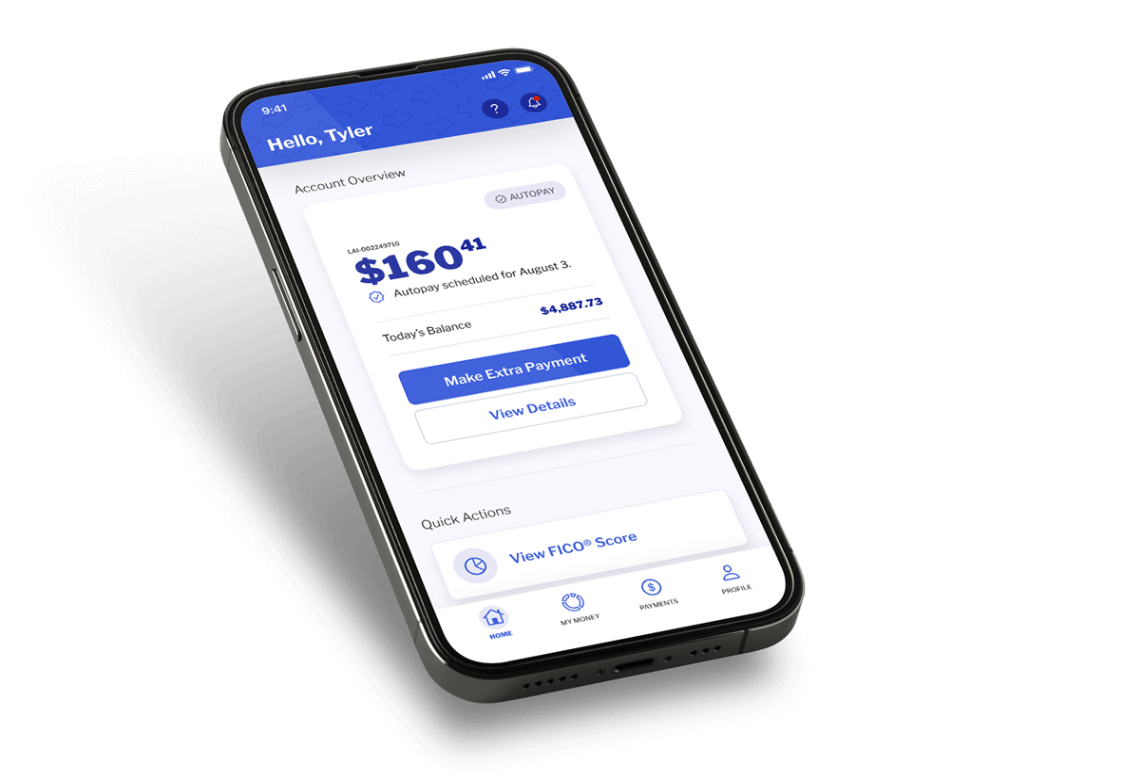
Origination fees can reach 10%, depending on the state. In one disclosed option, deducting that fee from a $10,000 loan leaves $9,000 to spend. A borrower needing the full ten thousand has an immediate arithmetic problem. Fixed installments make the calendar easier to understand; they do not make the financing inexpensive.
For the company, origination and servicing sit inside a financing system involving banks and capital-market investors. Interest and fees support the economics; lending capital must also be available. The $125 million preferred-equity investment announced by Warburg Pincus in January 2021 financed expansion. Cumulative originations measure lending activity, rather than company revenue or profit.
Buying a doorway to the checkout
In January 2018, LendingPoint acquired LoanHero, adding merchant-facing technology. Instead of waiting for someone to search for a personal loan, it could meet a financing need where a purchase happened. Medical practices and home-service providers supplied an obvious context: a customer wanted the work, but needed a way to pay.
Burnside explained that buying the platform offered a quicker route to market. LoanHero supplied the merchant interface while LendingPoint’s systems handled credit decisions. In 2020, an eBay collaboration extended the idea into seller financing. LendingPoint was moving its credit expertise into other companies’ customer relationships.
That chapter needs a date stamp. KBRA says LendingPoint exited point-of-need lending at the end of 2023 to concentrate on direct consumer loans. eBay’s current Seller Capital page names other providers. A company description that still presents all those earlier programs as today’s product menu sends readers to the wrong counter.
The trouble arrived after approval
In its May 2025 review, KBRA traced higher delinquencies and charge-offs to an August 2023 servicing-platform transfer. It also reported that Warburg Pincus injected funds and obtained majority control the following month. The operating system for existing loans had become part of the credit story.
KBRA’s May 2026 review downgraded six bond classes and affirmed four in the transactions reviewed. Those findings concern particular securitizations. They show why an assessment of a lender needs more than an origination counter.

The company announced fresh capital financing in November 2025, identifying technology, servicing and distribution among its priorities. Mark Freeman is now CEO, and the current leadership page lists Roy Russo as CTO. The practical lesson for operators is straightforward: test payment processing and account transfers as carefully as underwriting. A useful prediction still needs dependable execution.
Read the offer, then count the months
LendingPoint competes in online personal lending alongside companies such as Upstart and LendingClub. Upstart also advertises AI-based credit assessment; LendingClub offers fixed-rate personal loans. Looking beyond a score is therefore a starting proposition. The meaningful comparison happens in the actual offer: cash received, APR, repayment period and total dollars owed.
Consolidation can help when the replacement debt costs less and the payments fit. A smaller monthly bill stretched across more months can still cost more overall. Someone needing a cosigner faces another limit: LendingPoint says it offers neither joint nor cosigned loans. Its appeal depends on the individual applicant, location and price.
The September 2026 press kit reports $10 billion originated through the second quarter. That gives the original wine-cellar question considerable scale. For readers, the useful habit to copy is asking a second question after approval: does this particular loan improve the situation that brought me here?